String inverter vs micro-inverter
5 min read
String inverter or micro-inverters: how shade drives the choice, what optimizers do and when SolarFast recommends micro.
All comparisons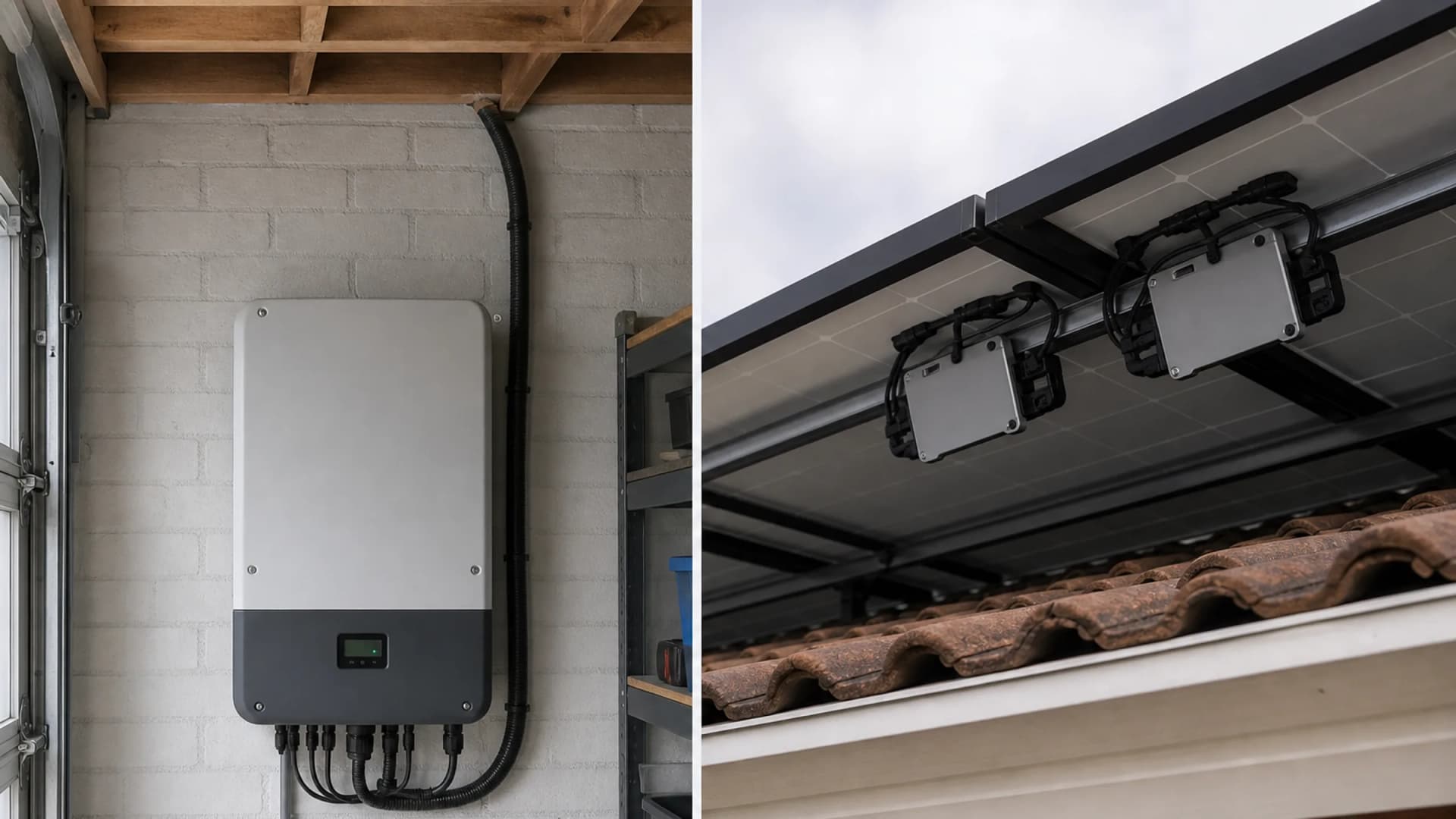
A string inverter connects several panels to one unit; micro-inverters sit behind each panel. On an unshaded roof with one section, string is often cheaper; with shade or multiple roof sections we more often look at micro or optimizers.
Introduction
 Solar panels
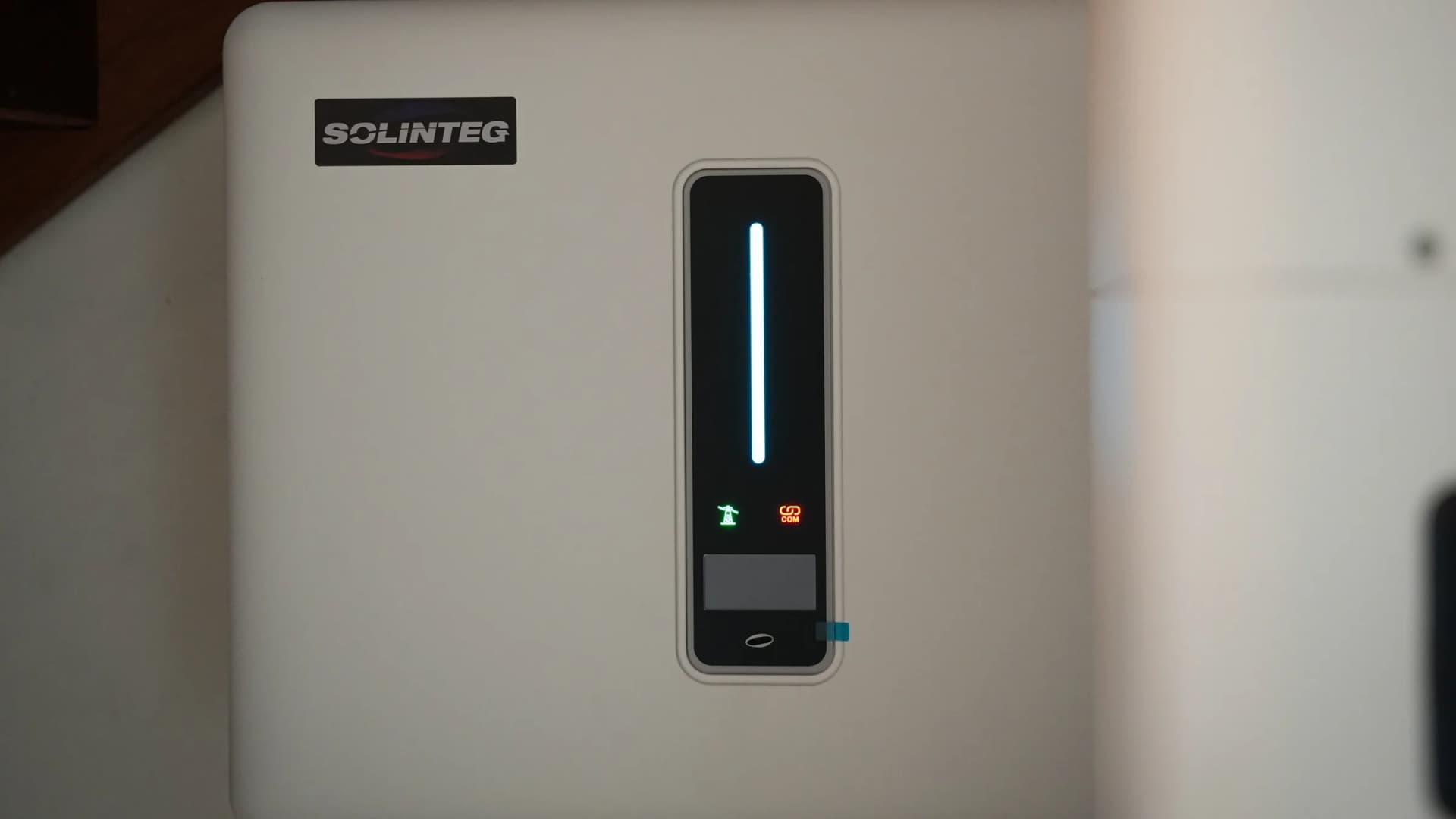
The inverter is the heart of your installation: it converts the direct current from your panels into alternating current for your home. Which type fits depends mostly on your roof. Below we compare string and micro on how they work, shade, cost and lifespan. What an inverter does exactly is covered in our inverter explainer.
The options side by side
String inverter
Pros
- Usually lower cost on large strings
- One unit, straightforward maintenance
- Fine with little shading
Cons
- One underperforming panel can affect the whole string
- Less flexible on complex roofs
- Shorter lifespan than micro-inverters
Micro-inverter
Pros
- Each panel separate, better with shade
- Flexible on multiple roof sections
- Per-panel monitoring
- Longer lifespan and warranty
Cons
- More components on the roof
- Usually higher cost per Wp
How the difference works
With a string inverter your panels are wired in series, like a string of fairy lights: the current runs through all panels in a row to one central unit. Micro-inverters flip that around. Each panel gets its own small inverter on the roof and works independently.
That series wiring is also the string's weak spot. If one panel underperforms, it slows down the whole row. Panels have built-in bypass diodes that temporarily skip a shaded section, but each time that switches off a sizeable part of the system. That is why shade deserves serious attention before you pick an inverter.
Shade: when micro makes the difference
Think of a chimney casting a long winter shadow across three panels, a dormer blocking the morning sun, or the neighbours' tree. With a string inverter such a spot drags down the output of the whole string; with micro-inverters only the shaded panel loses output. Milieu Centraal (Dutch) also lists micro-inverters as the solution when shade is unavoidable.
There is a middle ground: power optimizers. These are small boxes per panel that optimise the balance between current and voltage, while a central inverter still does the conversion. They recover most shade losses and are usually cheaper than micro-inverters. For a roof with one awkward spot, that is often the smartest compromise.
Cost, lifespan and monitoring
Micro-inverters usually cost more per watt-peak, but they also last longer. A central inverter is replaced after about 12 years, while micro-inverters last around 25 years and typically carry a longer warranty. Over the life of your installation, the gap can be smaller than the purchase price suggests.
| String | String + optimizers | Micro | |
|---|---|---|---|
| Purchase | Usually cheapest | In between | Usually priciest per Wp |
| Shade | Whole string affected | Optimised per panel | Independent per panel |
| Inverter lifespan | About 12 years | About 12 years (central unit) | About 25 years |
| Monitoring | Whole system | Per panel | Per panel |
| Multiple roof sections | Limited flexibility | Flexible | Very flexible |
Lifespan indications based on Milieu Centraal on how solar panels work (Dutch). Prices differ per brand and system; your quote shows a current figure.
When does SolarFast recommend micro?
During the roof survey we check where shade falls and when: chimney, dormer, trees, or a taller neighbouring building. If that shade structurally hits part of the panels, or if your panels are split across east and west, we recommend micro-inverters or optimizers. If your roof is shade-free with a single section, a string inverter is usually the sober choice.
Thinking about a home battery, now or later? We factor that in: storage combines most easily with a central (hybrid) inverter. To estimate what your installation delivers, see our page on the yield of solar panels. Not sure what fits your roof? Put your situation to us and we will calculate both options.
Verdict
On an unshaded roof with one section, a string inverter is often fine and the cheapest option. With shade, dormers or panels facing multiple directions, micro-inverters or optimizers quickly earn back their premium. We settle the advice during the roof survey, not upfront from a brochure.
Solar panels are still a smart investment in 2026. A few things matter if you want the most from your own power.
Your energy use
Planning to drive, cook or heat electrically? Factor that into how many panels you install now.
Spread the yield
Spread panels across roof faces so you generate through the day and use more of your own energy.
Your data
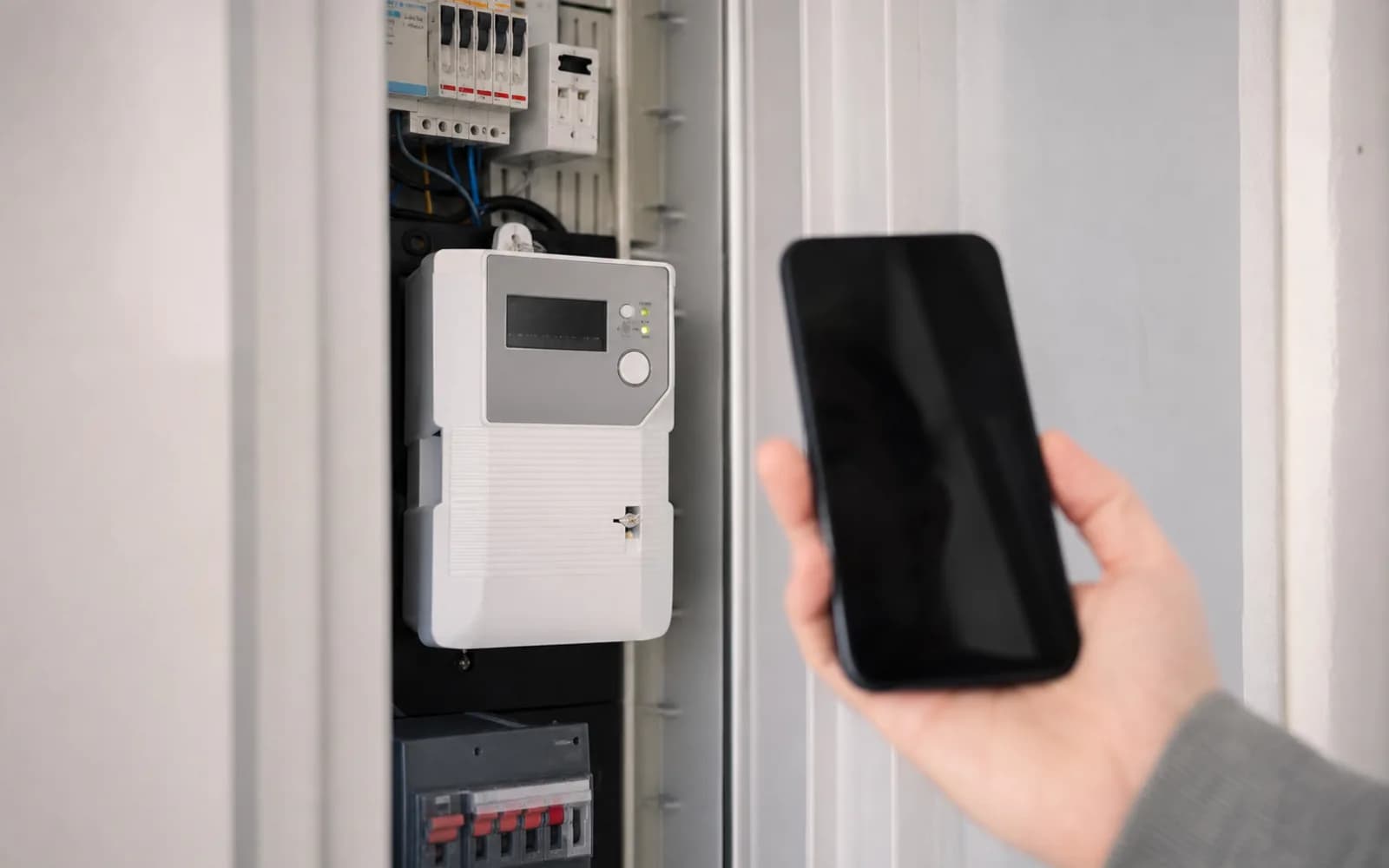
Choose a system with its own 4G connection and data storage in Europe so your information stays secure.
Boost your energy
A smart home battery stores today's power for later, so you use more of your own electricity after sunset.

We install your solar panels in a day
We can often start within three weeks. A day later your panels are on the roof and everything is connected. We leave your home clean and make sure you know exactly how it all works.
- Use more of your own power during the day
- 0% VAT makes the investment even more attractive
Frequently asked questions
On an unshaded roof with a single section, a string inverter is often the most cost-effective choice, with fine output. Keep in mind you will replace it once, after about 12 years.
With shade, dormers or panels on multiple sides. Each panel then works on its own, so a shaded panel does not drag the rest down. They also outlast a central inverter.
A small box per panel that manages current and voltage optimally, while a central inverter does the conversion. Optimizers recover most shade losses and are usually cheaper than micro-inverters.
With micro-inverters and with optimizers, yes: you see per-panel performance in the app. With a bare string inverter you see the system as a whole.
A central inverter lasts about 12 years, so you replace it once during the life of your panels. Micro-inverters last around 25 years and typically carry a longer warranty.

Discover what smart energy can do for you
In about an hour you get insight into your savings, the options for your home and when the investment pays back. Straightforward, honest advice so you know exactly where you stand.
Smart energy at home
- Upgrade your home with our smart battery
- Our solar panels deliver up to 25% more energy
- A heat pump to minimise your energy use
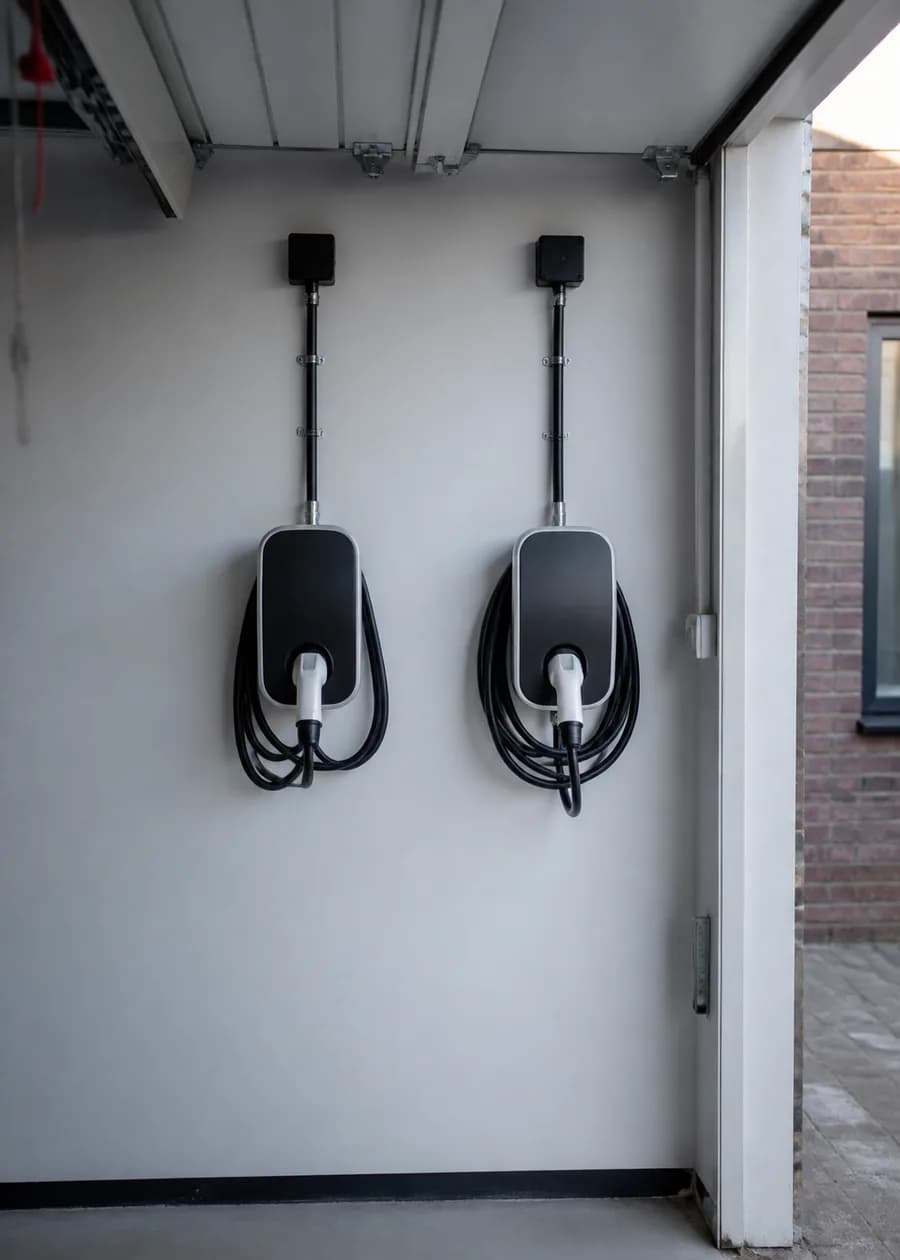
- Charge your electric car easily at home with an EV charger
Booking an advice call is easy
Fill in your details below. Within a day we will contact you to schedule a no-obligation advice call together.
Related articles