Knowledge Base
Sustainable energy is full of terms that blur together: watt-peak, net metering, an inverter or grid steering. We explain them here in plain language, with no sales pitch. That way you understand what's on your quote and can choose something that fits your home and your usage.
We cover the whole chain around your home: generating with panels, storing in a home battery, charging your car and heating with a heat pump. Can't figure it out? Request a no-obligation quote and our engineers will work it through for your situation.
Popular explainers
Common terms and clear explanations from our experts.



Where do you start?
Four situations we hear a lot, with the explainers that go with them.
Your quote is on the table
Watt-peak, inverter capacity, expected yield: a quote is full of terms you only need to understand once. These explainers help you check whether the numbers fit your roof and your usage.
Net metering is ending and you feed in power
With the net-metering scheme on its way out, what your exported power earns is changing. Read how net metering works, which charges suppliers apply and whether a dynamic contract suits you.
You are considering a home battery
A battery only pays off when the numbers add up. Start with costs and payback time, read the honest story with and without a battery, and see what grid steering means for your situation.
From gas boiler to heat pump
Whether a heat pump suits your home mostly comes down to insulation and your heating system. First test whether your house is ready, then choose between hybrid and all-electric.
Guides and explainers
Buying guides, practical explainers and in-depth articles on panels, batteries, charging and heating.

Smart home energy control: increase self-use
Use more of your own power by timing your charger, home battery and household use. When self-steering pays off and how grid control differs.

Solar panel yield per year and per month
Solar panel yield: 0.85 to 0.9 kWh per watt-peak per year. That yield splits by month: high in summer, low in winter.
Insulation for a heat pump: what do you need?
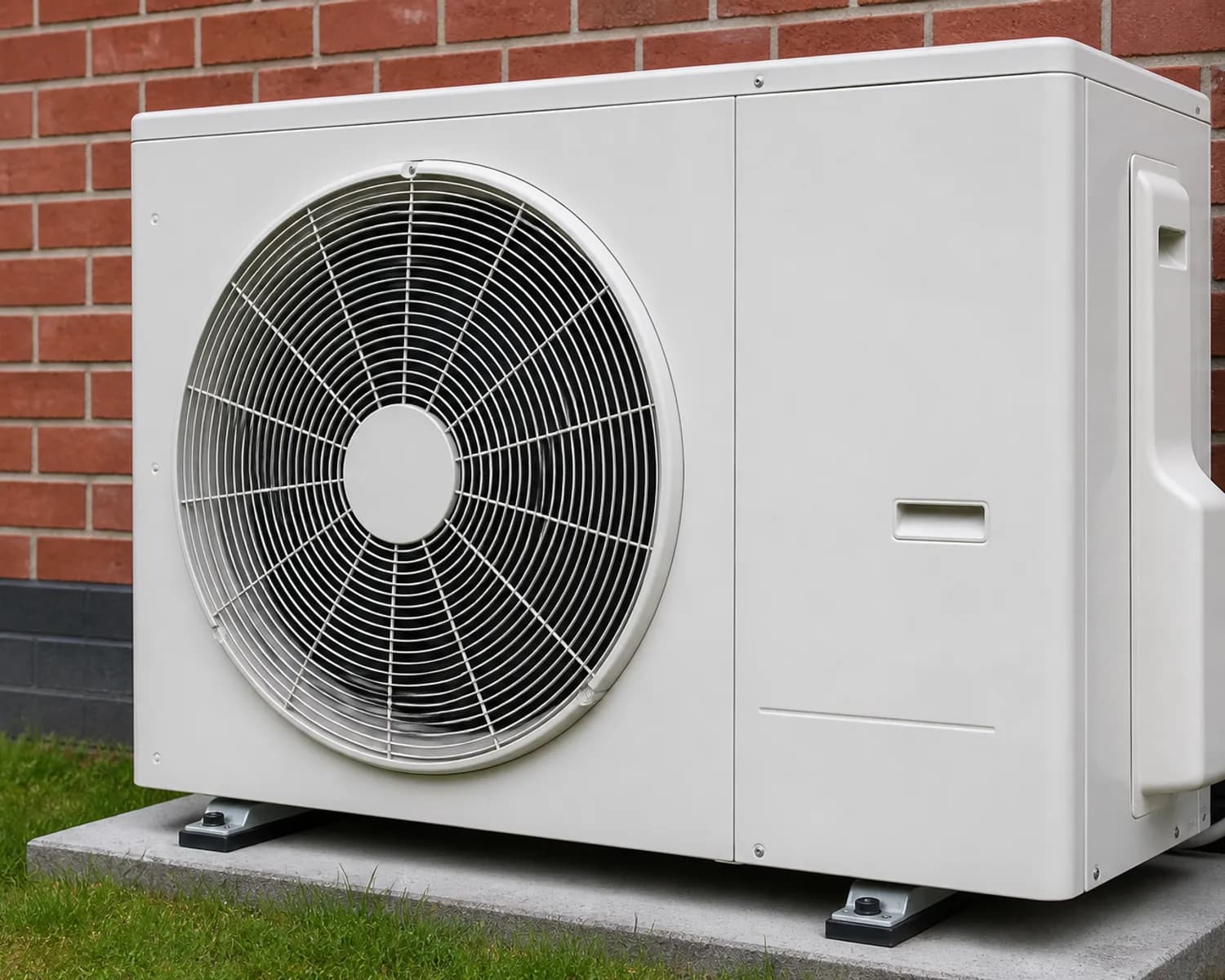
Is your home insulated well enough for a heat pump? Run the 50-degree heating test, see which insulation pays off first and choose hybrid or all-electric.

Solar self-consumption: how to become more energy independent
Become energy independent: more self-consumption by day, a home battery for the evening, and smart timing.
Feed-in payment: what you get for exported solar power
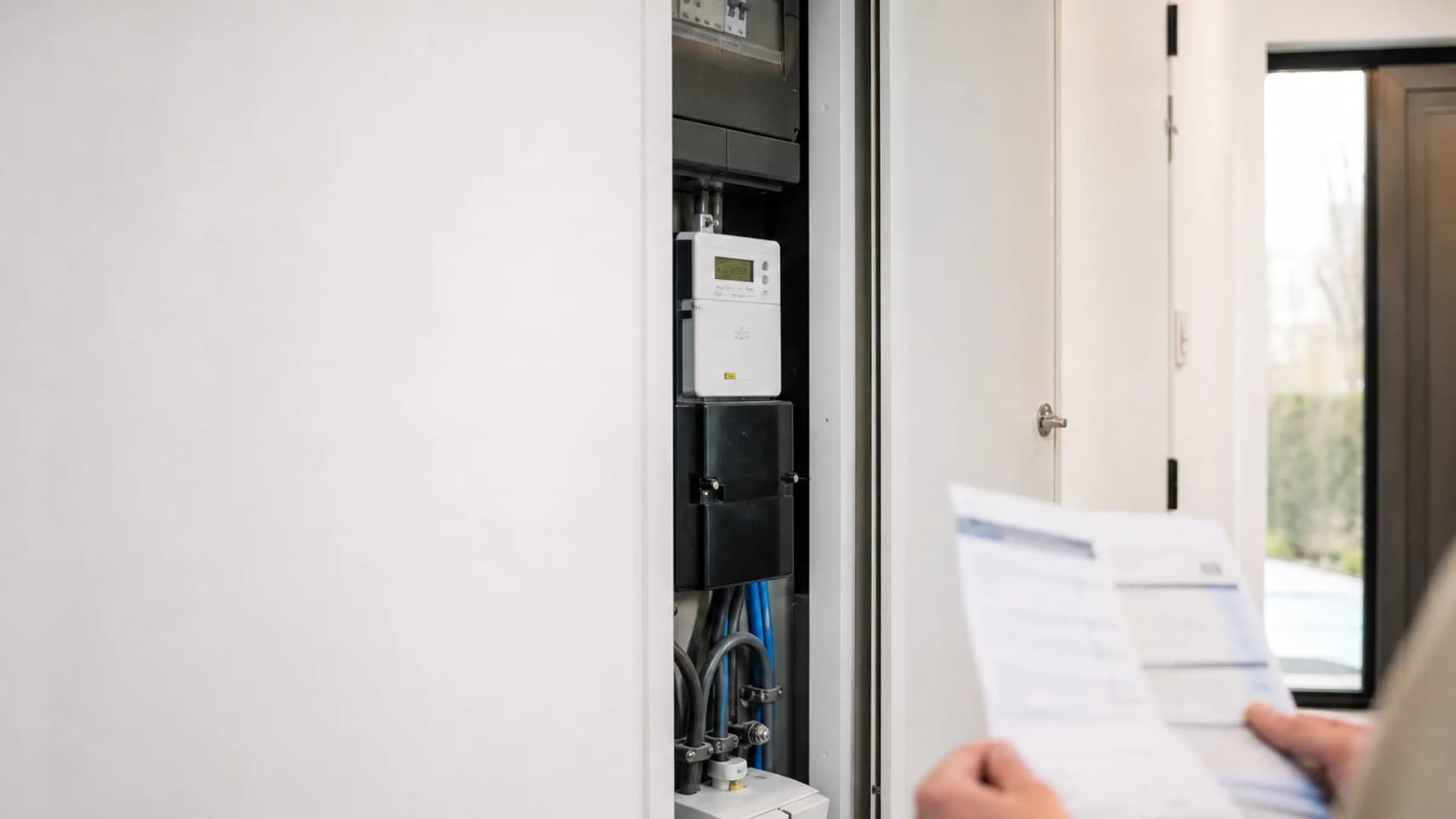
The feed-in payment is what your supplier pays for exported solar. Who sets the rate, and what changes when net metering ends.
Cleaning solar panels: when is it worth it?
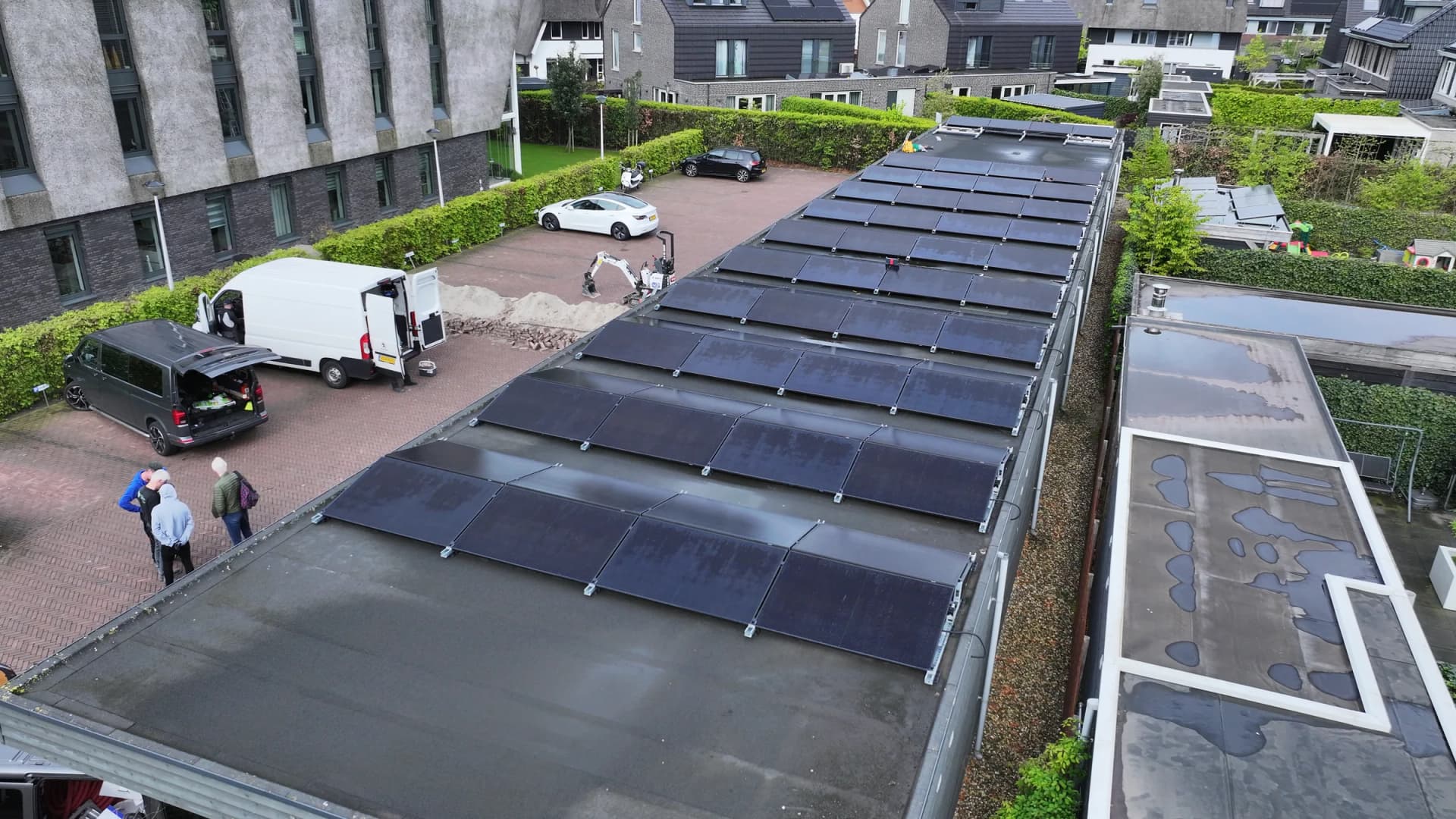
Cleaning solar panels? Usually unnecessary: rain does the work. When it pays off (flat roofs, bird droppings), how to clean safely and the upkeep that matters.
Home battery subsidies: what exists?
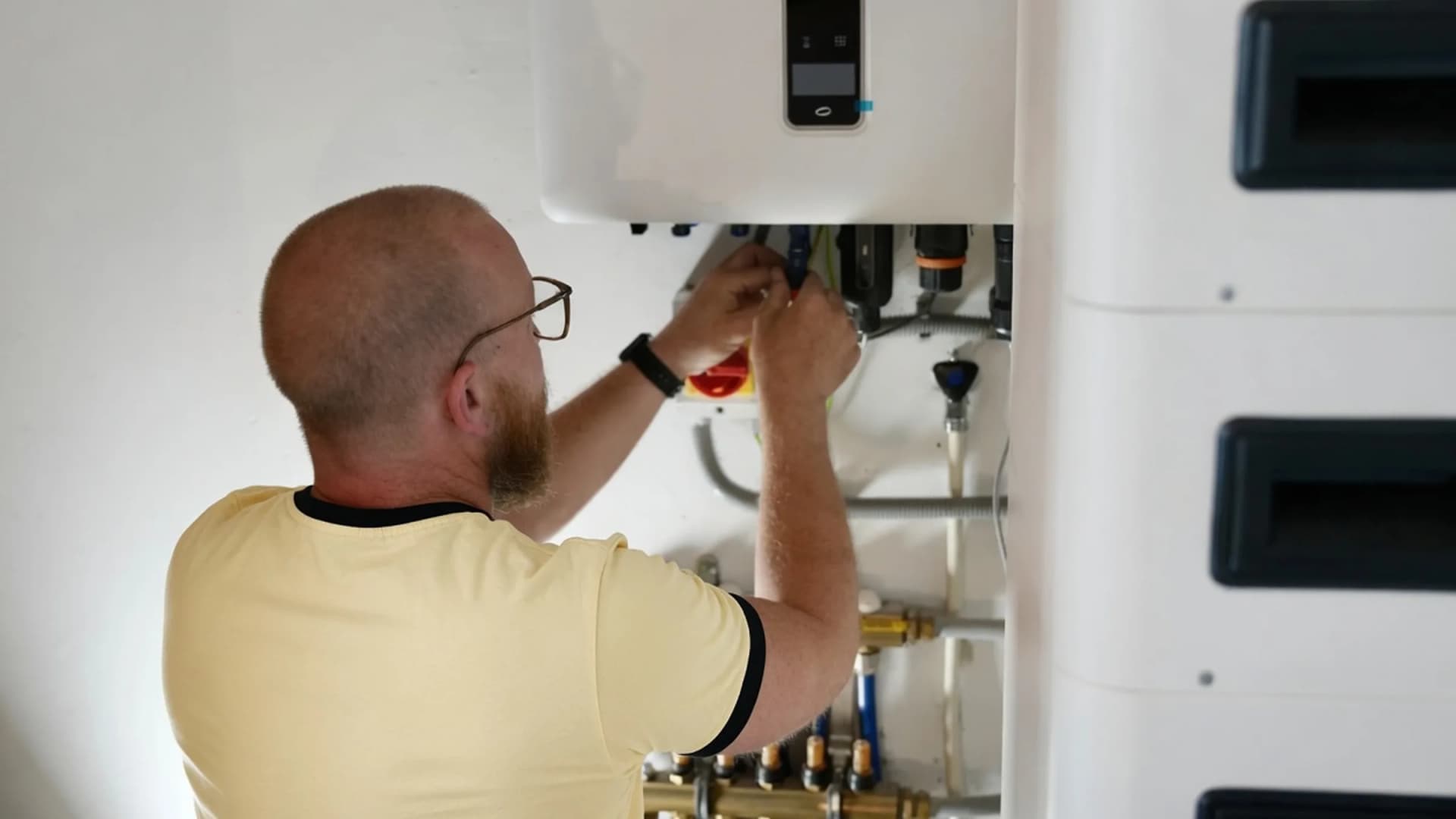
No national home battery subsidy in the Netherlands. What exists: VAT refunds under conditions, local schemes, EIA for businesses and Warmtefonds loans.
Heat pump subsidy: how to apply for ISDE
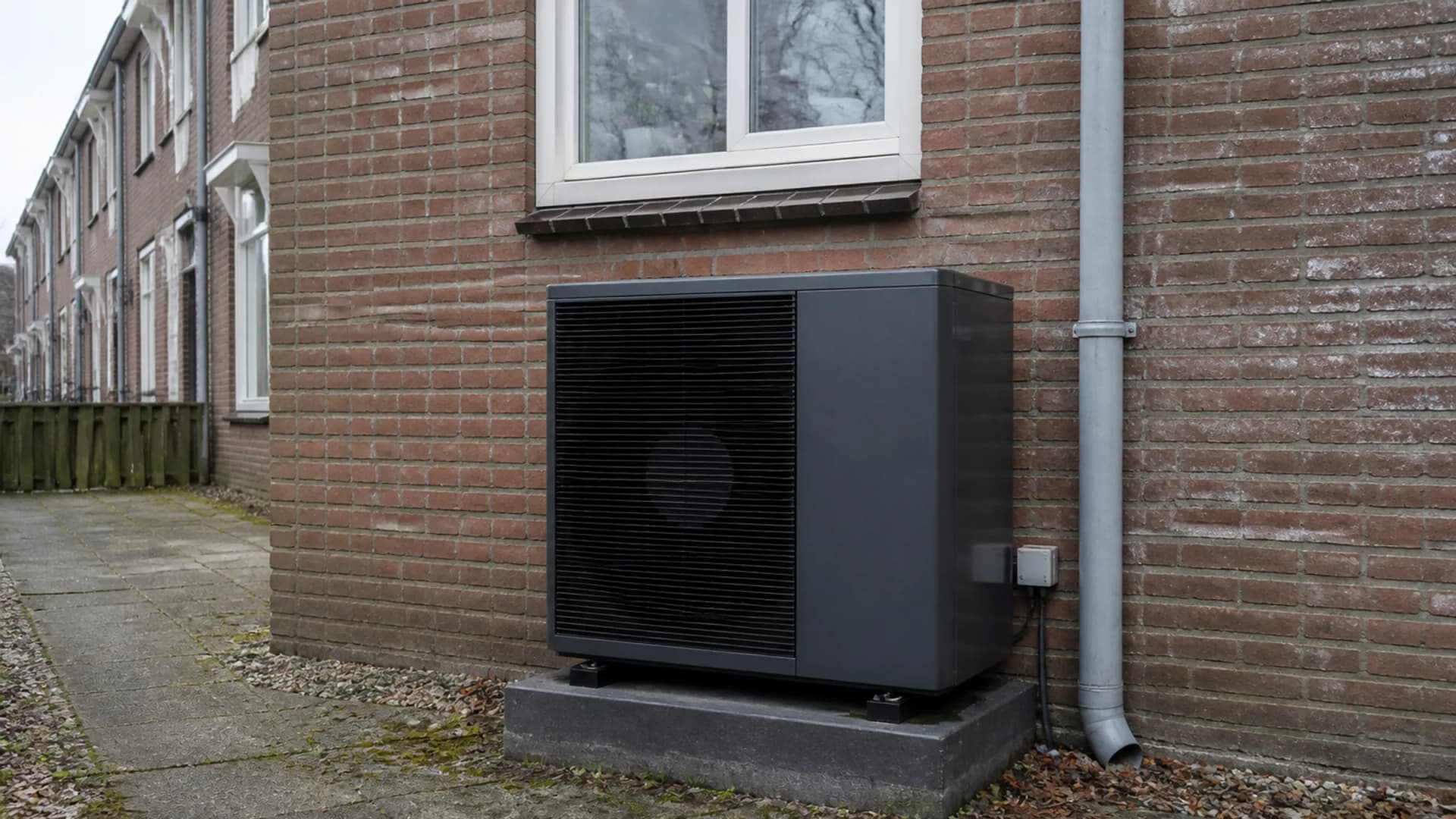
ISDE for an air-to-water heat pump: who can apply, which documents you need and how to fill in eLoket after installation.
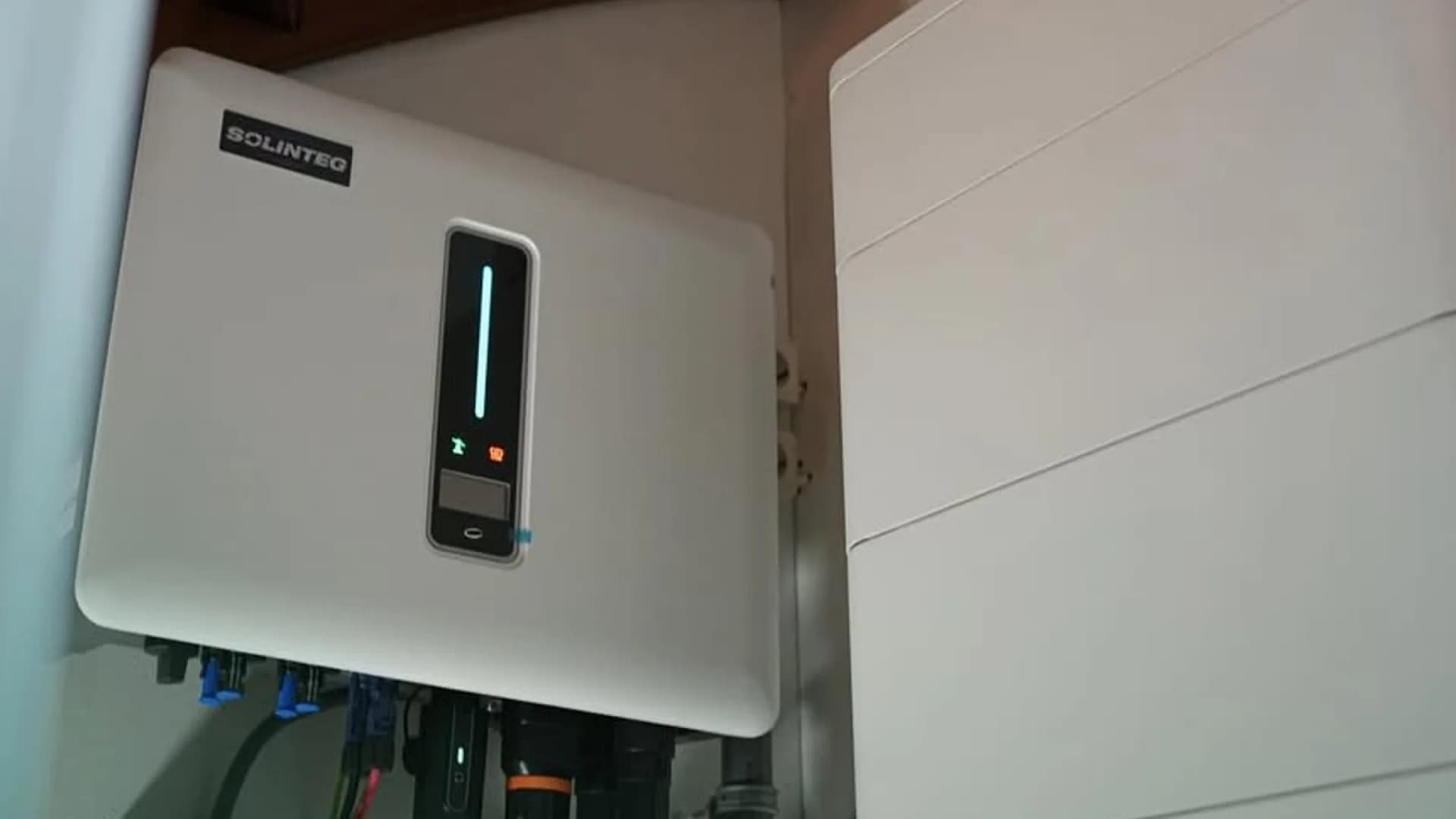
How home battery VAT refund works
Home battery VAT refund: if your battery trades in power, you can reclaim the VAT on purchase and installation. Conditions, steps and KOR timing.

Which home battery do I need? How to find the right size
Which home battery do I need? Evening and night use sets the kWh. Then your fuse box (single or three phase), solar surplus and inverter come into play.

Backup power with a home battery: how it works
Backup power with a home battery only works with a backup provision. What stays on: the fridge, or the whole meter cupboard.
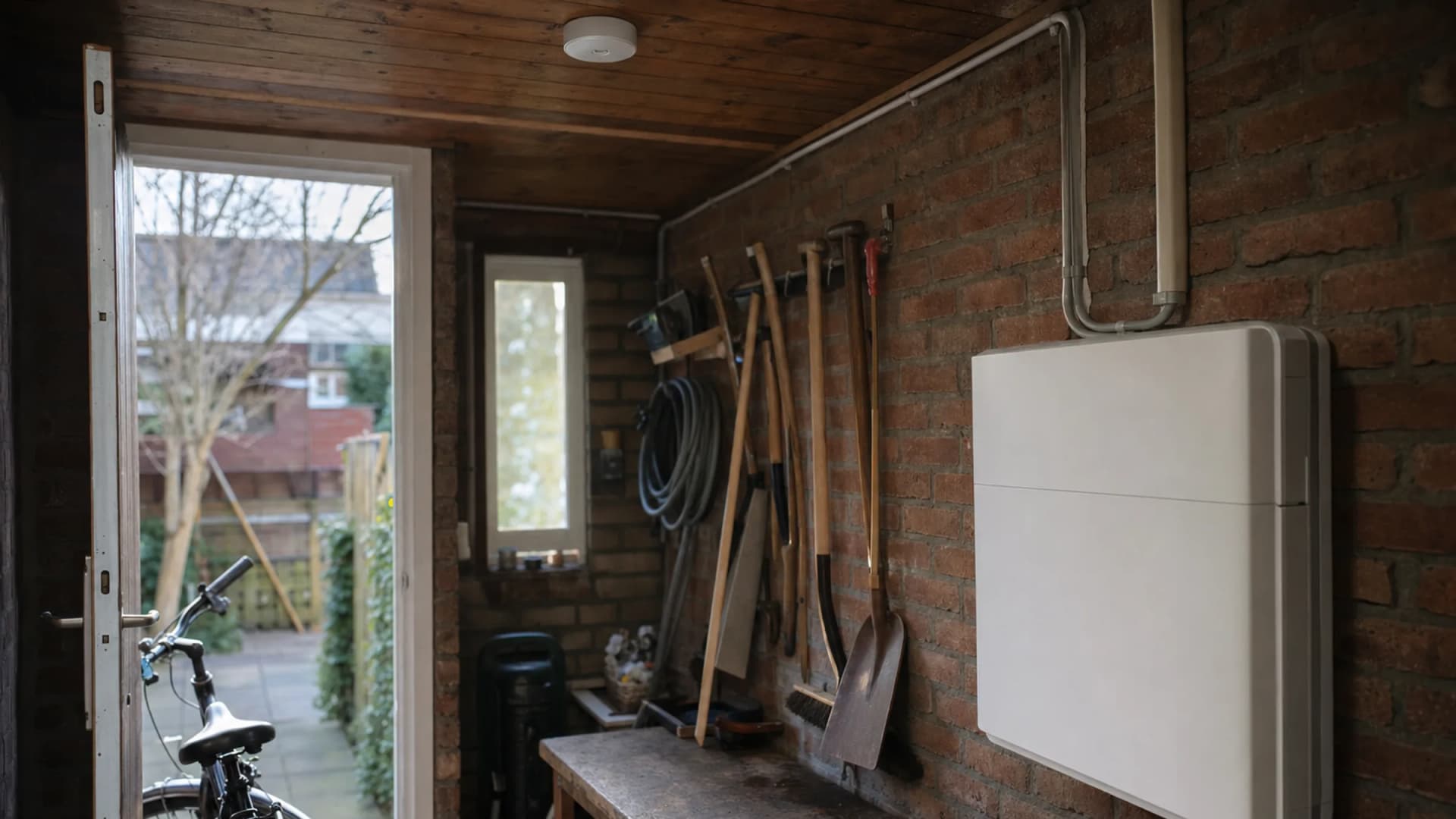
Where to place a home battery?
The best place for a home battery, room by room: shed, garage or attic, and why the crawl space is out. With fire service advice and our fitting practice.
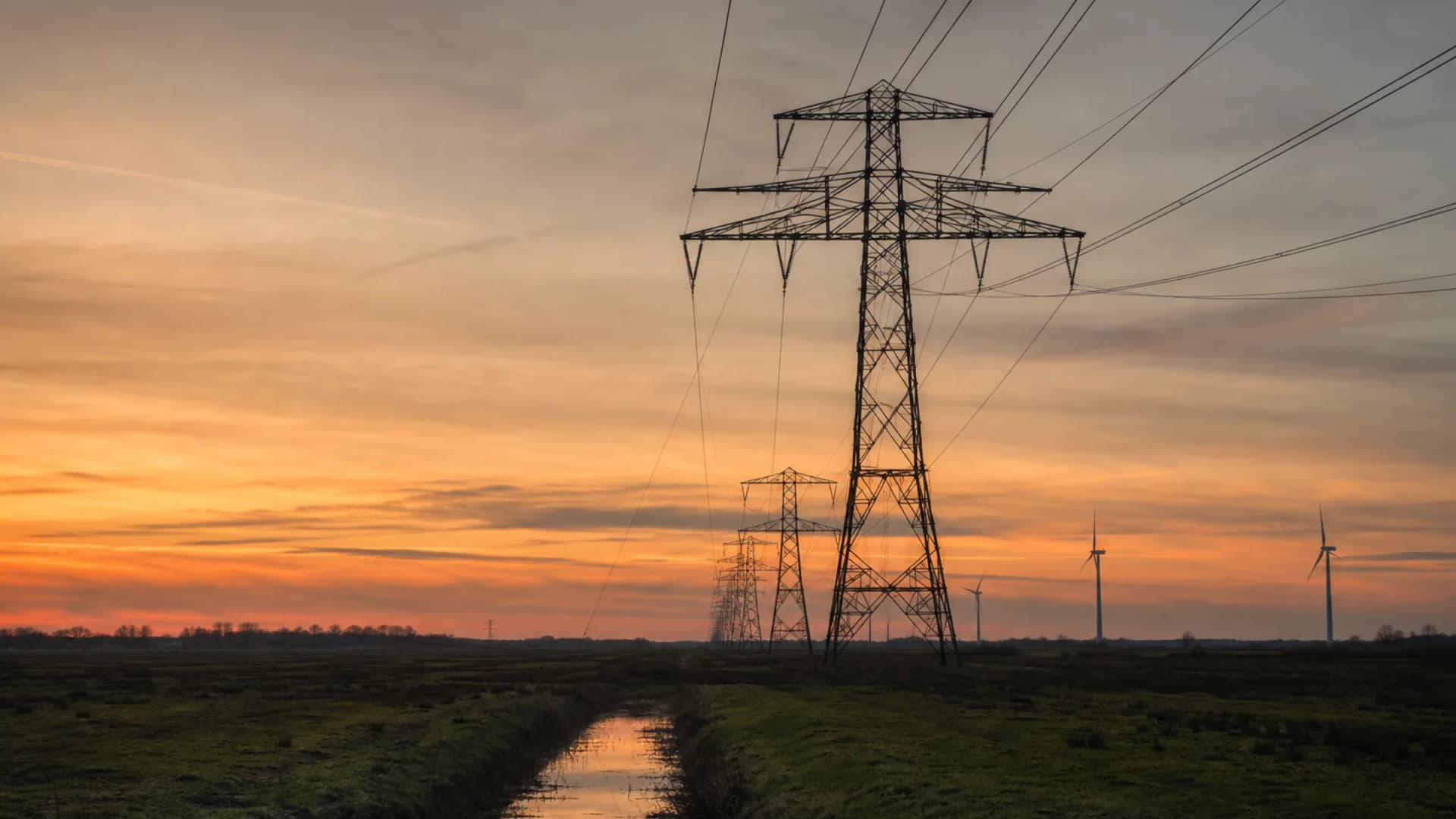
Electricity imbalance market: what it is
The electricity imbalance market is where TenneT settles deviations per quarter-hour. A home battery can follow those prices via your supplier.
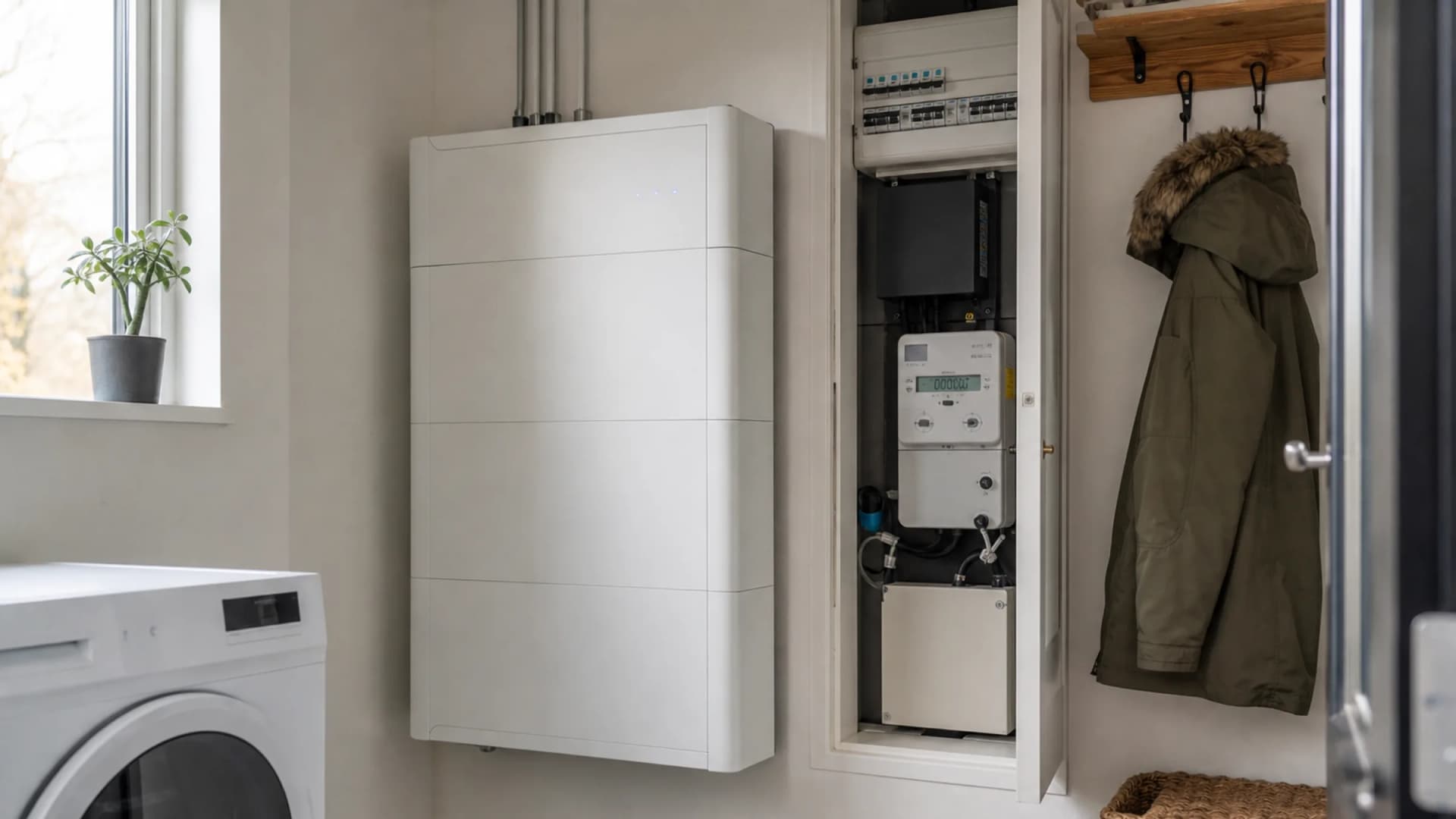
A home battery without solar panels: does it pay?
A home battery without solar panels charges at cheap hours and discharges at expensive ones. When that pays, what you need and when waiting is smarter.

How many kWh does a heat pump use per year?
A heat pump's yearly electricity use depends on your heat demand and the SCOP, including an 8 kW unit. How to run the numbers yourself in kWh.
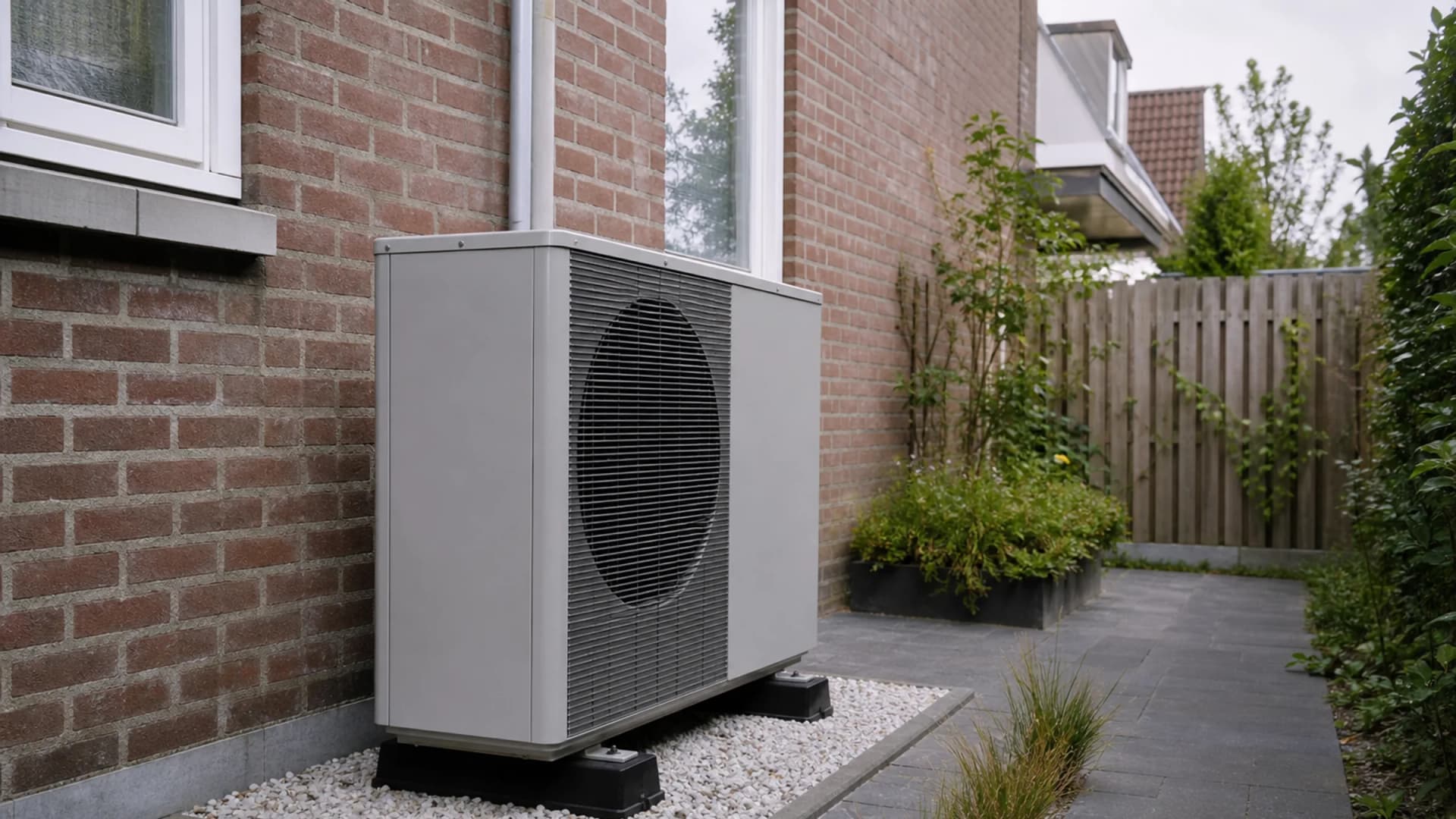
How much noise does a heat pump make?
A heat pump outdoor unit may cause at most 40 dB at the neighbours. What that limit means, how the sound feels in practice and what placement does.
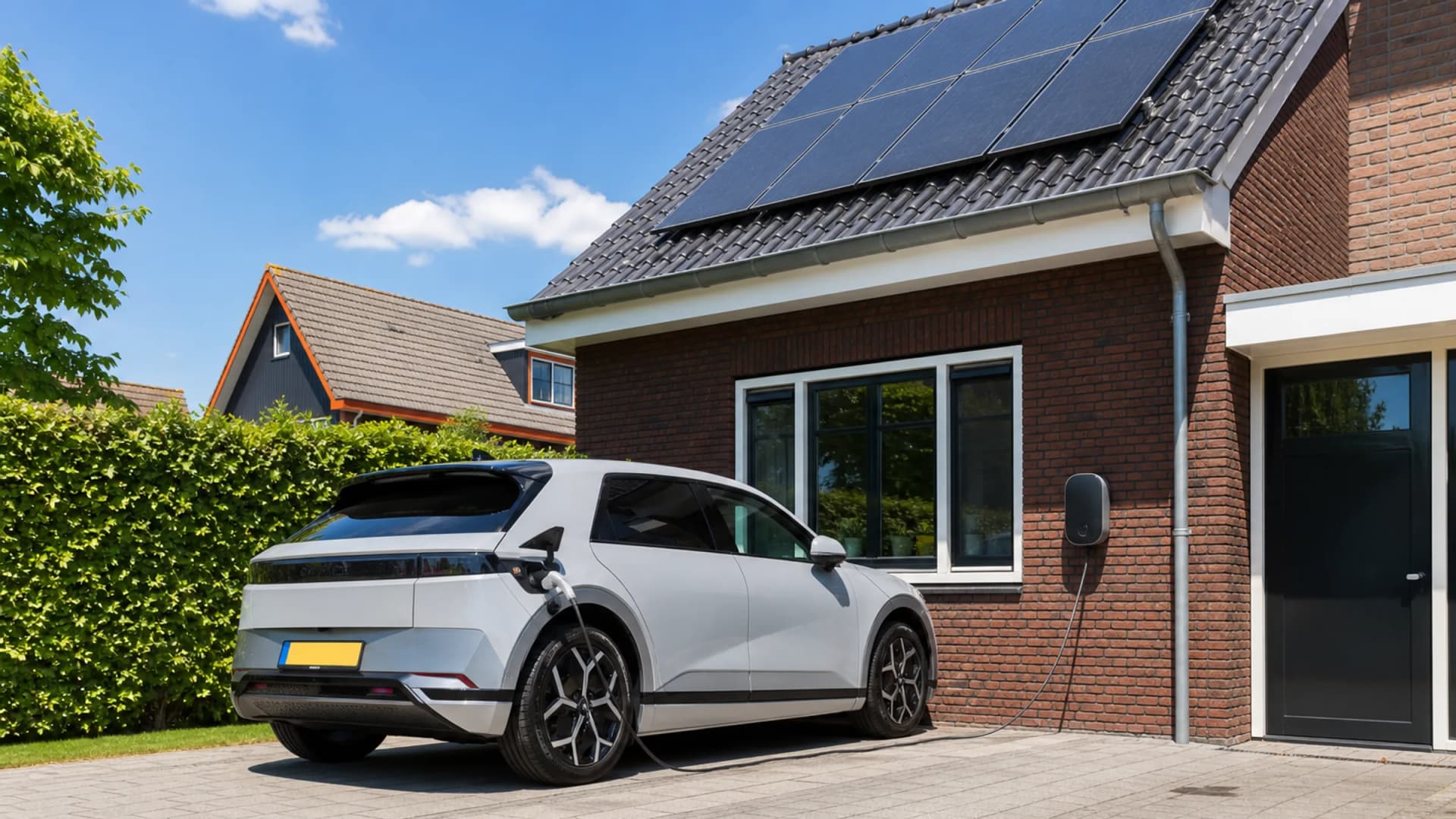
Charging your car on your own solar power
With a smart charger your car charges on your solar surplus. How surplus charging works, where the lower limit sits and what it saves.
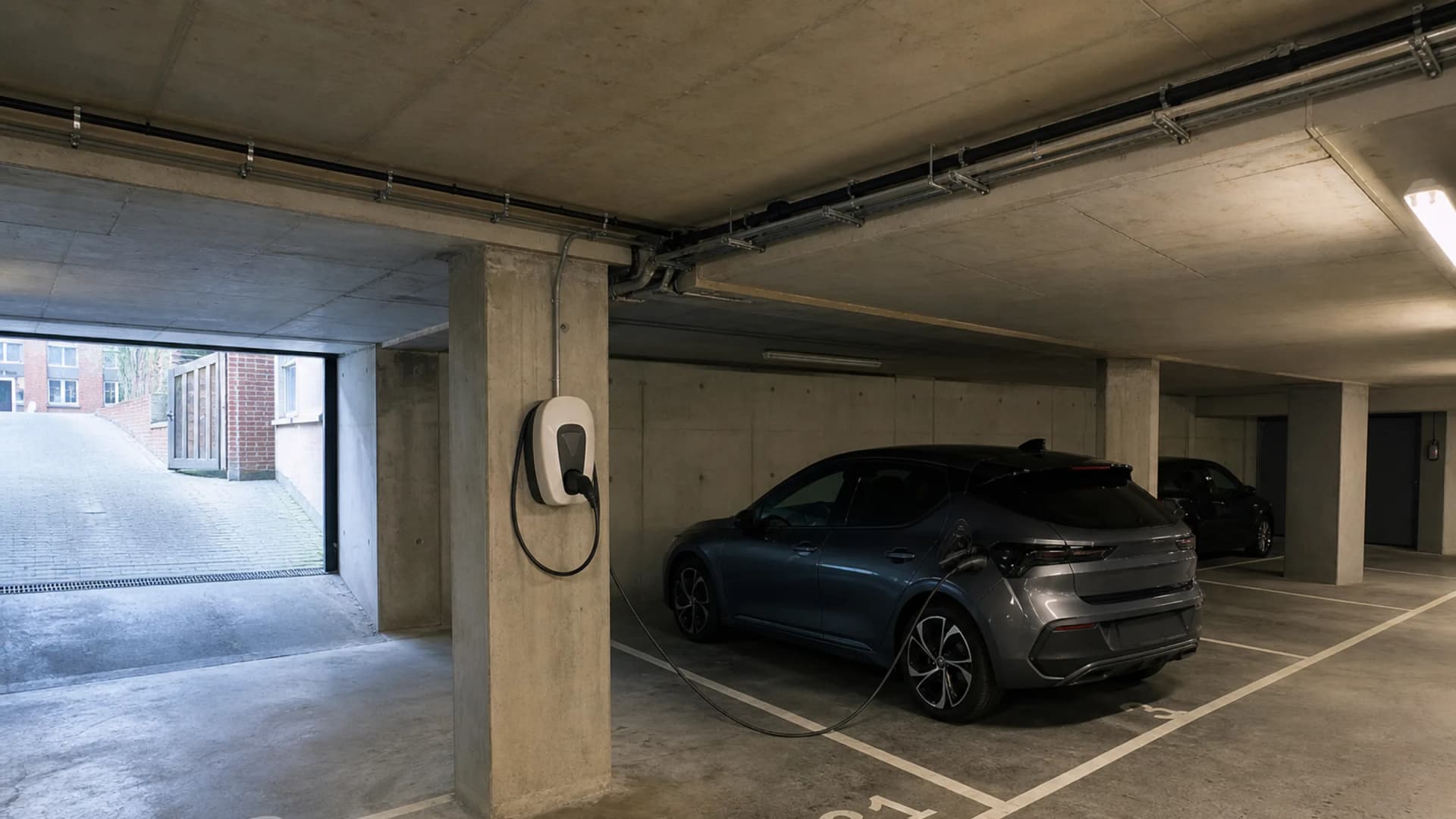
A charger in your owners' association: how to get it done
A charger at your parking spot in a Dutch VvE often needs approval today. How to approach it, what the 2017 model rules allow and which law is coming.
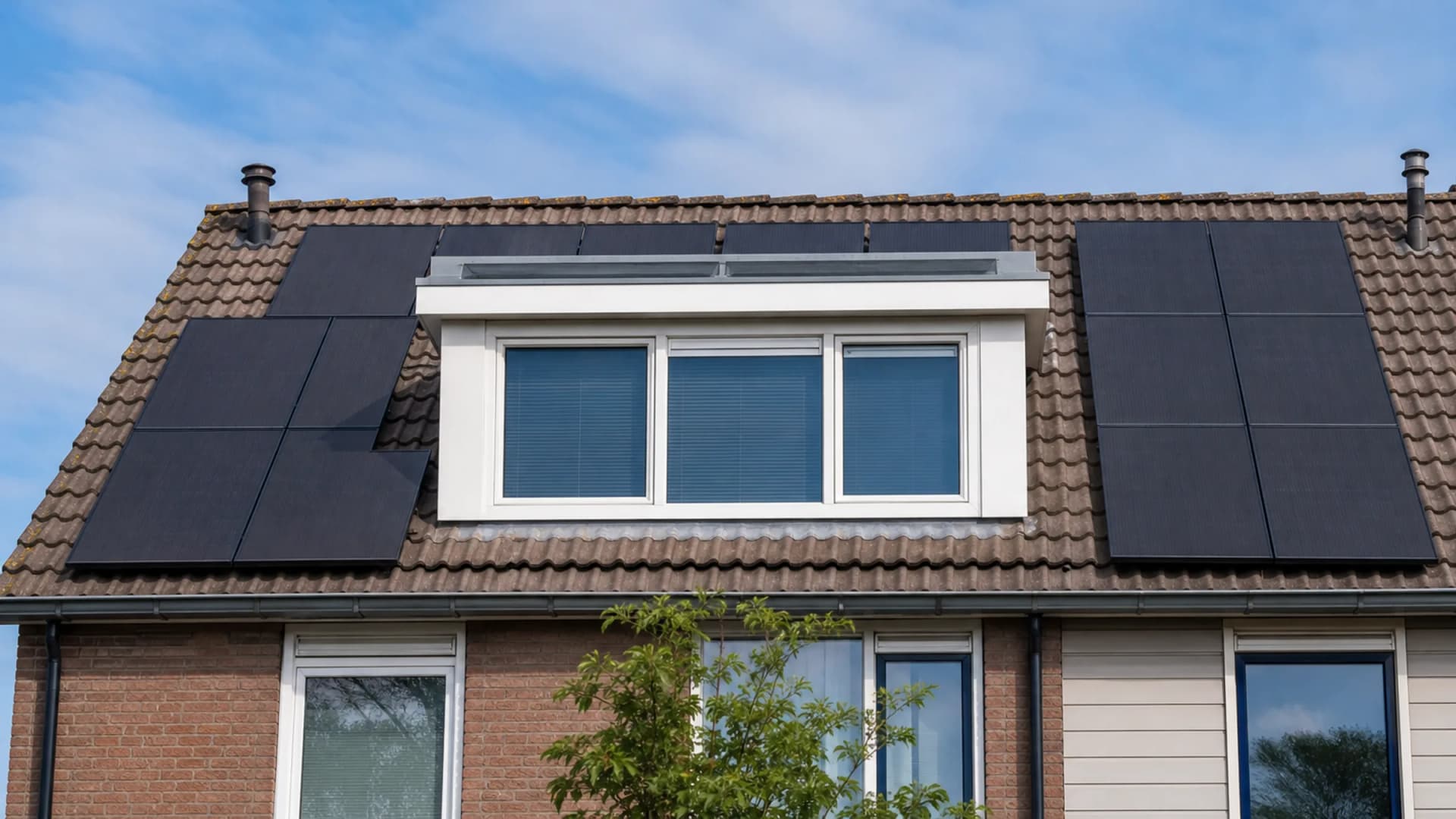
Solar panels on, above or around a dormer
Solar panels above a dormer on the main roof, or on the dormer itself: what the structure can bear, how the layout works and which rules apply.
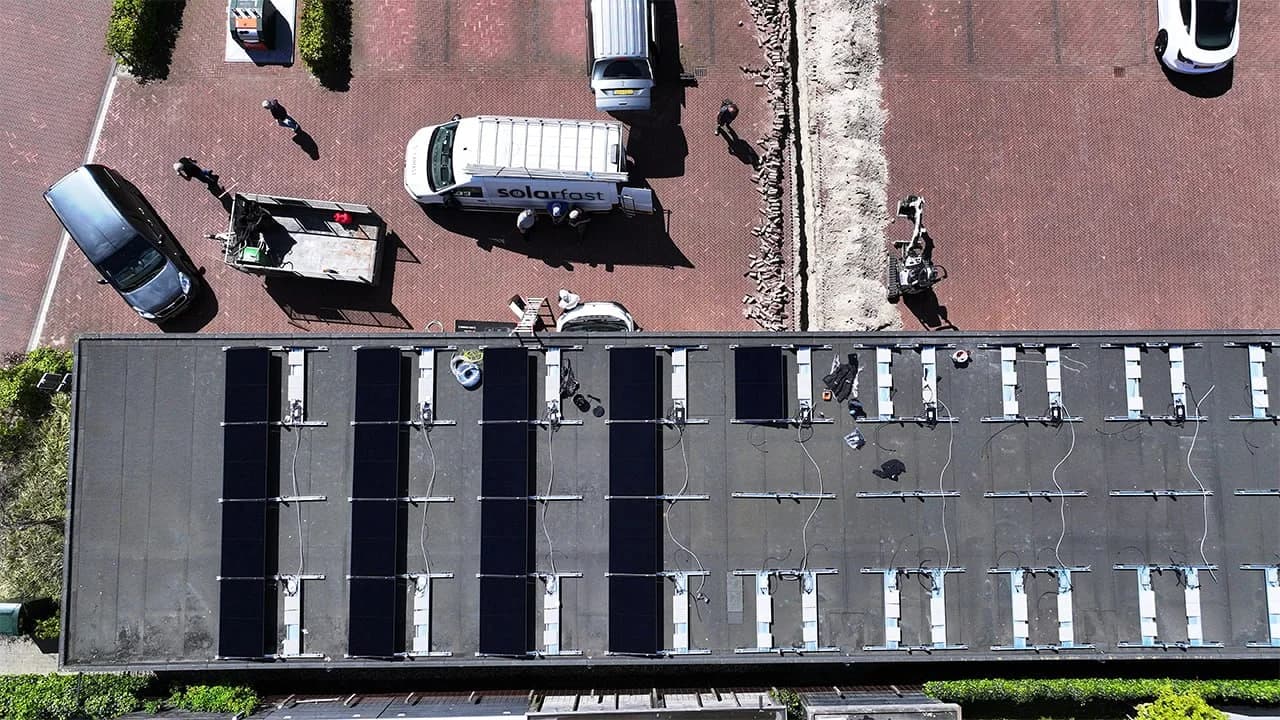
How many solar panels do I need? The calculation
Work out in three steps how many solar panels you need. For 4,000 kWh you land around 11 panels of 435 Wp, depending on your roof.
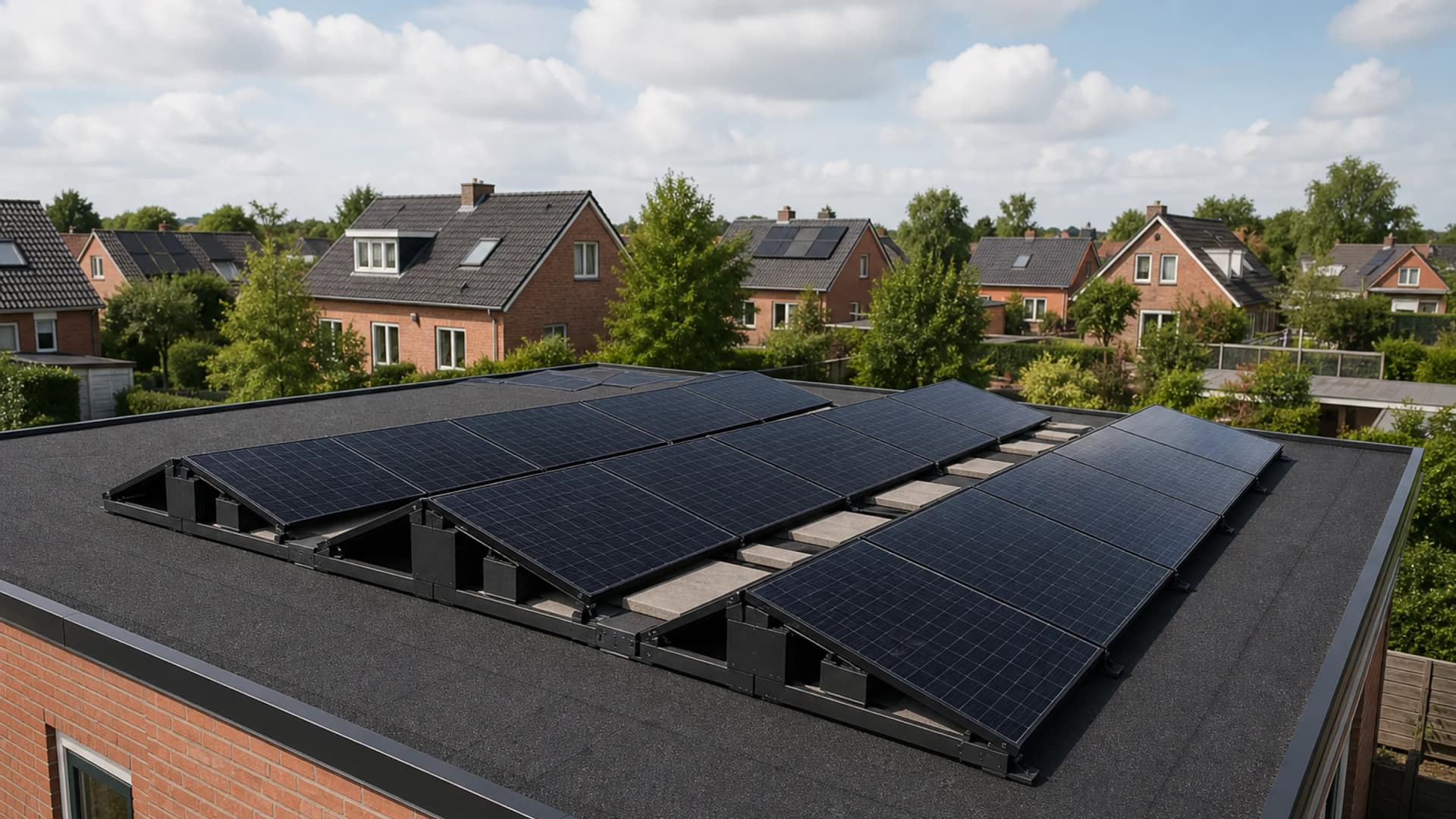
Solar panels on a flat roof: ballast, layout and yield
How much ballast you need on a flat roof depends on wind zone and the roof, not a fixed kilo figure. South or east-west sets the layout.
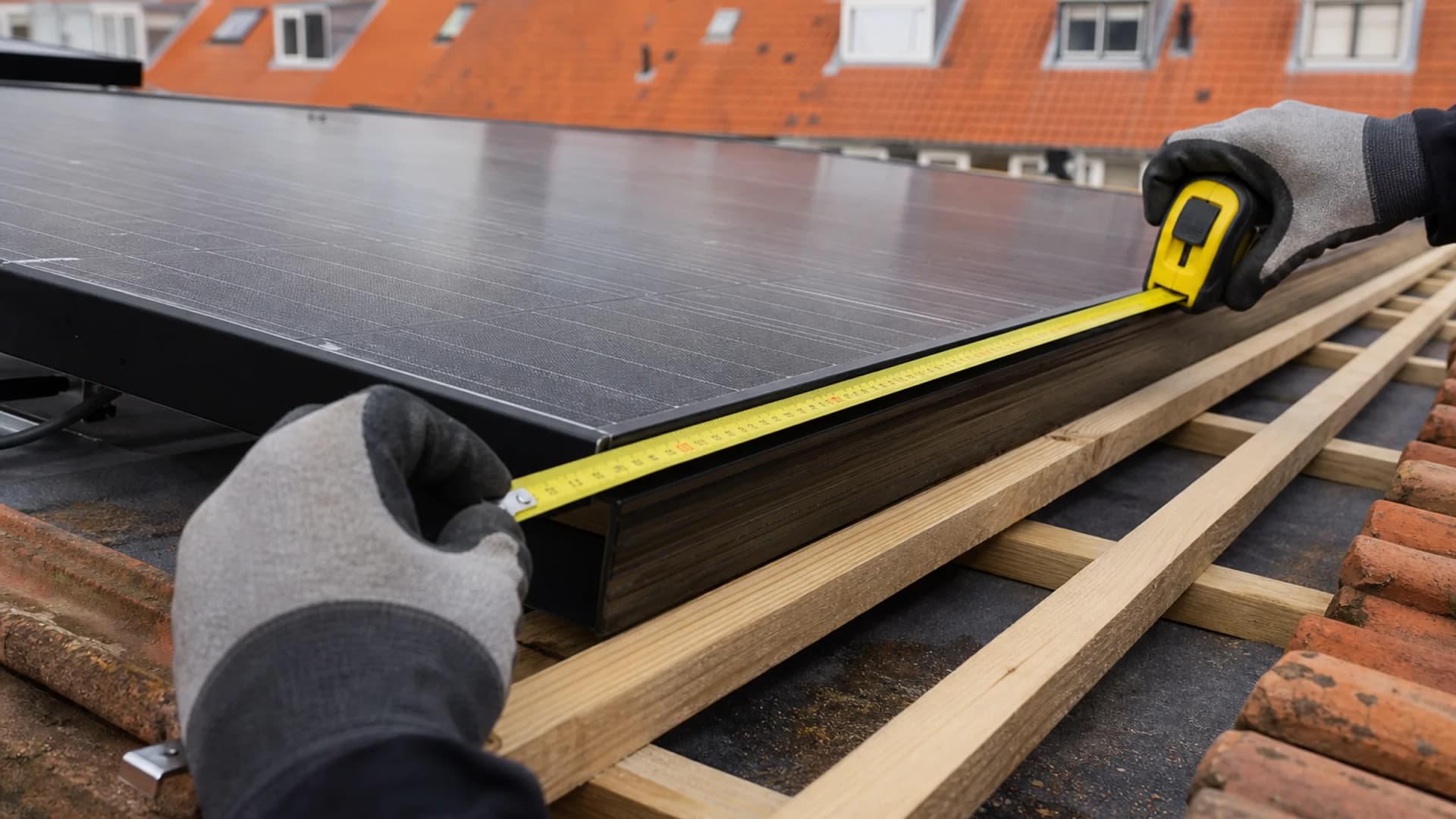
Solar panel sizes and weight
Solar panel weight on roof tiles: about 20 to 25 kilos each. Common sizes and how many genuinely fit on your roof.
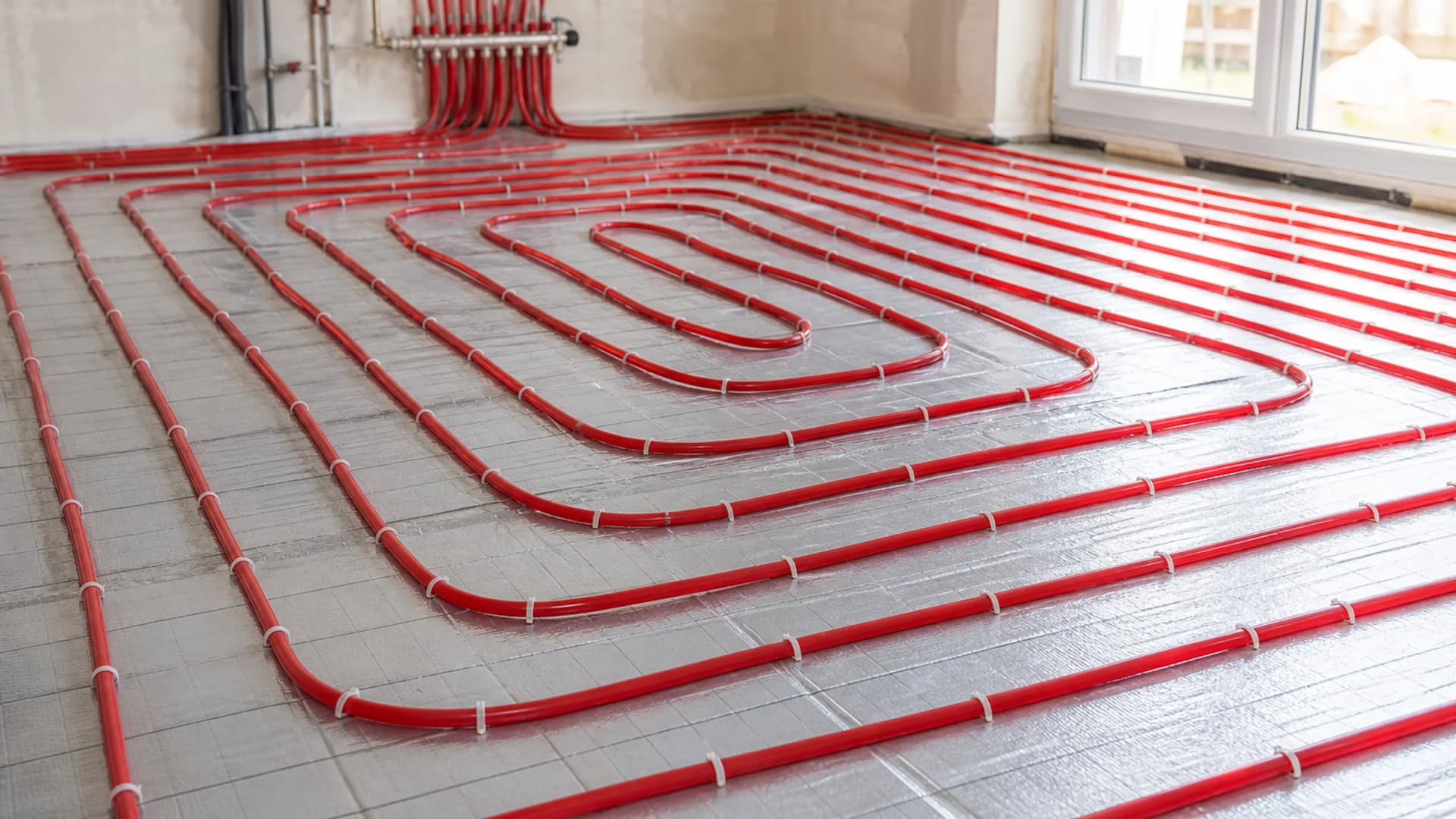
Underfloor heating and heat pumps: ideal match?
Why underfloor heating and a heat pump work so well together, when radiators are enough and what fitting it in an existing floor involves.
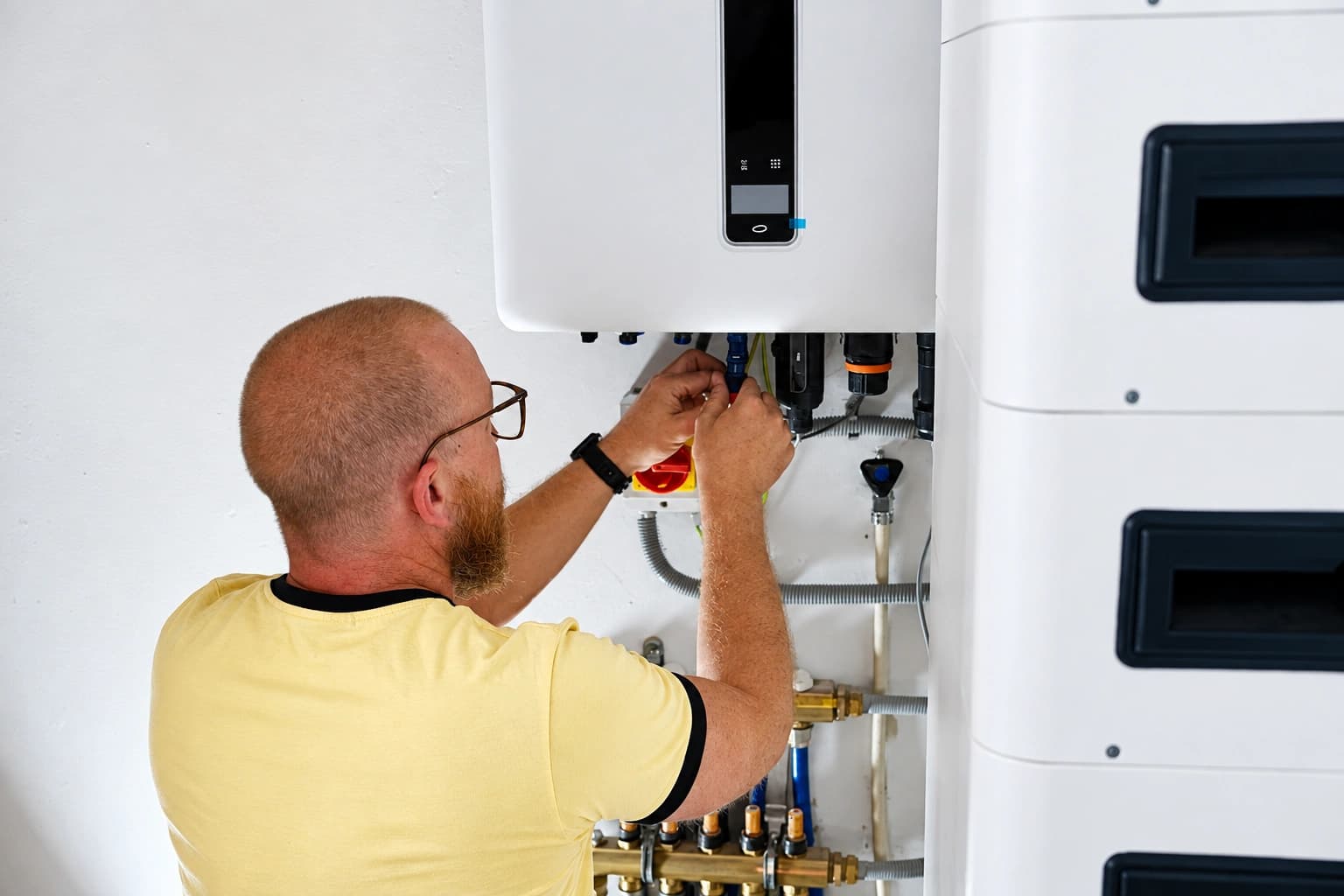
Home battery
Upgrade your home with our smart home battery (thuisaccu): save on feed-in costs, use more of your own solar power and rely less on the grid.
Solar panels
We work with strong brands and clear warranties, so you get more grip on your energy bill with panels that fit your roof.

EV charger
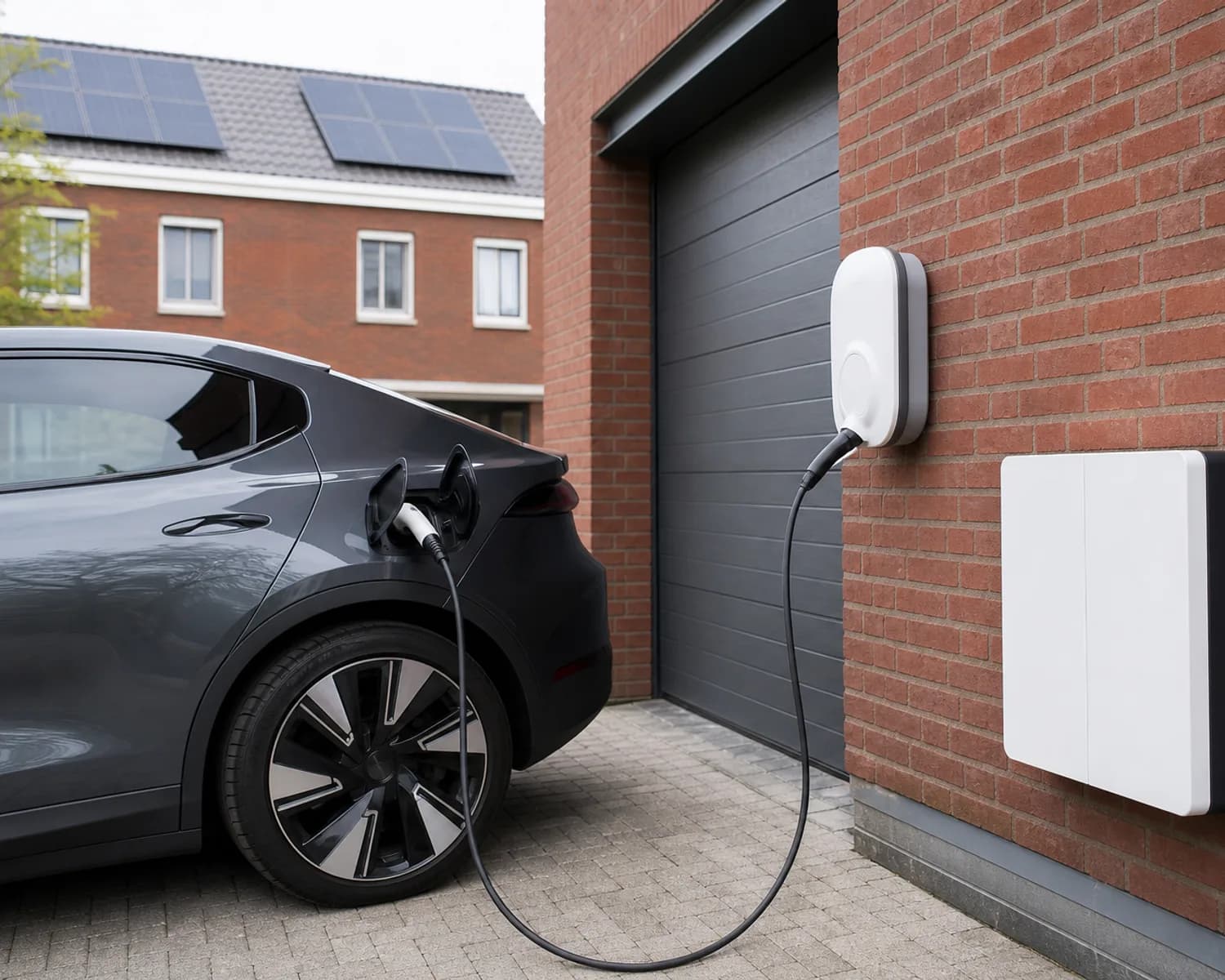
Our EV charger makes it easy to charge your electric car at home, so you leave every day with a full battery while contributing to lower CO2 emissions.
Terms
Short definitions of common terms: kWh, watt-peak, inverter and dynamic contracts.
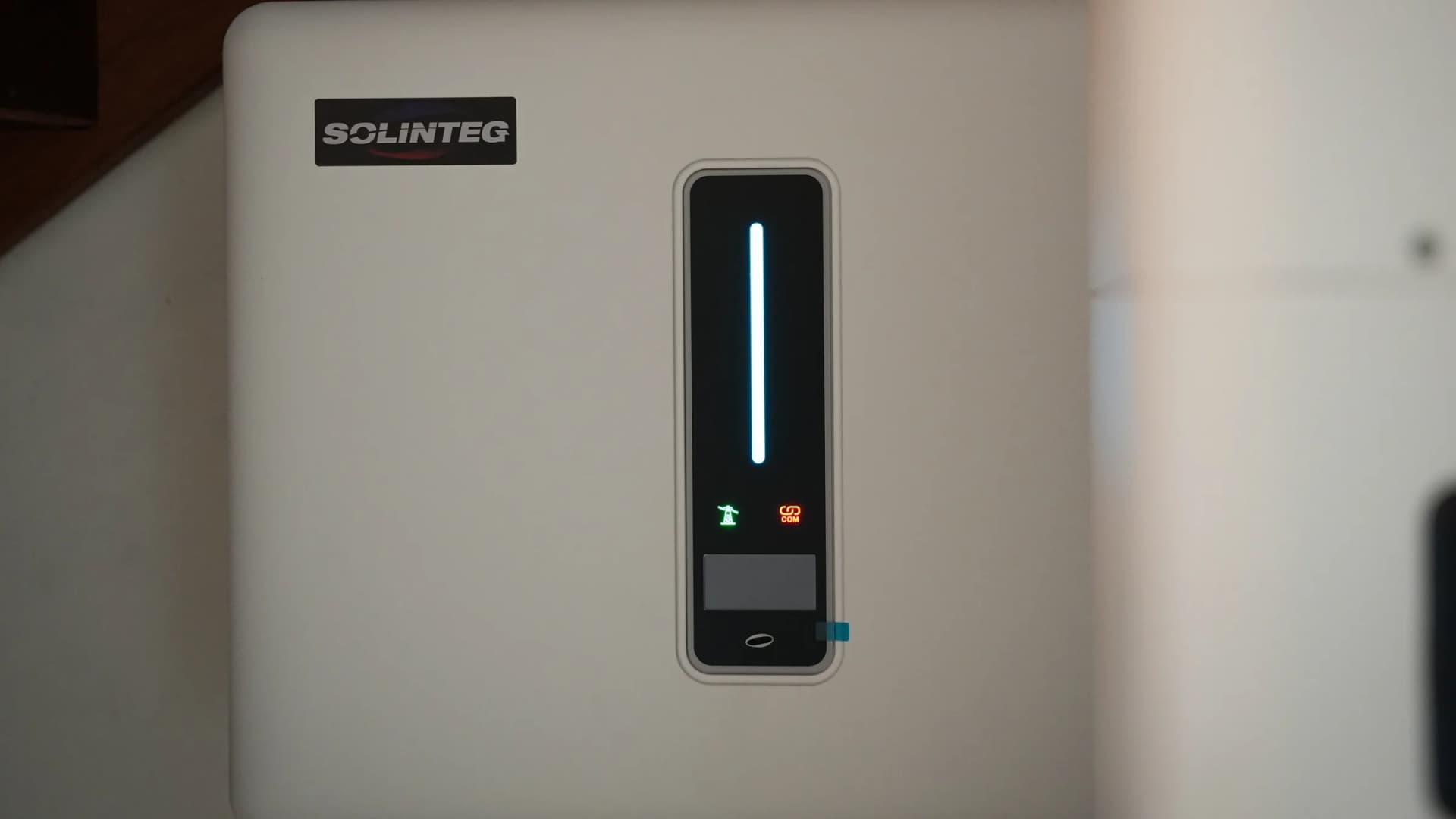
Solar panel inverter: which one fits your roof?
The inverter converts your solar panels' power into usable alternating current. String, micro and hybrid compared, plus sizing, placement and warranty.

What is Wp (watt-peak)? How to convert to kWh
What is Wp? Watt-peak is the peak output of a solar panel under standard test conditions. How to convert Wp to kWh per year.
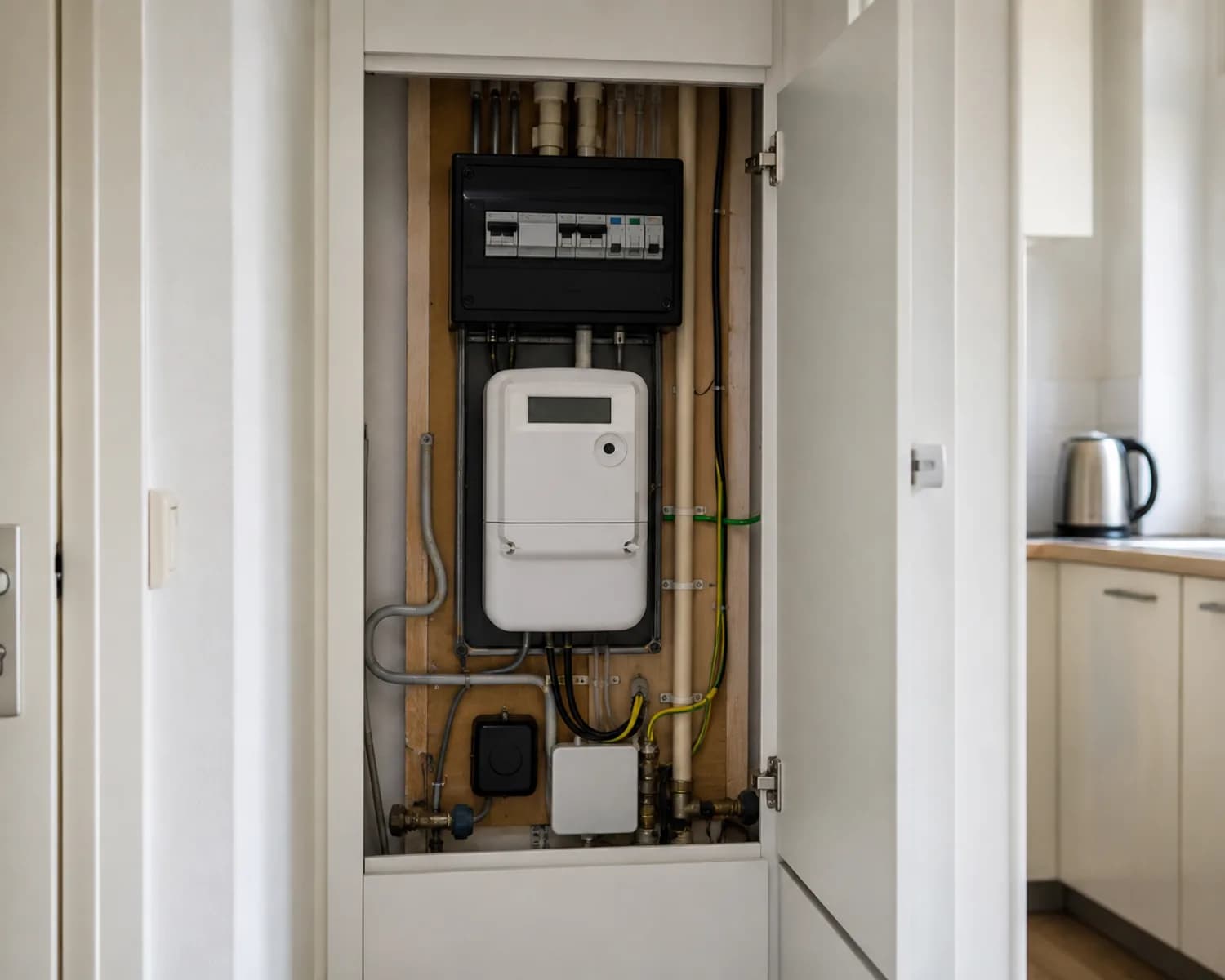
What is a kWh (kilowatt-hour)?
1 kilowatt is 1,000 watts. A kilowatt-hour (kWh) is that 1,000 watts for one hour. How to tell kW and kWh apart.
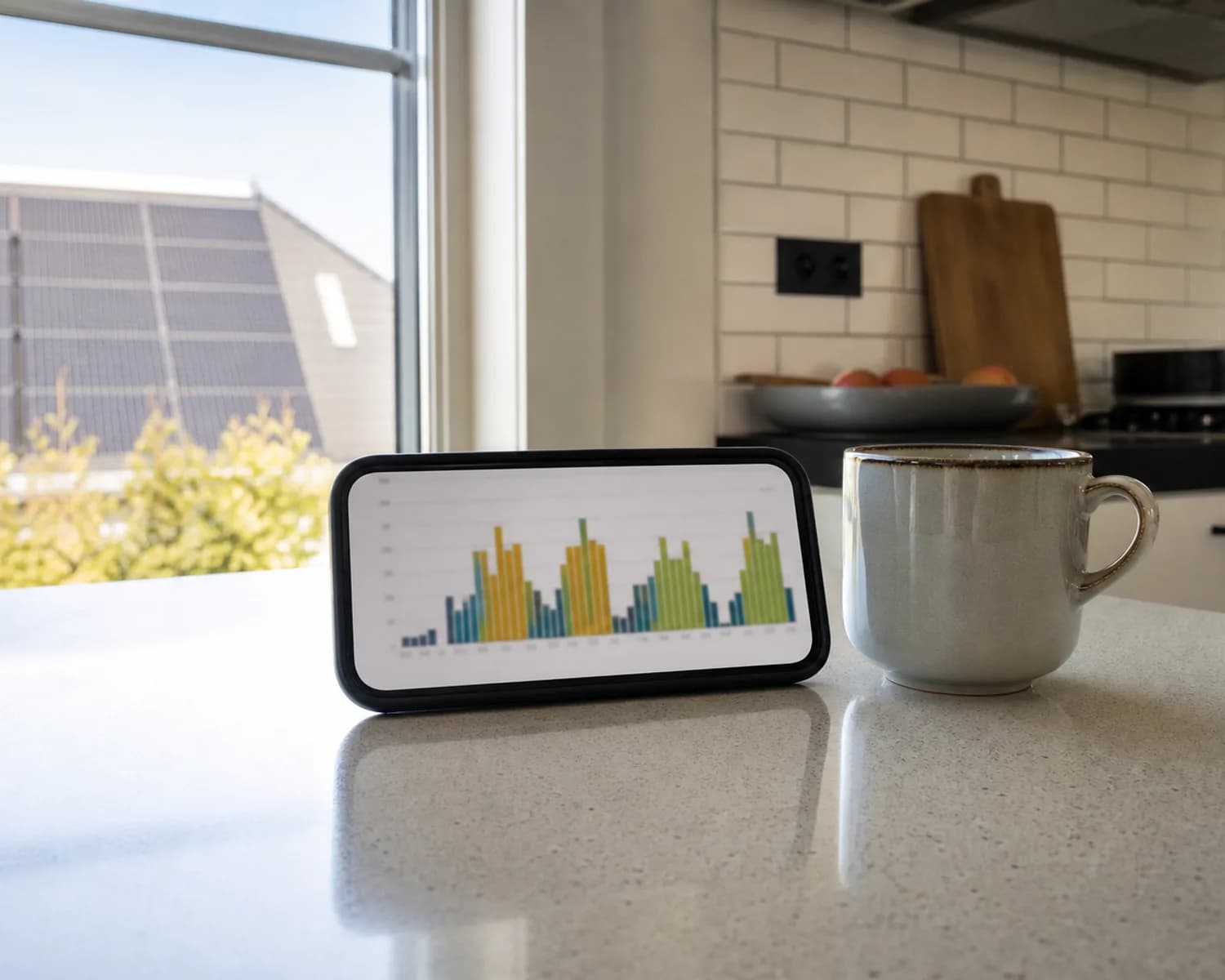
What is a dynamic energy contract?
A dynamic energy contract with solar panels: you pay the hourly price. When that fits, also with a home battery, and how feed-in then works.

Feed-in charges: what you pay and how to limit them
Feed-in charges for solar panels explained: why suppliers charge them, the forms they take, what the ACM checks and how to limit them.
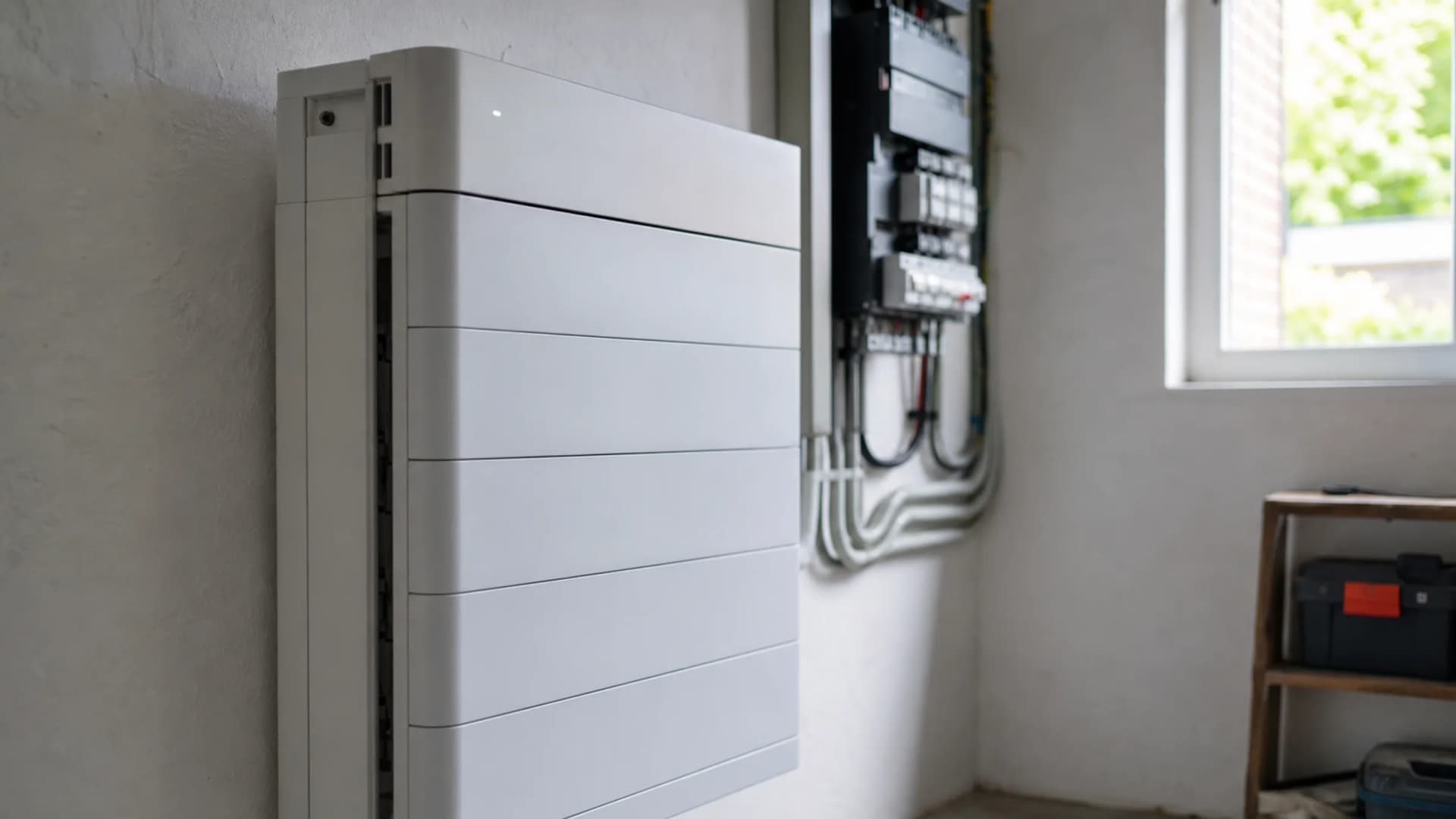
The lifespan of a home battery
How long does a home battery last? Charge cycles and calendar ageing explained, what degradation means and how to stretch the lifespan yourself.
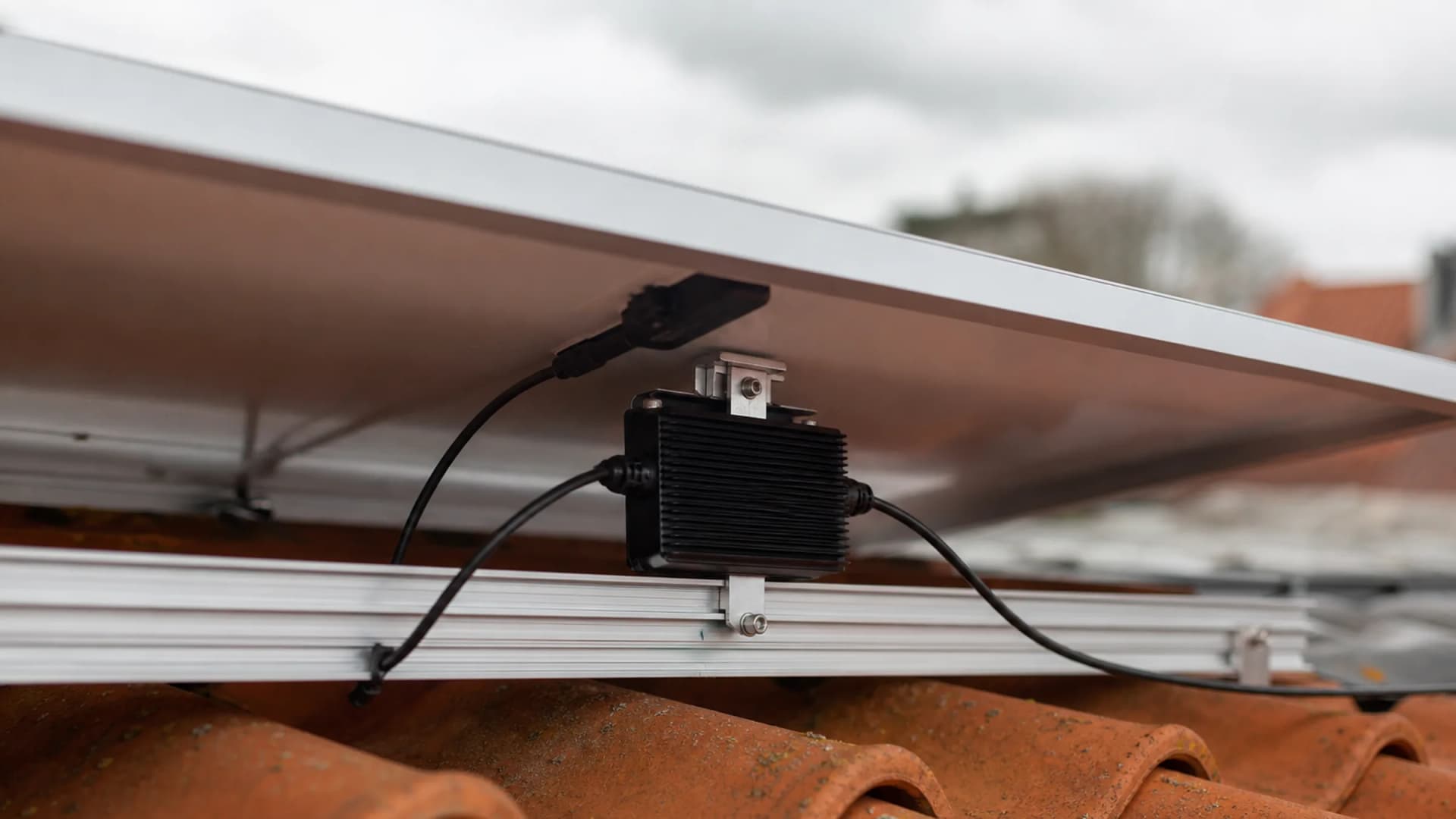
What is a solar optimizer?
A solar optimizer (also a power optimizer) is a small box per panel that limits shade loss. When it makes sense, and when it does not.
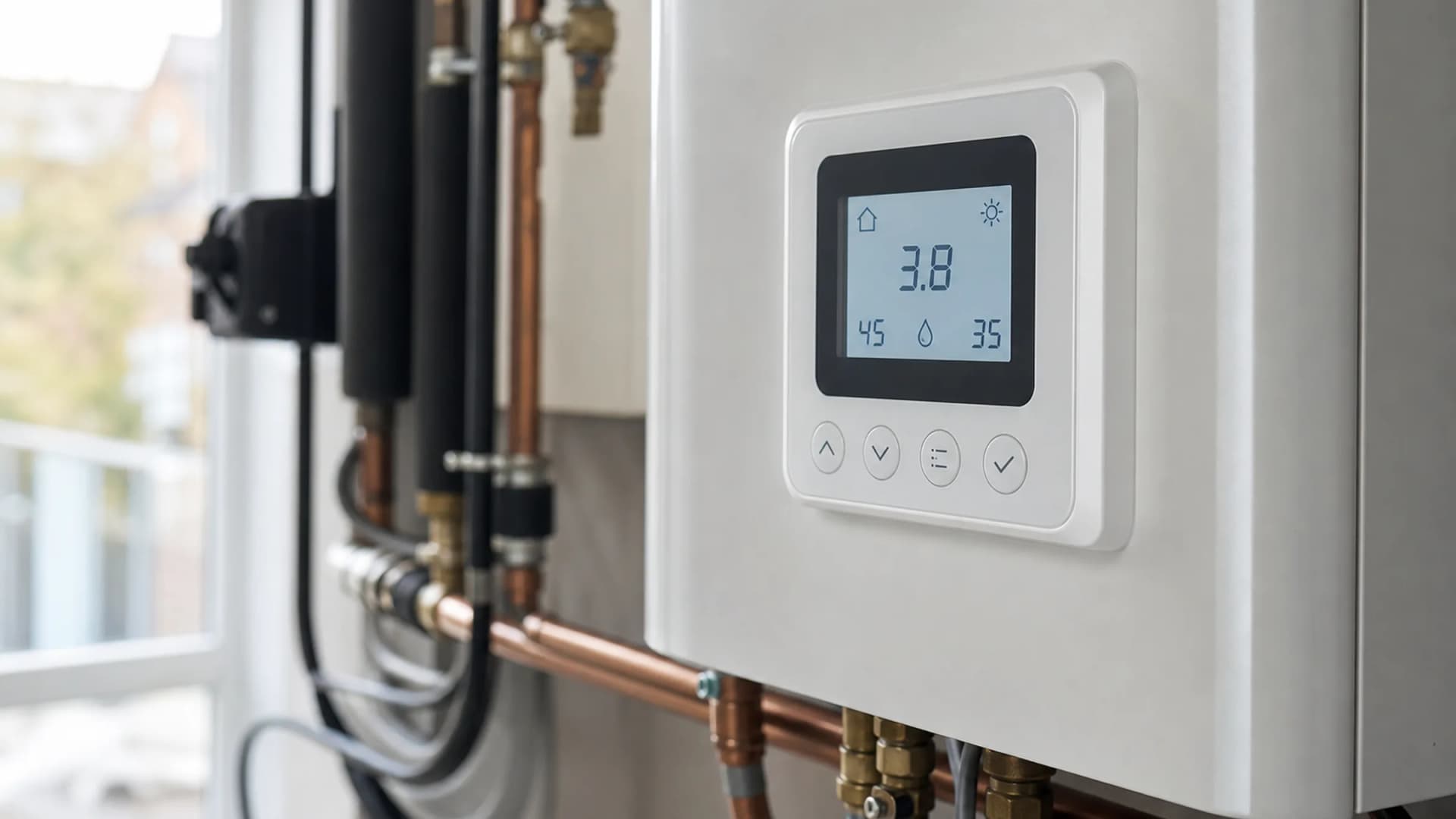
What does COP mean for a heat pump?
A heat pump COP is how much heat you get per kWh of power. What COP means versus SCOP, and how to read the figure in a quote.
More terms in brief
No page of their own, still handy to know: the key extra terms in a few sentences.
- Self-consumptionThe share of your self-generated power that you use in your own home straight away. The higher your self-consumption, the less you draw from the grid.Solar self-consumption: how to become more energy independent
- Feed-inPower your solar panels send to the grid when you generate more than you use. Your supplier settles this through net metering or a feed-in payment.What is net metering?
- kWp (kilowatt-peak)One thousand watt-peak. Useful for larger systems: a 4,000 Wp installation is then written as 4 kWp.What is Wp (watt-peak)? How to convert to kWh
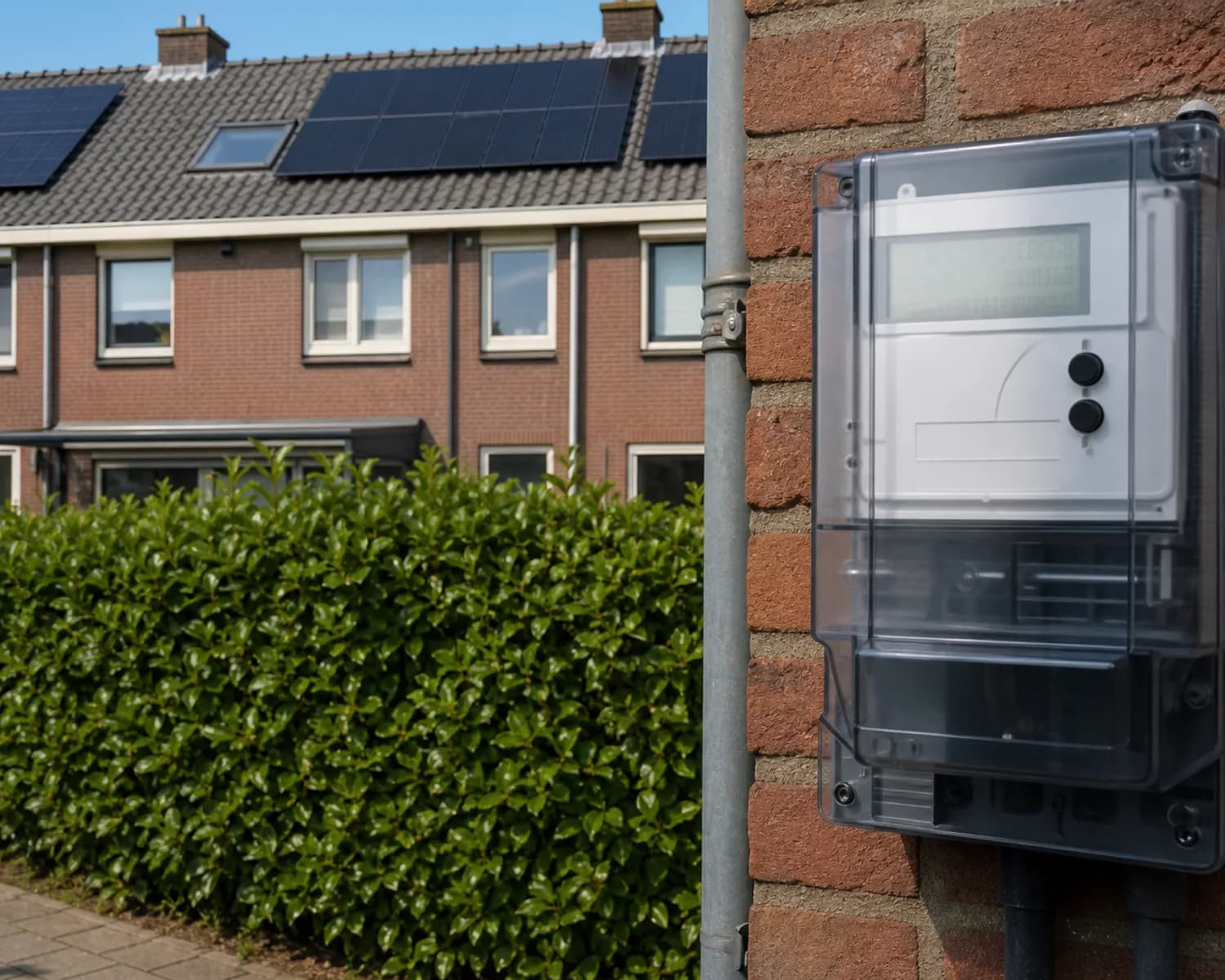
- P1 portThe data port on your smart meter. A home energy management system uses it to follow your usage and feed-in live.Smart home energy control: increase self-use

How we write these explainers
We write every explainer in this knowledge base ourselves, from SolarFast's installation practice. The examples come from the roofs and meter cupboards our engineers actually work on, from ballast on a flat roof to an older meter that does not register feed-in separately.
Rules and policy are checked against official sources such as the ACM, RVO and the grid operators; that is also where our articles link to. Amounts and schemes that change every year go on our blog instead, so these explainers do not go stale.
Still stuck after reading? Ask your question through the contact form, or request a no-obligation quote and our team will run the numbers for your home.