Home battery subsidies: what exists?
Updated on 7 min read
No national home battery subsidy in the Netherlands. What exists: VAT refunds under conditions, local schemes, EIA for businesses and Warmtefonds loans.
All articles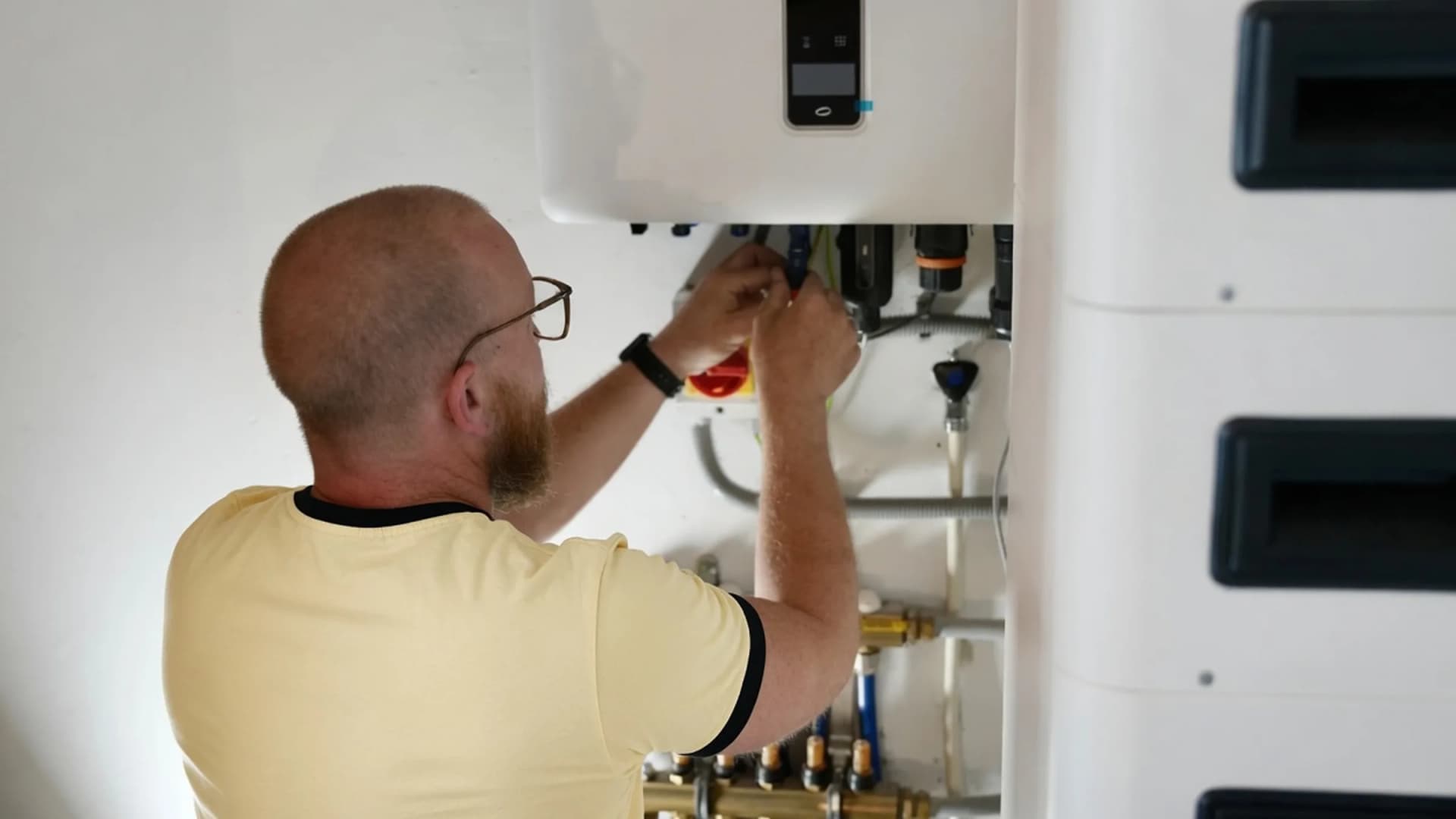
There is no national subsidy for home batteries in the Netherlands: the ISDE scheme does not cover them. What does exist: a VAT refund under conditions, the occasional local scheme, the EIA deduction for businesses and a favourable loan via the Warmtefonds.
Is there a subsidy for a home battery?
 Home battery
The short answer: no, not nationally. The ISDE subsidy (Dutch) covers insulation, ventilation, heat pumps, solar water heaters, heat network connections and electric cooking. A home battery is not on that list. How to apply for ISDE on a heat pump is in heat pump subsidy. The zero VAT rate that has applied to residential solar panels since 2023 does not cover batteries either: they carry the standard 21 percent rate.
Still, the question is a fair one. Several arrangements around home batteries do put money back in your pocket or make the purchase easier. They just are not called subsidies, and they do not apply to everyone.
What does exist
Reclaim VAT
Local schemes
EIA for businesses
Borrow via the Warmtefonds
These are not steps you walk in order. They are the routes that exist when a national purchase subsidy does not. Each route below says who it is for.
Reclaiming VAT: the route that does exist
This is not a subsidy. Under conditions you can reclaim the 21 percent VAT if you trade electricity with the battery. Using it only at home does not count. How that works, and a worked example, is in our article on reclaiming VAT on a home battery. Want a quick sense of whether it fits you? Take the VAT refund check.
Local schemes: varies by municipality and province
Some municipalities and provinces run their own scheme for home batteries or energy storage. These funds come and go: budgets are limited, conditions differ and a scheme that runs this year may be closed the next. A national overview that is always current therefore does not exist.
Check two places before you sign: the Energiesubsidiewijzer by Milieu Centraal (Dutch), which searches subsidies and loans by postcode, and your own municipality's website. If you live in our service area around Amsterdam, we check during the quote whether anything is running at your address.
Which schemes are actually running right now, with amounts and political developments, is tracked in our blog on the current state of home battery subsidies.
For businesses: the energy investment allowance
If you pay Dutch income or corporate tax, a battery may qualify for the energy investment allowance (EIA) (Dutch). You then deduct 40 percent of the investment from taxable profit, on top of normal depreciation. The investment must meet the requirements of the Energy List and you report it to the RVO within three months of ordering.
The bar is high for a private home though: the Energy List requires a system of at least 5 kilowatts of power and at least 15 kilowatt-hours of storage, coupled to substantial on-site generation or to trading software. Most home batteries of 5 to 10 kWh do not reach that. For business premises with a large solar roof, the EIA is often worthwhile.
A Warmtefonds loan is not a subsidy
The national Warmtefonds finances home batteries through its energy-saving loan: up to 8,500 euros, for owner-occupiers who already have solar panels or install them at the same time. The battery must be connected by an installer (no plug-in batteries) and sit on your own property. With a household income below 60,000 euros the interest rate is 0 percent. The conditions are published by the Warmtefonds (Dutch).
Be sharp on sales talk here. The Warmtefonds itself warns against sellers who present the loan as a subsidy or a free battery. It remains borrowed money that you repay, just on favourable terms.
One more point if you want to combine the loan with the VAT route: the Warmtefonds requires that you use the battery privately only, while the VAT refund is precisely about trading power. Put that combination to the Warmtefonds first.
What a battery earns without subsidies
Whether a home battery adds up ultimately does not depend on a subsidy pot, but on what you do with it. The basis is using more of your own solar power instead of exporting it cheaply. A dynamic energy contract adds trading on top: charge when power is cheap, discharge when it is expensive.
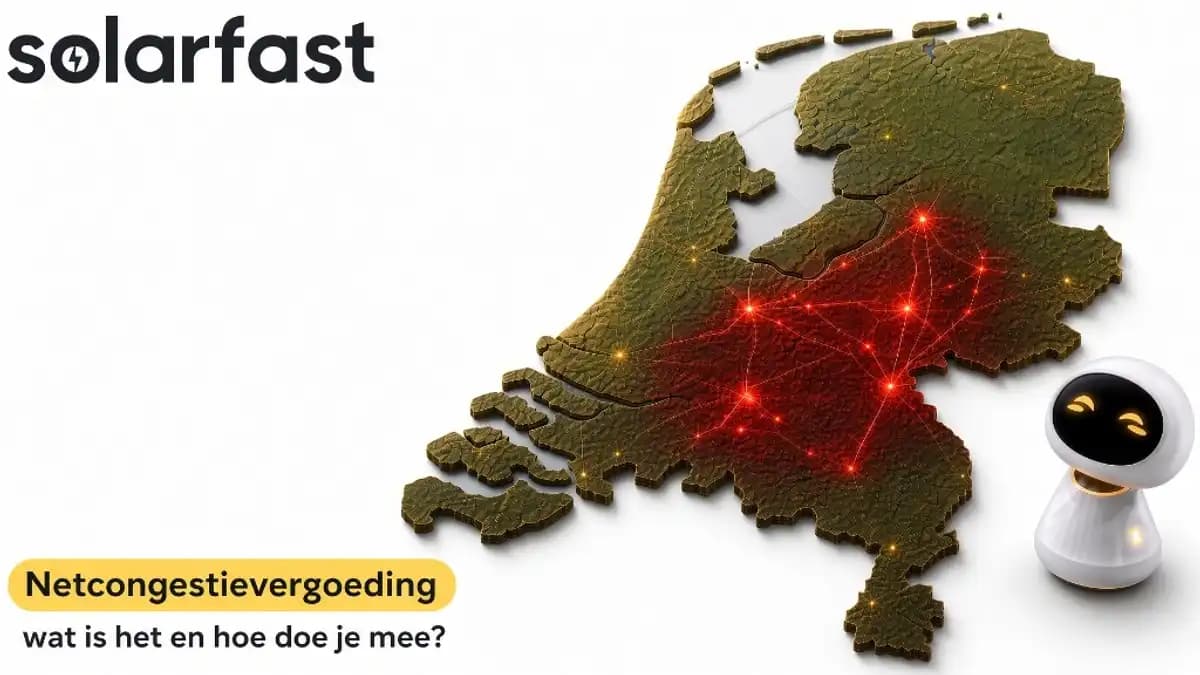
And in regions where the grid is congested, grid operators now pay households whose battery helps relieve the grid. How that works is covered under grid steering and in our blog on the grid congestion payment. Still weighing up whether a battery suits you? The comparison with or without a home battery lines up the trade-offs; purchase costs are covered under home battery costs.
What SolarFast looks at
We do not sell batteries with the word subsidy as bait: nationally it simply does not exist. In the quote we work with what does. We check whether the VAT route realistically fits you, whether a local scheme runs at your address and whether a home battery makes sense for your usage and meter box. That way you know where you stand upfront, without promises that evaporate at the annual statement.
Curious what applies in your situation? Put your question to us and we will line up the schemes for your address.
Solar panels are still a smart investment in 2026. A few things matter if you want the most from your own power.
Your energy use
Planning to drive, cook or heat electrically? Factor that into how many panels you install now.
Spread the yield
Spread panels across roof faces so you generate through the day and use more of your own energy.
Your data
Choose a system with its own 4G connection and data storage in Europe so your information stays secure.
Boost your energy
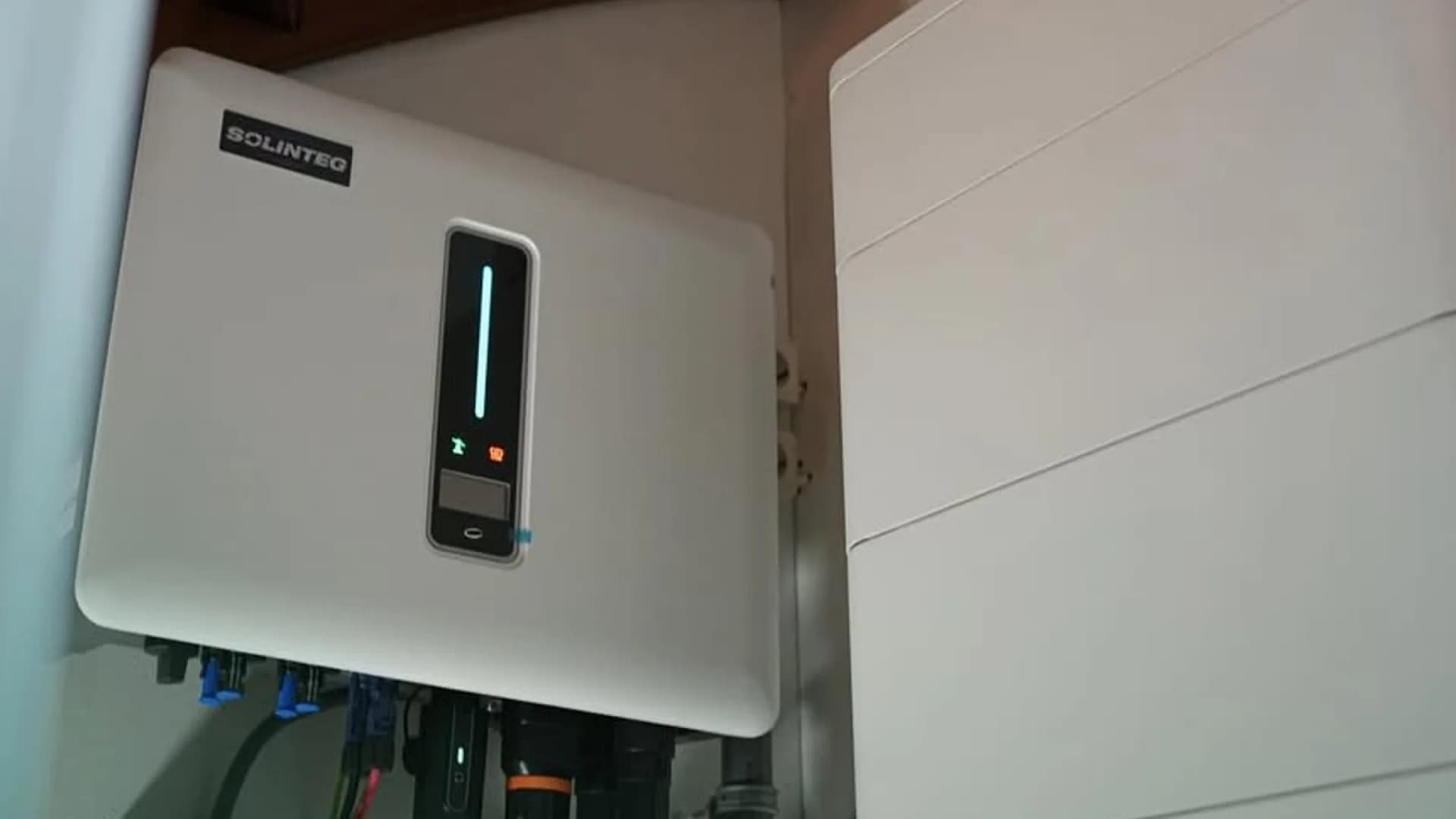
A smart home battery stores today's power for later, so you use more of your own electricity after sunset.
We install your home battery
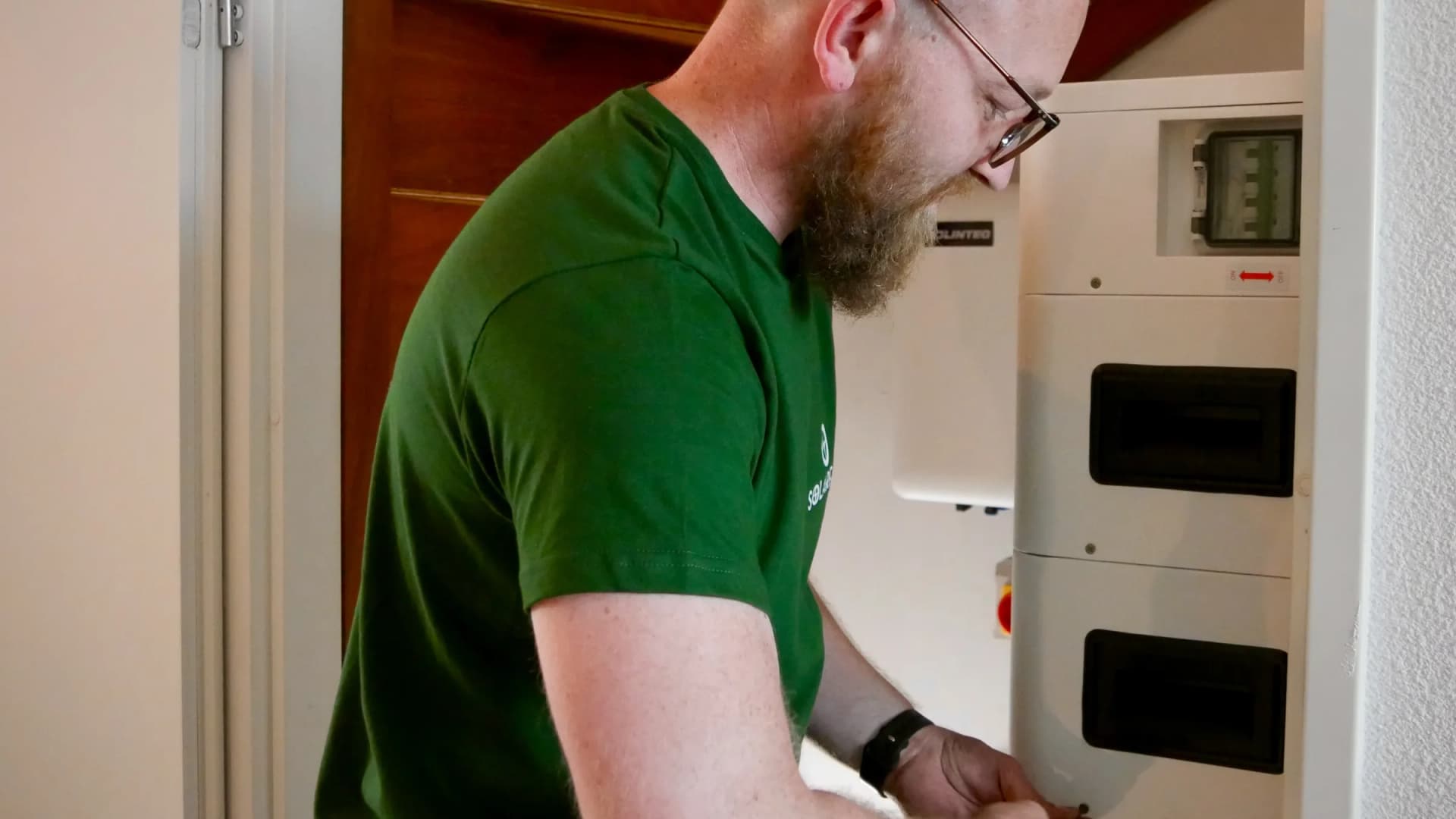
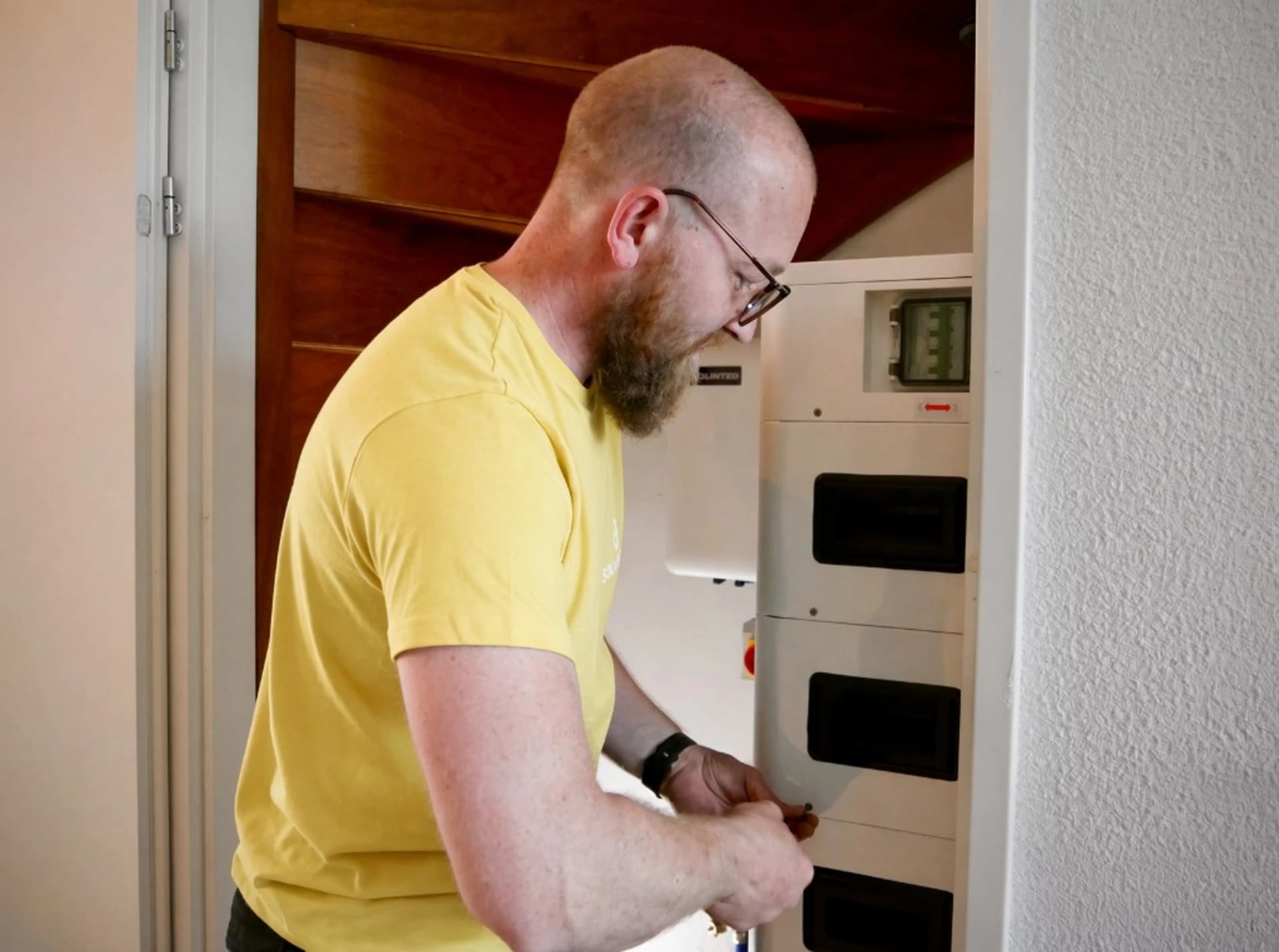
Usually within three weeks. Our installers fit the battery neatly and safely by your fuse box. We leave your home clean and make sure you know exactly how it all works.
- Charge smart when power is cheap
- Keep power until you need it
Frequently asked questions
No, there is no national purchase subsidy for private owners. Other routes do exist: a VAT refund under conditions, the occasional local scheme from a municipality or province, the EIA deduction for businesses and a favourable loan via the Warmtefonds.
No. The ISDE covers insulation, ventilation, heat pumps, solar water heaters, heat network connections and electric cooking. Home batteries are not on the list. How to apply for ISDE on a heat pump is in heat pump subsidy.
Under conditions, yes, if you trade electricity with the battery. The step-by-step plan is in reclaiming VAT on a home battery. You get a first estimate from the VAT refund check.
No. The zero rate only applies to solar panels; a battery carries 21 percent VAT. How you can still reclaim that VAT is in reclaiming VAT on a home battery.
That varies by place and by year. Some municipalities and provinces run a scheme, usually with a limited budget. Check the Energiesubsidiewijzer by Milieu Centraal and your own municipality's website for the current position.
The energy investment allowance is a Dutch tax scheme for businesses: deduct 40 percent of the investment from profit. The battery must meet the Energy List requirements, including at least 15 kWh of storage. The EIA does not apply to private individuals.
Yes. The national Warmtefonds finances home batteries up to 8,500 euros through its energy-saving loan, provided you have solar panels or install them at the same time and an installer connects the battery. Below a household income of 60,000 euros the rate is 0 percent. It remains a loan, not a subsidy.
That is up to politics and cannot be predicted. At the time of writing no national purchase subsidy has been announced. The current position is published by the RVO; our quotes only count schemes that actually apply today.

Discover what smart energy can do for you
In about an hour you get insight into your savings, the options for your home and when the investment pays back. Straightforward, honest advice so you know exactly where you stand.
Smart energy at home
- Upgrade your home with our smart battery
- Our solar panels deliver up to 25% more energy
- A heat pump to minimise your energy use
- Charge your electric car easily at home with an EV charger
Booking an advice call is easy
Fill in your details below. Within a day we will contact you to schedule a no-obligation advice call together.
Related articles