Smart grid control
Updated on 7 min read
Grid control and net-aware charging: how your supplier steers your charger, home battery or heat pump, what you notice and whether you get paid.
All articles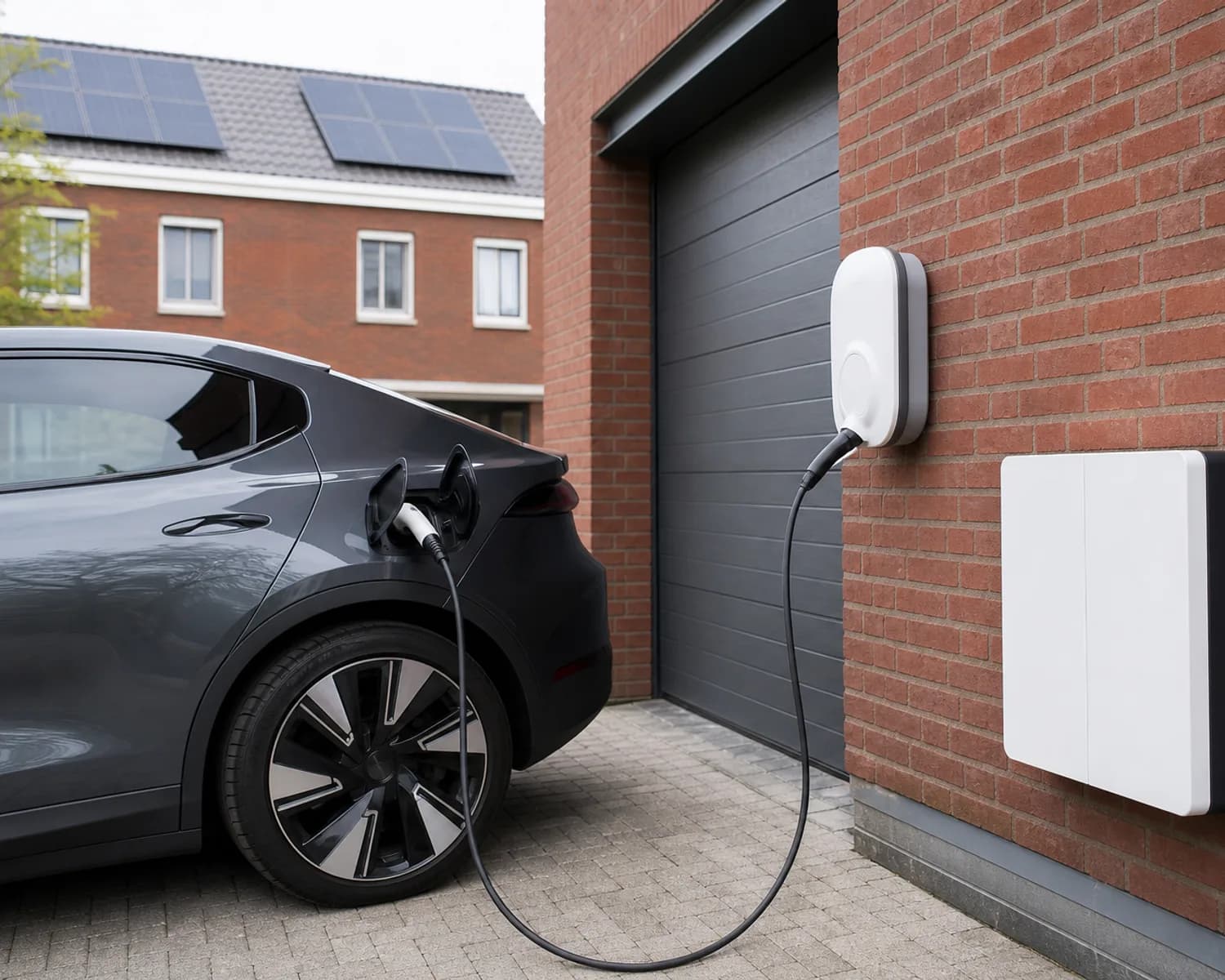
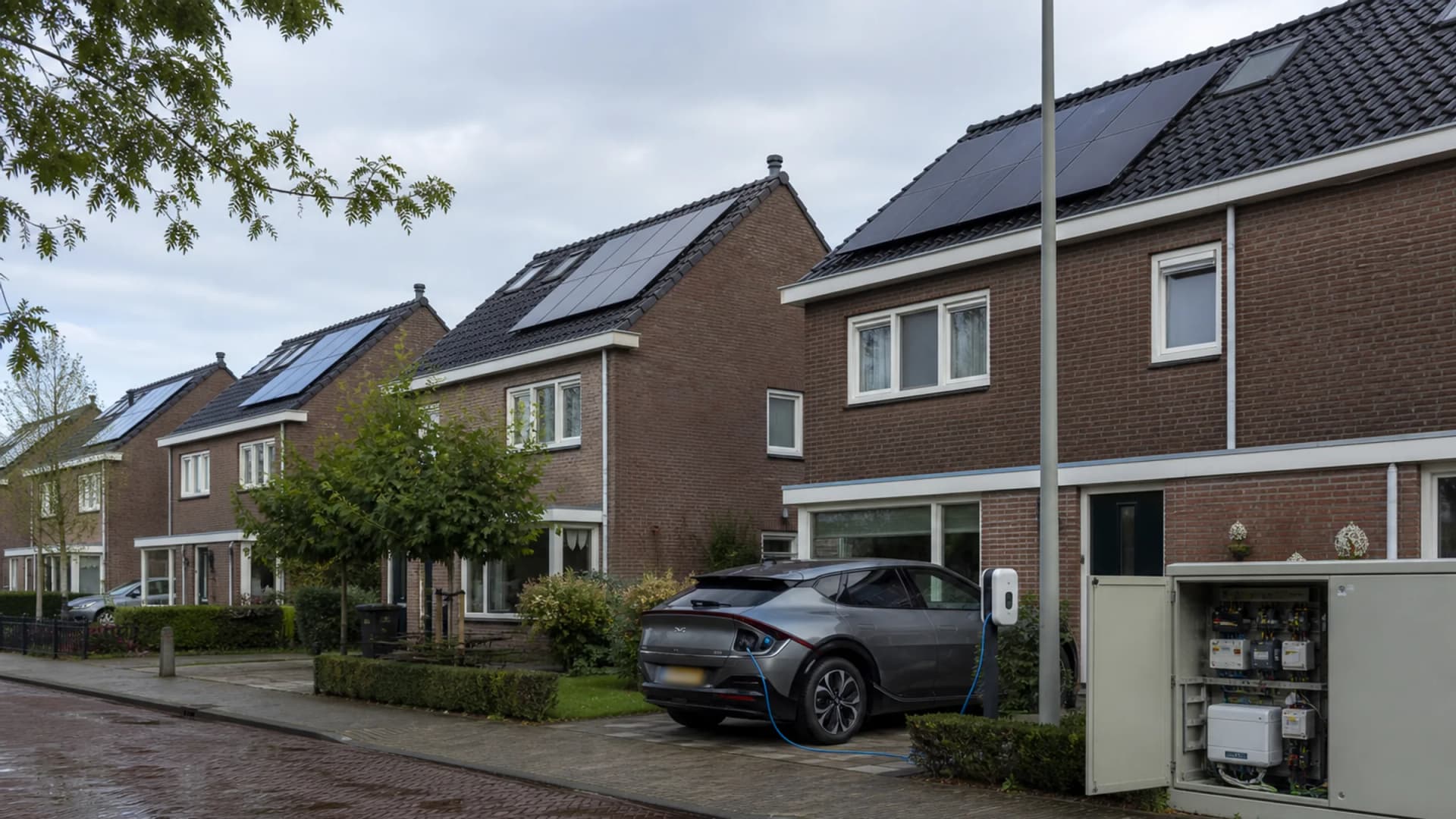
Grid control means your EV charger, home battery or hybrid heat pump is nudged during busy moments so the grid peaks less. It runs through your energy supplier, it is voluntary, and you barely notice it in normal use.
What is grid control?
 Home battery
Grid control is the smart steering of devices that use or store a lot of power: your EV charger, home battery or hybrid heat pump. The aim is not to use less power, but to shift when you use it to a quieter moment on the grid. In industry terms this is also called net-aware charging.
Regional grid operators work with energy suppliers to ask households to let their equipment take part during peaks. The grid operator knows when the network is under pressure and makes compensation available; the supplier steers your device and makes you an offer.
Note the difference with steering your own home energy. Grid control helps the network; steering yourself optimises for your own bill. You can do both.
Why do grid operators want flexibility?
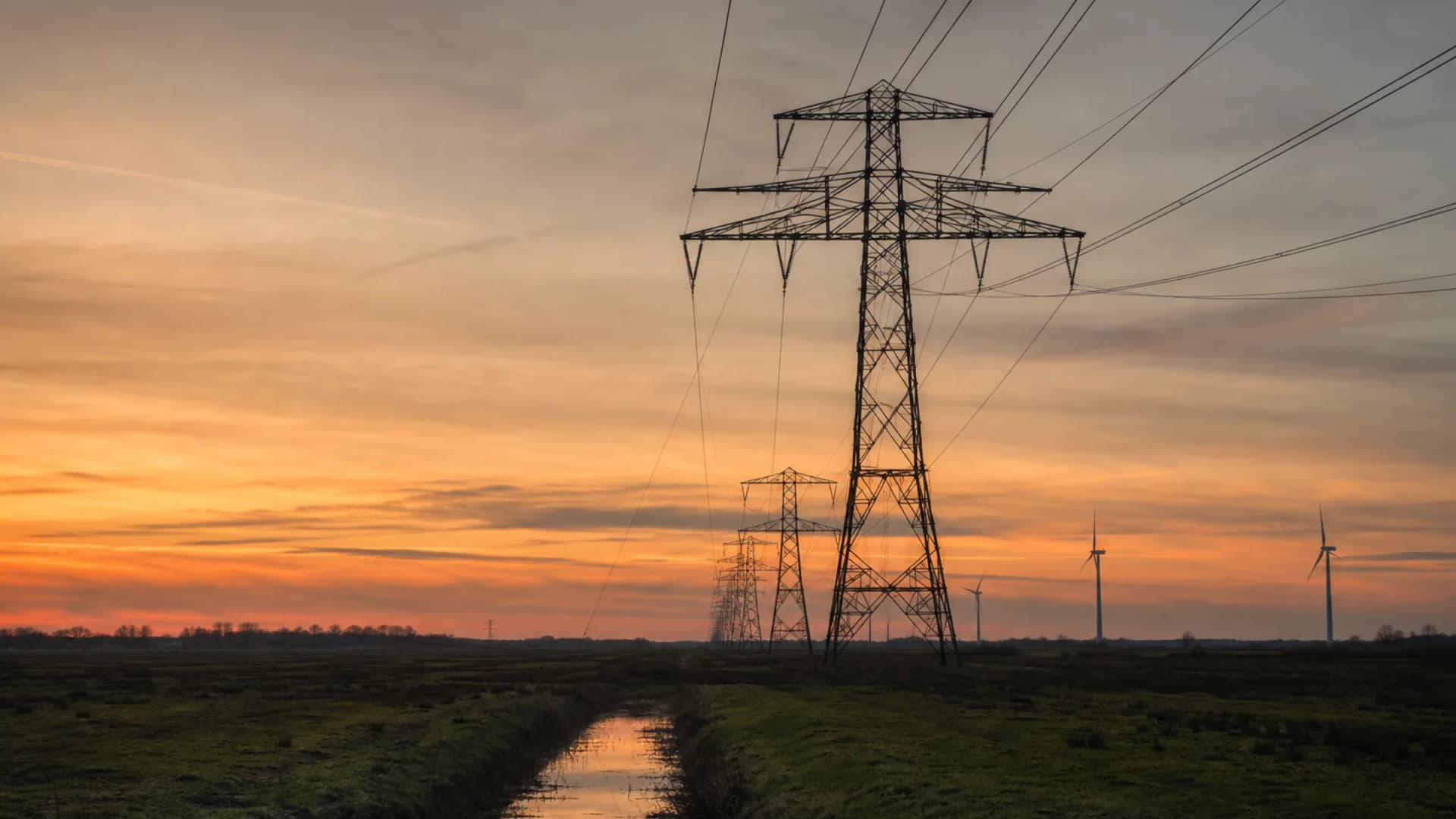
The grid is hitting its limits in many neighbourhoods. Reinforcement takes years, while solar panels, electric cars and heat pumps already push demand to peak, especially between 4 pm and 9 pm in winter.
Regional grid operators manage the local network; TenneT coordinates nationally. Flexible devices buy time: a car that charges later or a battery that waits lowers that evening peak while reinforcement continues.
Flexibility from grid operators, businesses and households is needed to keep the energy transition affordable and reliable. Grid control is one concrete part of that for homes.
How does grid control work in practice?
Grid operators cannot steer your home charger directly. The route runs through energy suppliers: you sign up, give permission through a contract, and steering happens automatically in the background. In normal use you barely notice it: your car is ready in the morning and your home stays warm. Read more about that chain in Liander's explanation of net-aware home charging.
Taking part is voluntary; the choice is yours. The programme runs in selected neighbourhoods and expands step by step. Which postcodes and suppliers take part changes: see our blog post for the current state, or ask us.
What do you notice per device?
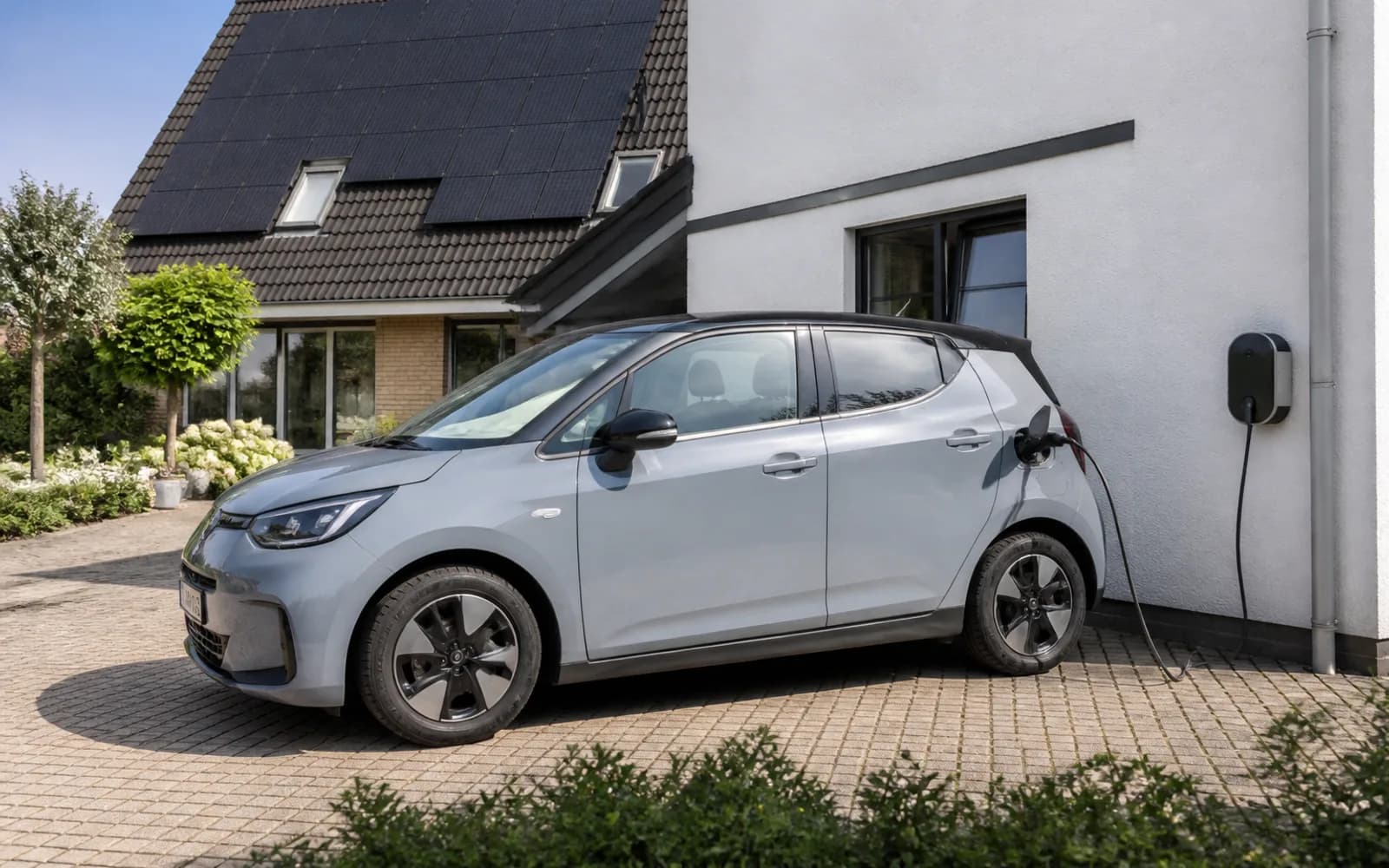
EV charger: during peaks, often between 5 pm and 9 pm, charging power is temporarily limited. Your car then continues charging automatically. Example: you arrive home at 6 pm and plug in. Charging power dips for a while, but the car is ready again in the morning. In a pilot by Enexis and Liander with around 330 households, charging power during the evening peak (5 pm to 9 pm) fell by as much as 68% among participants on a fixed charging rate, Enexis reports.
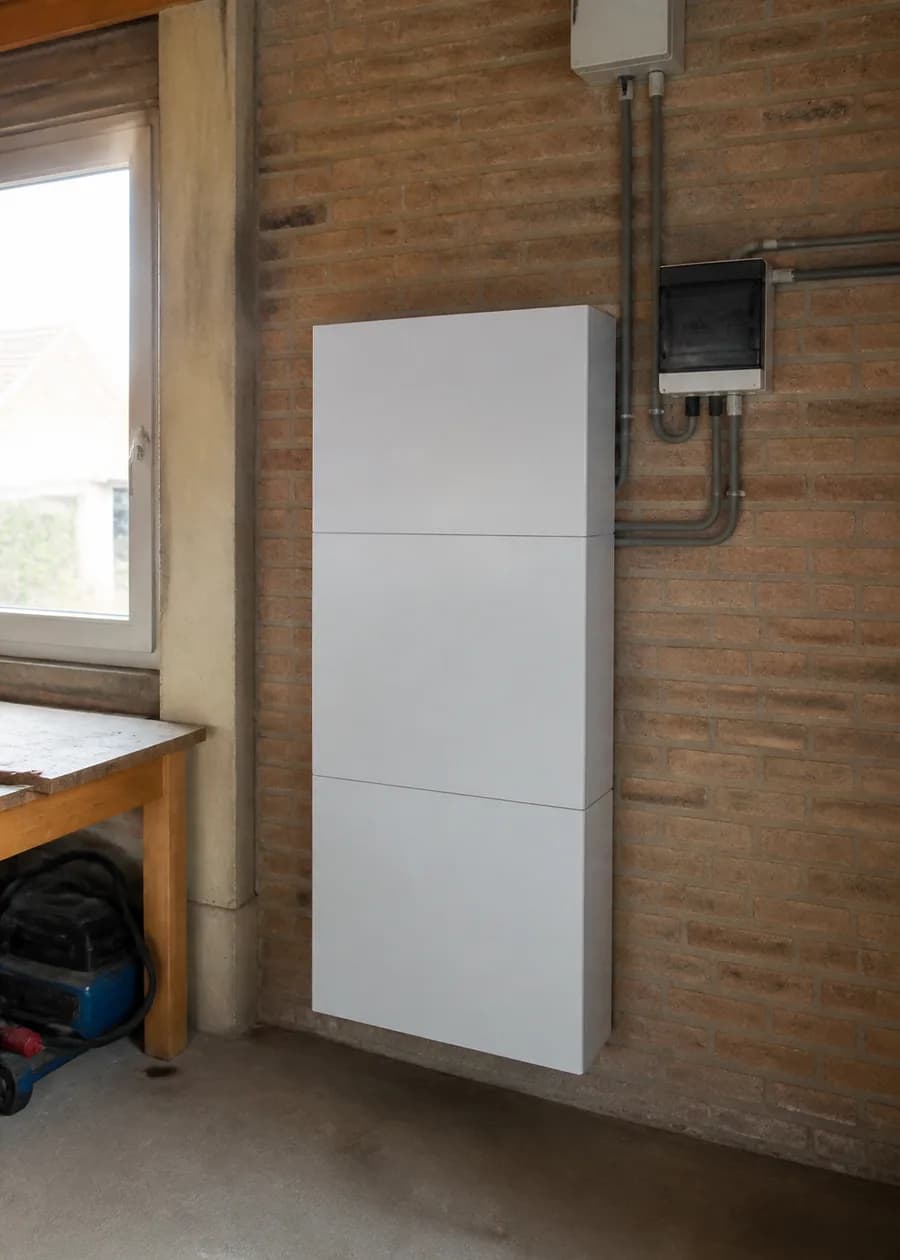
Home battery: your supplier can delay charging or discharging, or feed power back to the grid when that helps. For summer, grid operators are exploring whether home batteries can absorb solar surplus, so there is less peak on the grid on sunny afternoons.
Hybrid heat pump: the unit can temporarily heat less on electricity and briefly switch to gas so the home stays warm while the grid is relieved. All-electric heat pumps fall outside the current scheme unless your supplier offers that separately.
Which suppliers and brands take part?
You sign up with your energy supplier, not the grid operator. Participating suppliers include Frank Energie and Vattenfall; for chargers also Easee; for hybrid heat pumps Greenchoice with Intergas and Remeha. Whether you can take part depends on postcode, device and contract.
The device must be steerable remotely; sometimes a smart meter or software update is needed. Other providers can join as the programme grows.
At SolarFast we pick charger and battery brands that can be steered remotely, so you can join later without replacing everything. Ask in your quote which combinations your supplier supports.
Do you get paid?
Yes, compensation usually applies when you make flexibility available. It runs through your energy supplier, with money grid operators make available when the network is under pressure. The amount differs per contract; there is no fixed national rate.
There is no fixed national rate that applies to everyone. How much and when you are paid differs per supplier and contract. Expect a modest bonus, not an earner.
Grid control, smart steering and dynamic contracts
Grid control: your supplier steers your device to lower grid peaks, voluntarily and for the network. Smart steering: you or your system pick the best moment for your own bill. Dynamic contract: you pay the hourly market price and shift use to cheap hours. A fourth route is trading on the imbalance market, where your battery automatically responds to TenneT's quarter-hourly prices.
Three different goals, which you can combine if your equipment supports it. In pilots, net-aware charging also worked alongside fixed and dynamic tariffs; grid operators saw the biggest shift among households on a fixed rate. More background is on Enexis on net-aware home charging.
Common misconceptions
There are quite a few myths around grid control. The grid operator cannot just take over your equipment, your panels are not steered, and taking part is voluntary. Steering always runs through your energy supplier and only with your consent through a contract.
- The grid operator cannot just take over your battery. Steering runs through your energy supplier and only with your consent.
- Your solar panels are not steered. Grid control targets your charger, home battery or heat pump.
- Taking part is not mandatory. And grid control does not replace reinforcement: it is an addition to grid investment, not a replacement.
Grid control and your SolarFast system
At SolarFast we pick inverters, batteries and charger brands that can be steered remotely. HyxiPower and KStar we link to Frank Energie if you take their dynamic contract or already have one; Dyness is steered through Smart Grid One. During the survey we check your fuse box, smart meter and whether you can join later, including in owners' associations.
At SolarFast our fitters usually install within three weeks of agreeing. That way you avoid replacing everything in a few years just to take part.
Solar panels are still a smart investment in 2026. A few things matter if you want the most from your own power.
Your energy use
Planning to drive, cook or heat electrically? Factor that into how many panels you install now.
Spread the yield
Spread panels across roof faces so you generate through the day and use more of your own energy.
Your data
Choose a system with its own 4G connection and data storage in Europe so your information stays secure.
Boost your energy
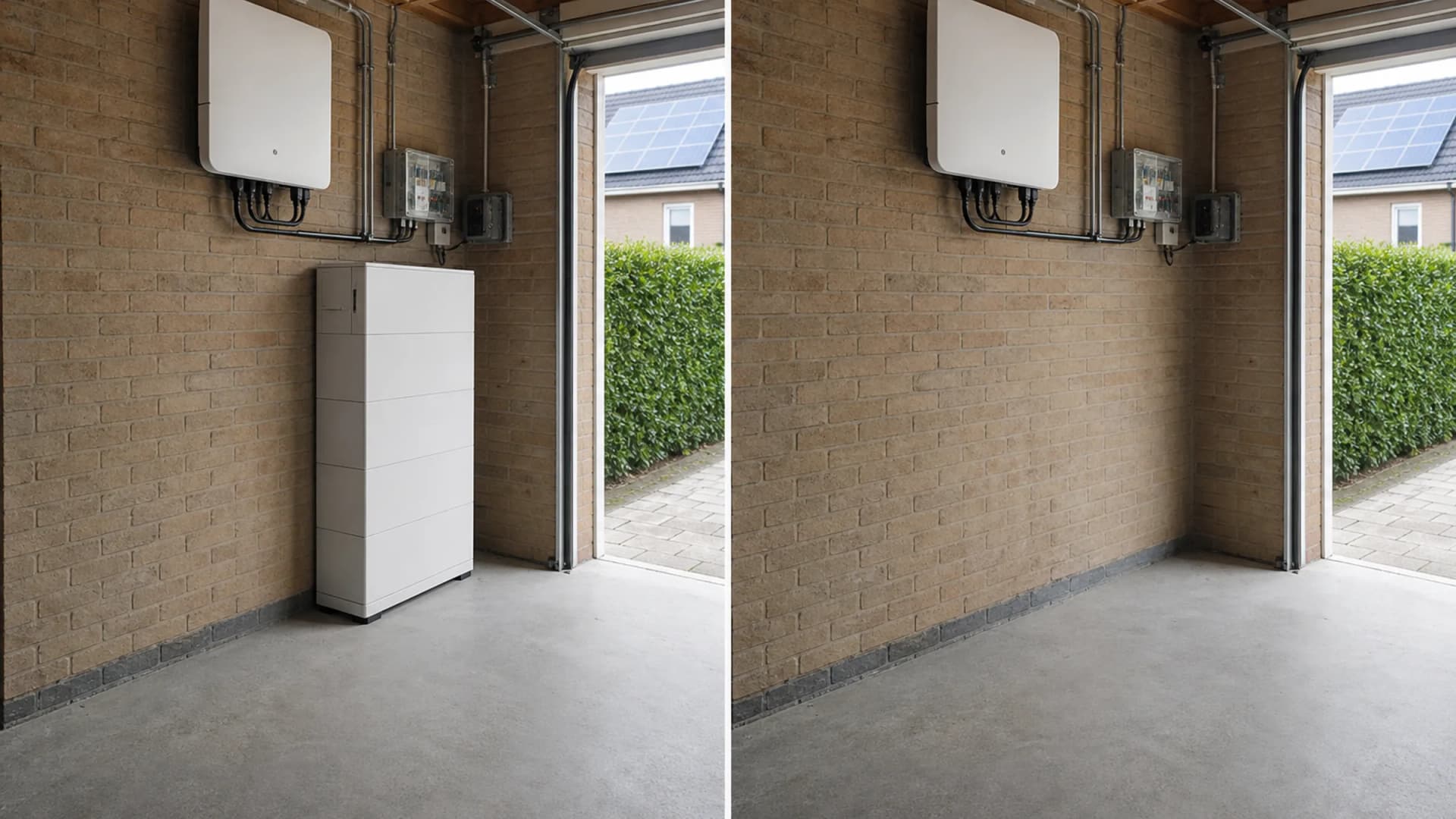
A smart home battery stores today's power for later, so you use more of your own electricity after sunset.
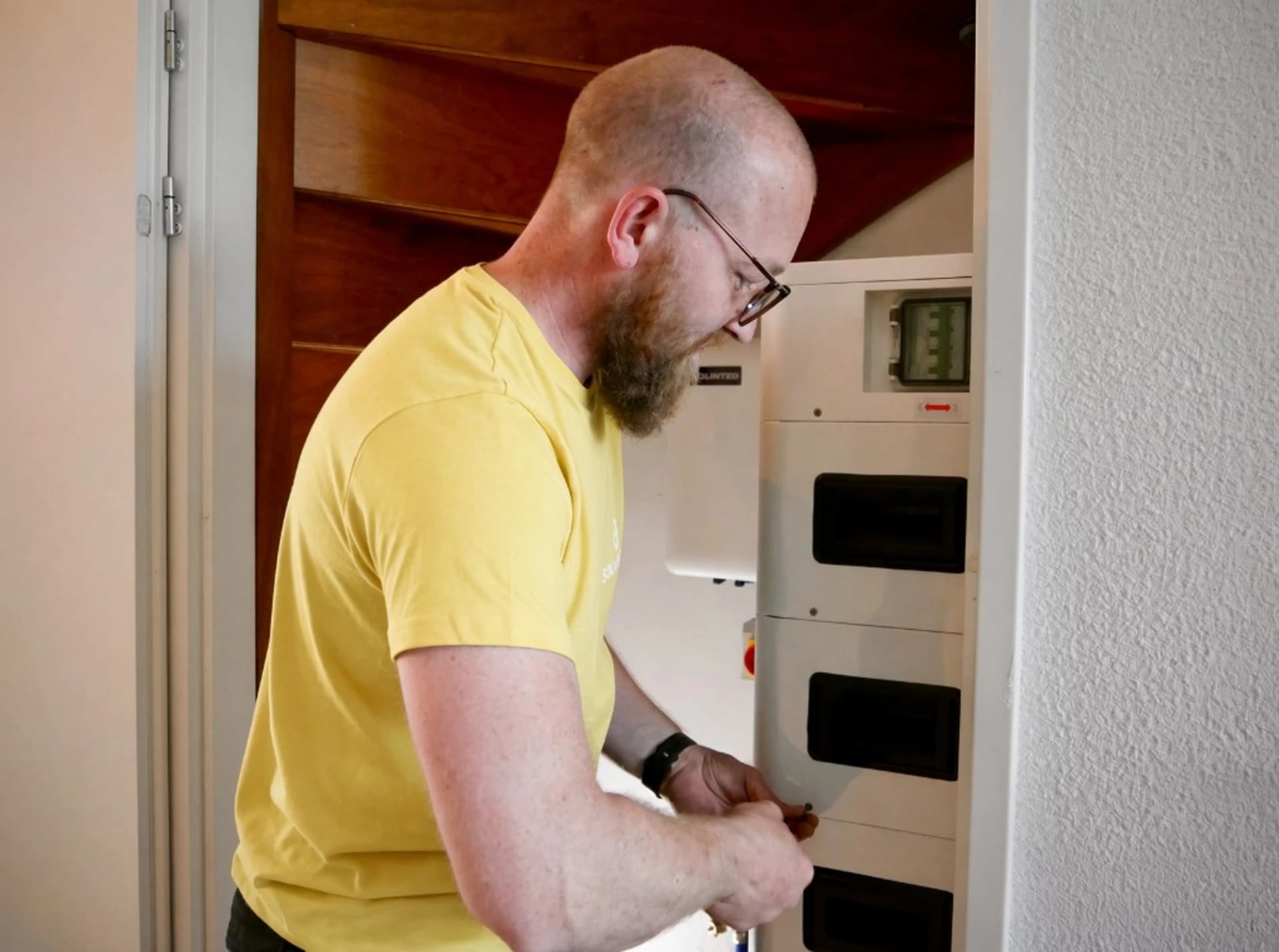
We install your home battery
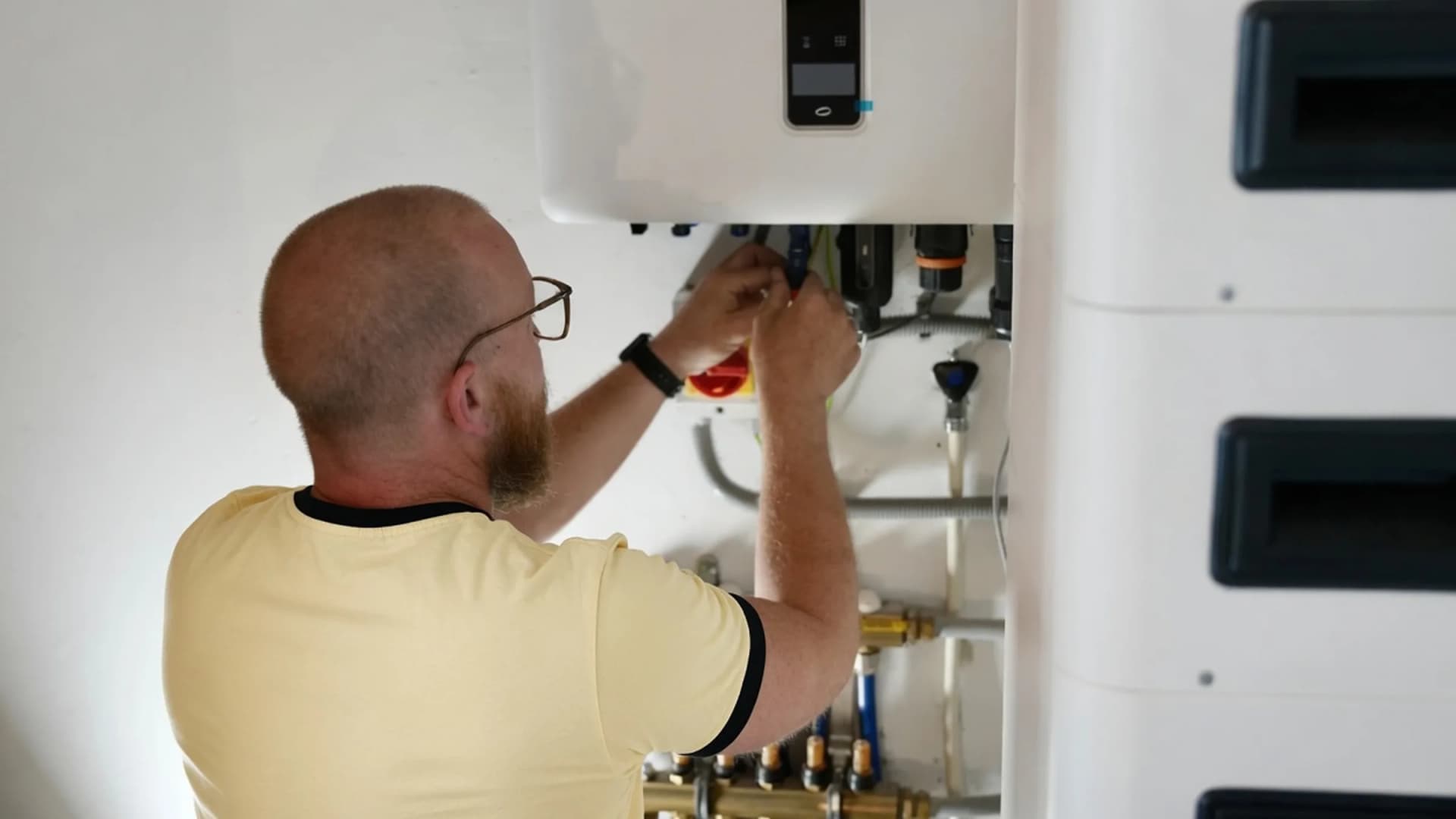
Usually within three weeks. Our installers fit the battery neatly and safely by your fuse box. We leave your home clean and make sure you know exactly how it all works.
- Charge smart when power is cheap
- Keep power until you need it
Frequently asked questions
Net-aware charging is the industry term for grid control: your charger, home battery or heat pump is temporarily steered during peaks through your energy supplier so the grid is relieved.
No. Taking part is voluntary. If you do nothing, nothing changes about your charger, battery or heat pump.
No. Grid operators do not steer home charging directly. It runs through your energy supplier and only if you have agreed.
Not automatically. The device must be steerable remotely and your supplier must support it. Ask which brands take part before you buy.
Sometimes yes. Whether you can join depends on your device, supplier and postcode. A smart meter or software update may be needed. Check with your supplier or ask us when you request a quote.
There is compensation through your supplier, with money from grid operators. There is no fixed national rate; the amount differs per contract.
With a dynamic contract you respond to the hourly price yourself. With grid control your supplier steers the device to lower grid peaks. You can combine the two.
No. Steering applies to charger, home battery and heat pump, not panels. Your home battery can absorb solar surplus in summer.
Through your energy supplier. Check postcode, device and contract. Our blog explains the steps and current regions.

Discover what smart energy can do for you
In about an hour you get insight into your savings, the options for your home and when the investment pays back. Straightforward, honest advice so you know exactly where you stand.
Smart energy at home
- Upgrade your home with our smart battery
- Our solar panels deliver up to 25% more energy
- A heat pump to minimise your energy use
- Charge your electric car easily at home with an EV charger
Booking an advice call is easy
Fill in your details below. Within a day we will contact you to schedule a no-obligation advice call together.
Related articles