Smart home energy control: increase self-use
Updated on 7 min read
Use more of your own power by timing your charger, home battery and household use. When self-steering pays off and how grid control differs.
All articles
Steering your home energy smartly means you decide when you use, store or feed back power. That way you use more of your own solar and pay less. You do it with your inverter, a home battery and smart devices, and it is separate from your grid operator's flex programme.
What does steering your home energy mean?
 Home battery
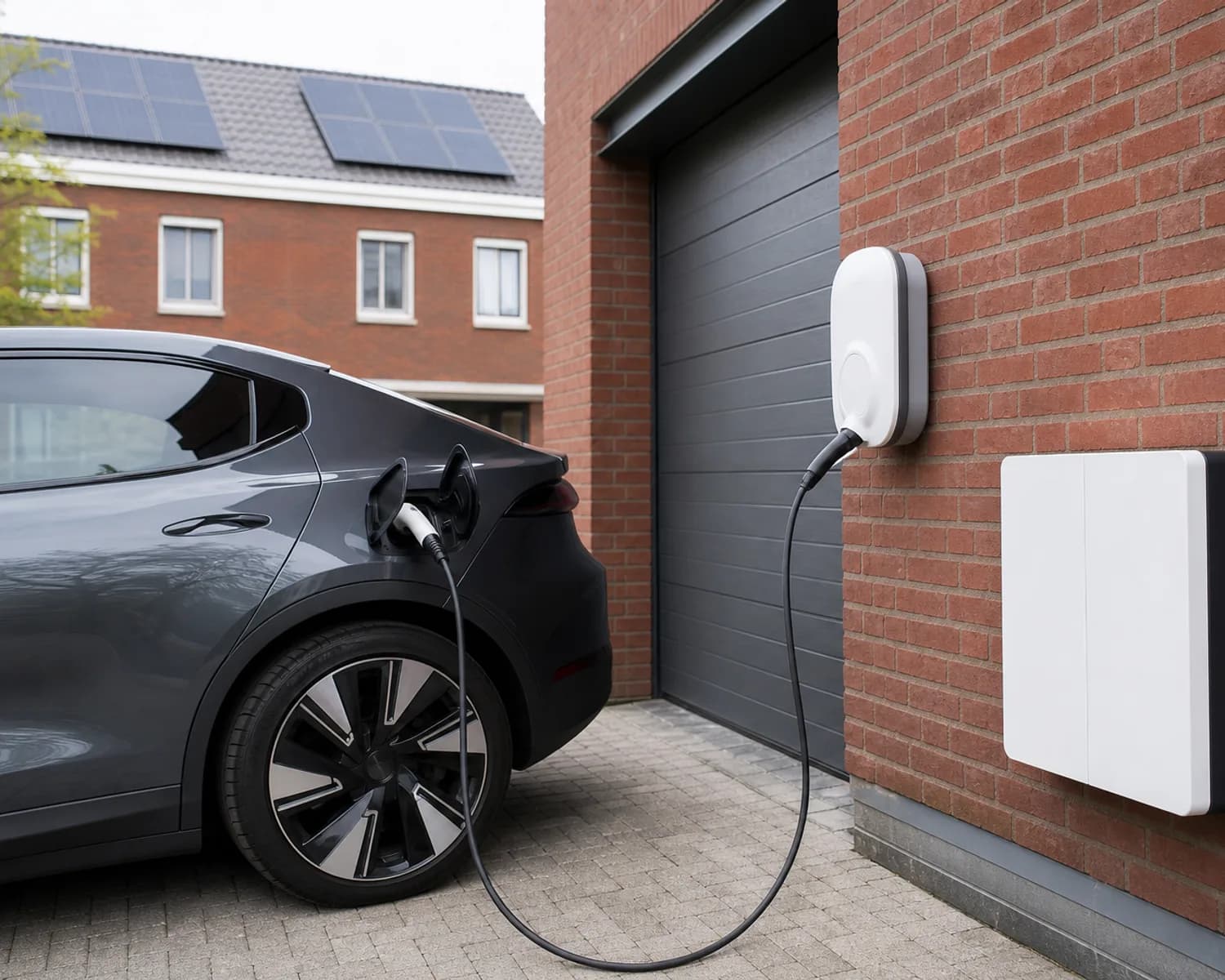
Steering is not about using less power, it is about picking the right moment. Run the washing machine while the sun is on your roof. Fill your battery with the midday surplus instead of feeding it back for a few cents. Charge the car when the price is low. Each time you move use or storage to the moment that pays off most.
The more you generate yourself, the more this matters. A household without panels can mainly steer on price via a dynamic contract. With panels, the biggest gain is added: using as much of your own solar as possible instead of buying it back expensively in the evening. Estimate how much you can generate in our guide on solar panel yield.
Self-steering, grid control or a dynamic contract
Three terms that often get mixed up, each with a different goal. Self-steering is for your own bill: you shift use and storage to smart moments. Grid control is your supplier nudging your charger, battery or heat pump at peak times to relieve the grid. A dynamic contract mainly helps you steer on hourly rates. This page is about self-steering; how grid control (netsturing) via your supplier works is covered separately.
| Self-steering | Grid control | Dynamic contract | |
|---|---|---|---|
| Goal | Use more of your own solar, buy back less | Lower grid peaks | Use cheap hours |
| Who steers | You or your system | Your energy supplier | You or your system (on price) |
| Typical devices | Panels, battery, charger, heavy loads | Charger, battery, hybrid heat pump | Battery, charger, washing machine |
| Voluntary | Yes | Yes | Contract choice |
You can combine approaches if your hardware supports it. Grid operators are working on time-varying grid tariffs so quieter hours cost less; that fits self-steering and a dynamic contract. What the proposal entails is covered in our blog on the new grid tariffs; more on grid control: netsturing explained.
The knobs you can turn at home
In practice, steering comes down to a few knobs you can turn or automate at home. You run heavy loads while your panels generate, fill your battery with midday surplus, follow hourly rates or cap feed-in. You do not necessarily need a separate energy management system: a lot already sits in your inverter, battery app or charger.
| Knob | What it does |
|---|---|
| Use power during the day | Run heavy appliances while your panels generate |
| Fill the battery | Store midday surplus for evening use |
| Follow the price | Charge and run during cheap hours (dynamic contract) |
| Limit feed-in | Store surplus in the battery first; fewer inverter drop-outs when grid voltage is high |
Feed-in and net metering are changing; read net metering explained for how fed-back power affects your bill.
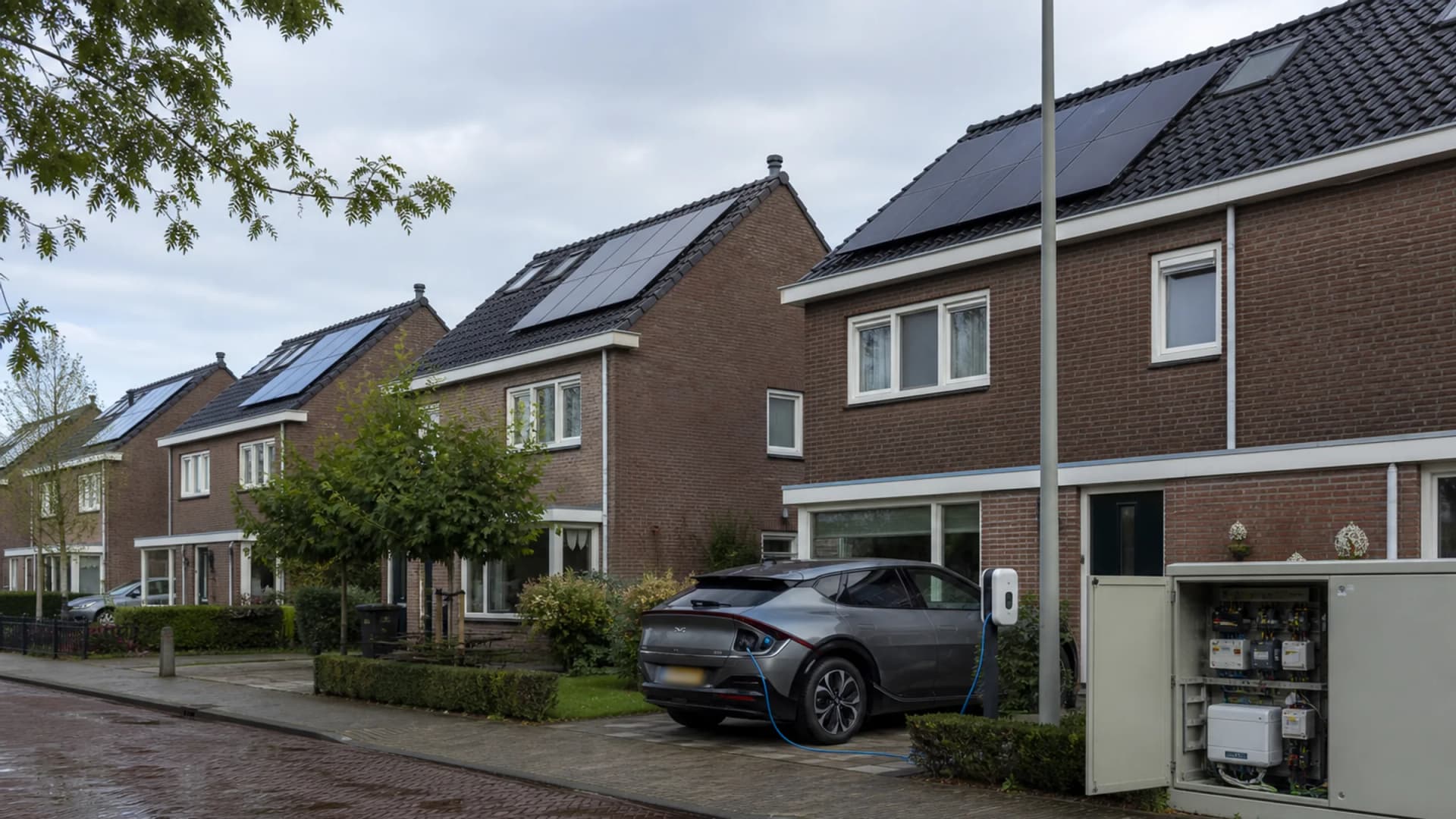
On sunny afternoons grid voltage in your street can rise so high that your inverter throttles itself. By storing surplus in the battery first, or capping feed-in power, you keep more yield. Prefer charging your car after the evening peak: grid operators often see the heaviest load between roughly 5 p.m. and 9 p.m. (Liander on net-aware home charging).
Load (%)
Dayparts (illustrative)
- 22:00-06:0035%
- 07:00-09:0085%
- 12:00-15:0045%
- 17:00-21:00100%
Illustrative daily profile, not measured grid data. Peak in the late afternoon and evening, quieter around midday. Useful for aligning heavy loads and charging.
Grid operators such as Liander and Enexis run programmes like net-aware home charging. That is grid control through your supplier, not the same as self-steering for your own bill.
Insight first, then steering
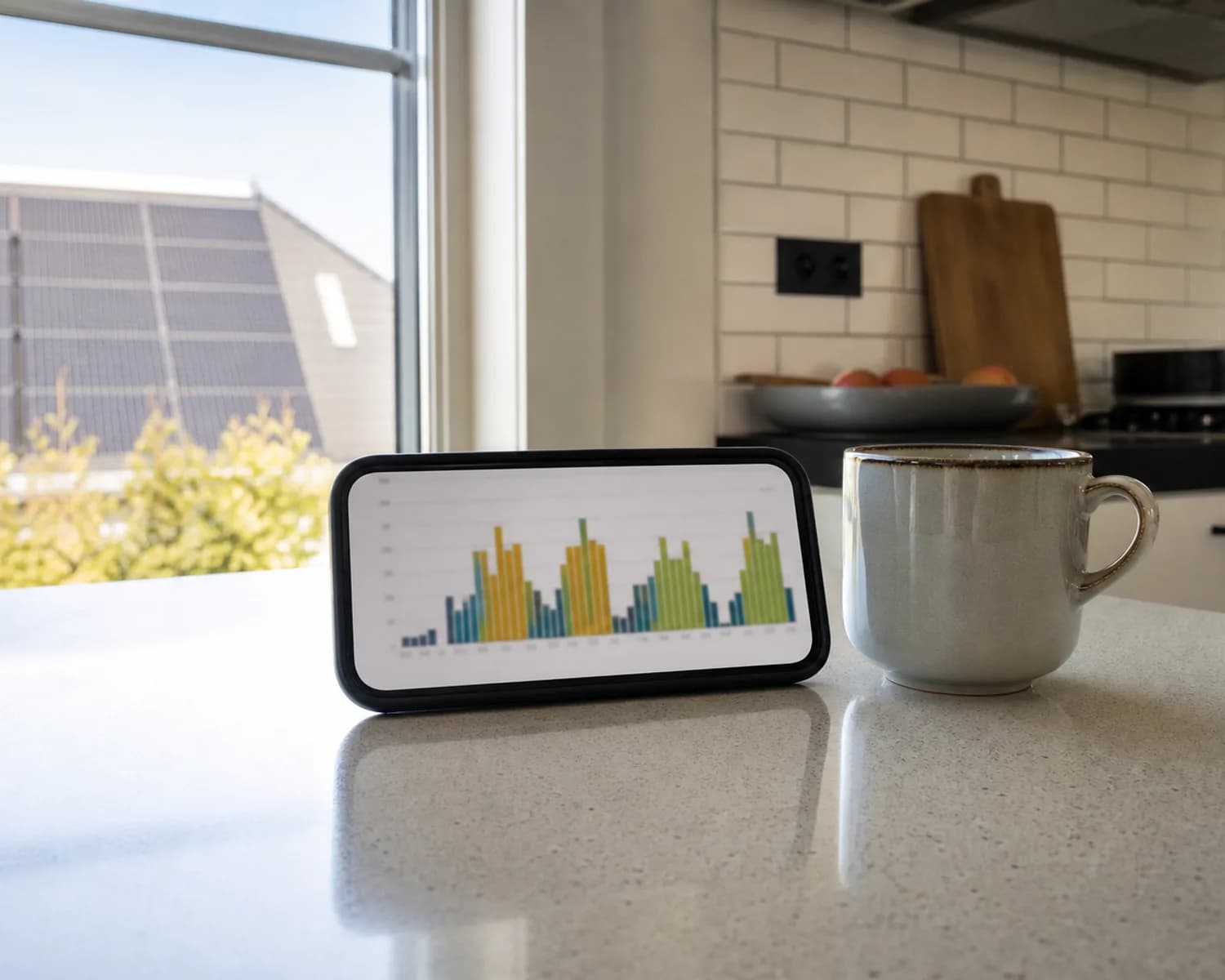
Steering starts with seeing what happens. The app on your inverter or battery shows when you generate, use and feed back. That is monitoring: it makes visible where your solar goes right now and where you leave value on the table. Only with that insight can you shift consciously or automate.
The next step is a system that turns that knowledge into action automatically. It spots a surplus and sends it to your battery or charger, and adjusts when the price or the weather changes. Then you do nothing yourself and still take the gain every day.
If you want to steer several devices from one place, a Home Energy Management System (HEMS) is an option: one layer that aligns panels, battery, charger and heavy loads. More detail is on Liander on HEMS. For most households the inverter or battery app is enough; a separate HEMS is not required to get started.
Unsure whether your setup can do that? Ask us.
What it does and does not solve
The gain is in more self-use and less loss. You buy back less in the evening, feed back less for a low rate, and your inverter drops out less often on busy sunny days. As feeding back pays less, using it yourself matters more. How fed-back power affects your bill is explained by the ACM (Dutch).
Do not expect miracles or an earner. Steering gets more out of what you already have; it does not replace panels or insulation. Compare battery versus net metering in our piece on with or without a home battery. And your comfort stays: a good setup steers in the background, you barely notice it.
How SolarFast makes your system steerable
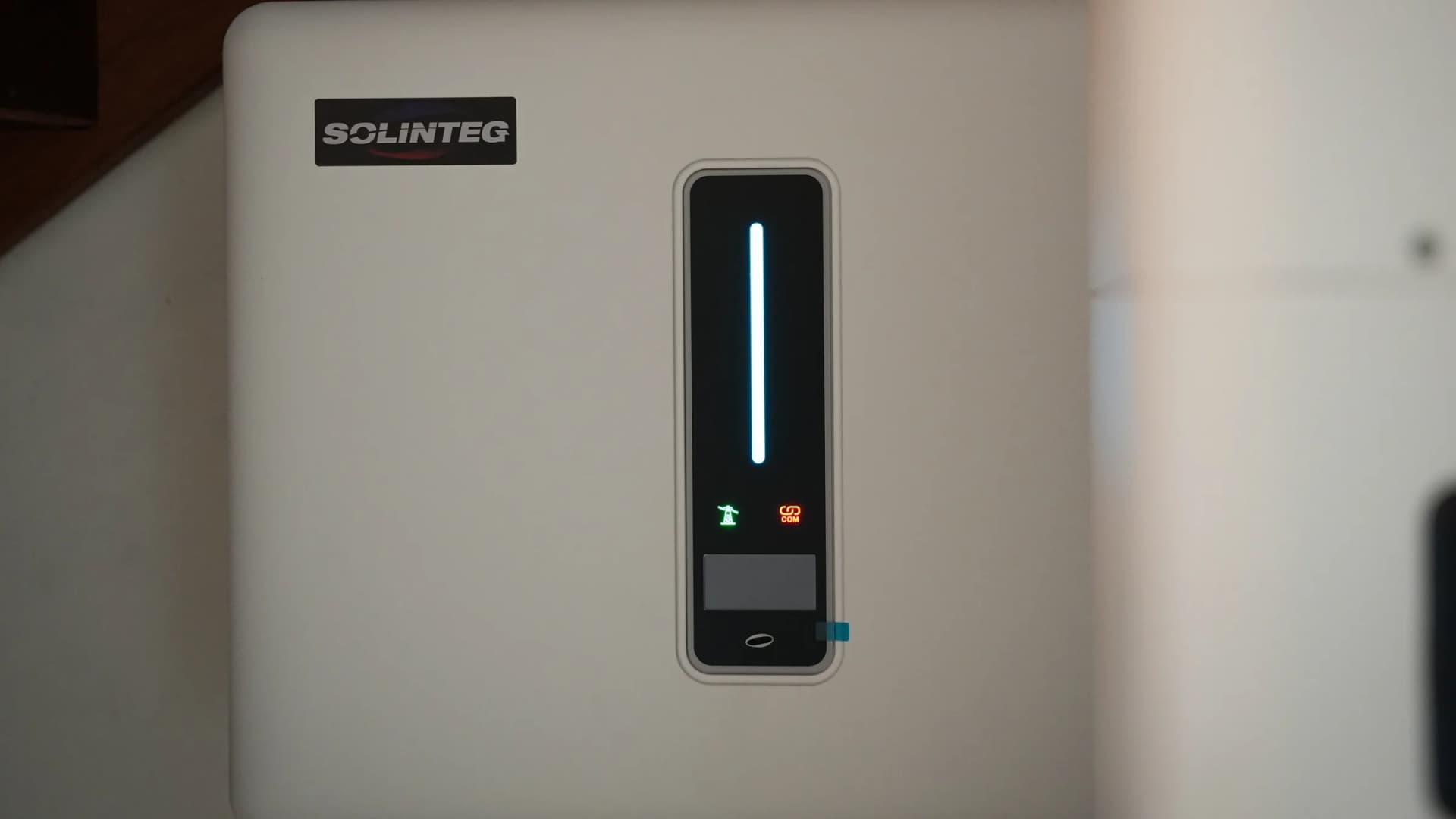
At SolarFast we deliberately pick inverters and batteries that can be linked and steered remotely. HyxiPower and KStar we link to Frank Energie if you take their dynamic contract or already have one; Dyness is steered through Smart Grid One. We fit Enphase as a micro-inverter, not as a home battery. During installation we set the basics right: self-use first, a battery that catches your midday surplus where it fits, and a clean limit so your inverter does not switch off needlessly on sunny afternoons.
If you are thinking about panels, a home battery or an EV charger, we allow for this now. With a dynamic contract through Frank Energie, our energy partner, you can also charge at cheap hours, in line with what net-aware home charging advises: charge outside the evening peak. That way your setup is ready to steer smartly and to join grid control later. Current postcodes and suppliers are in our blog post.
Solar panels are still a smart investment in 2026. A few things matter if you want the most from your own power.
Your energy use
Planning to drive, cook or heat electrically? Factor that into how many panels you install now.
Spread the yield
Spread panels across roof faces so you generate through the day and use more of your own energy.
Your data
Choose a system with its own 4G connection and data storage in Europe so your information stays secure.
Boost your energy
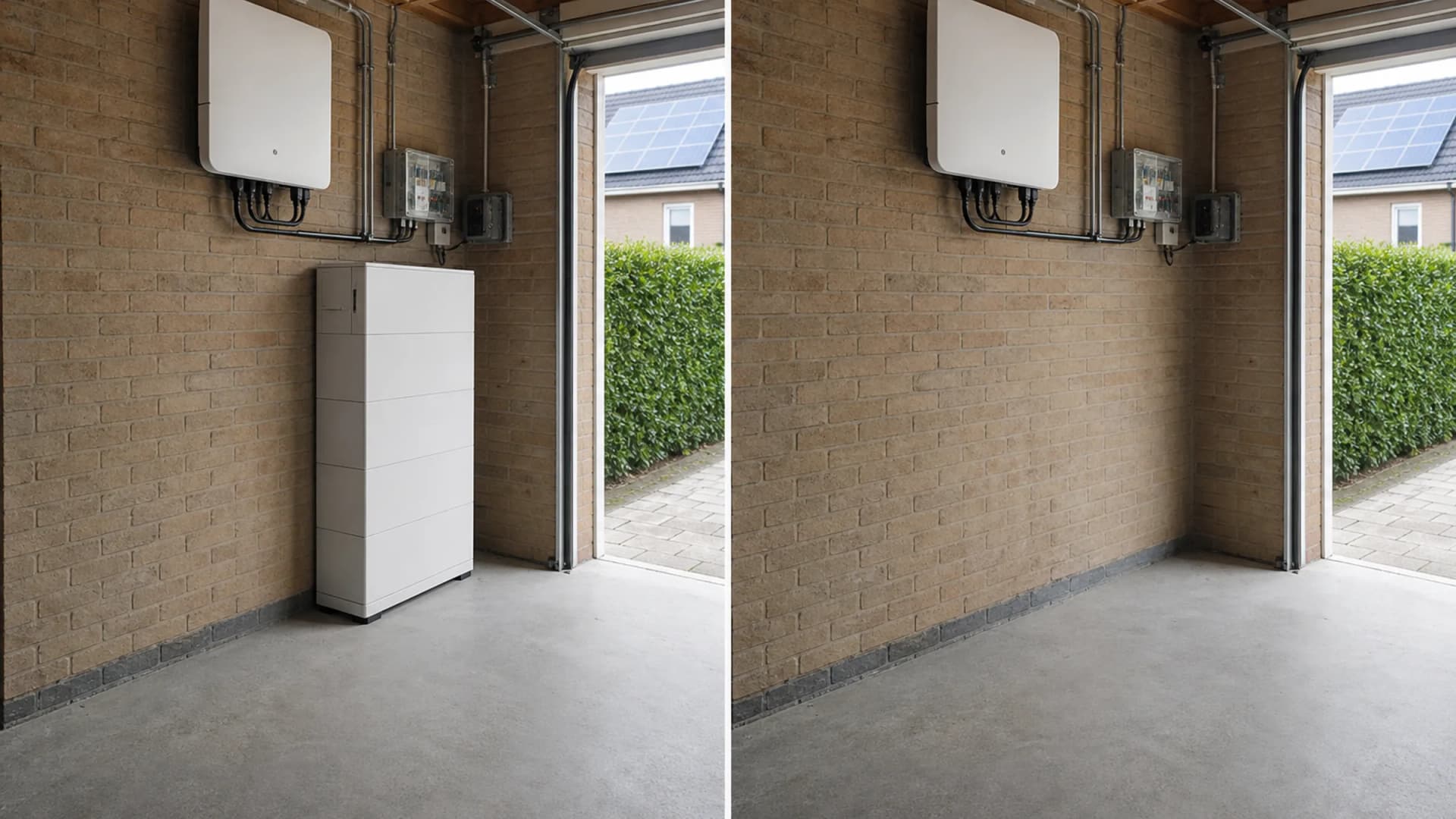
A smart home battery stores today's power for later, so you use more of your own electricity after sunset.
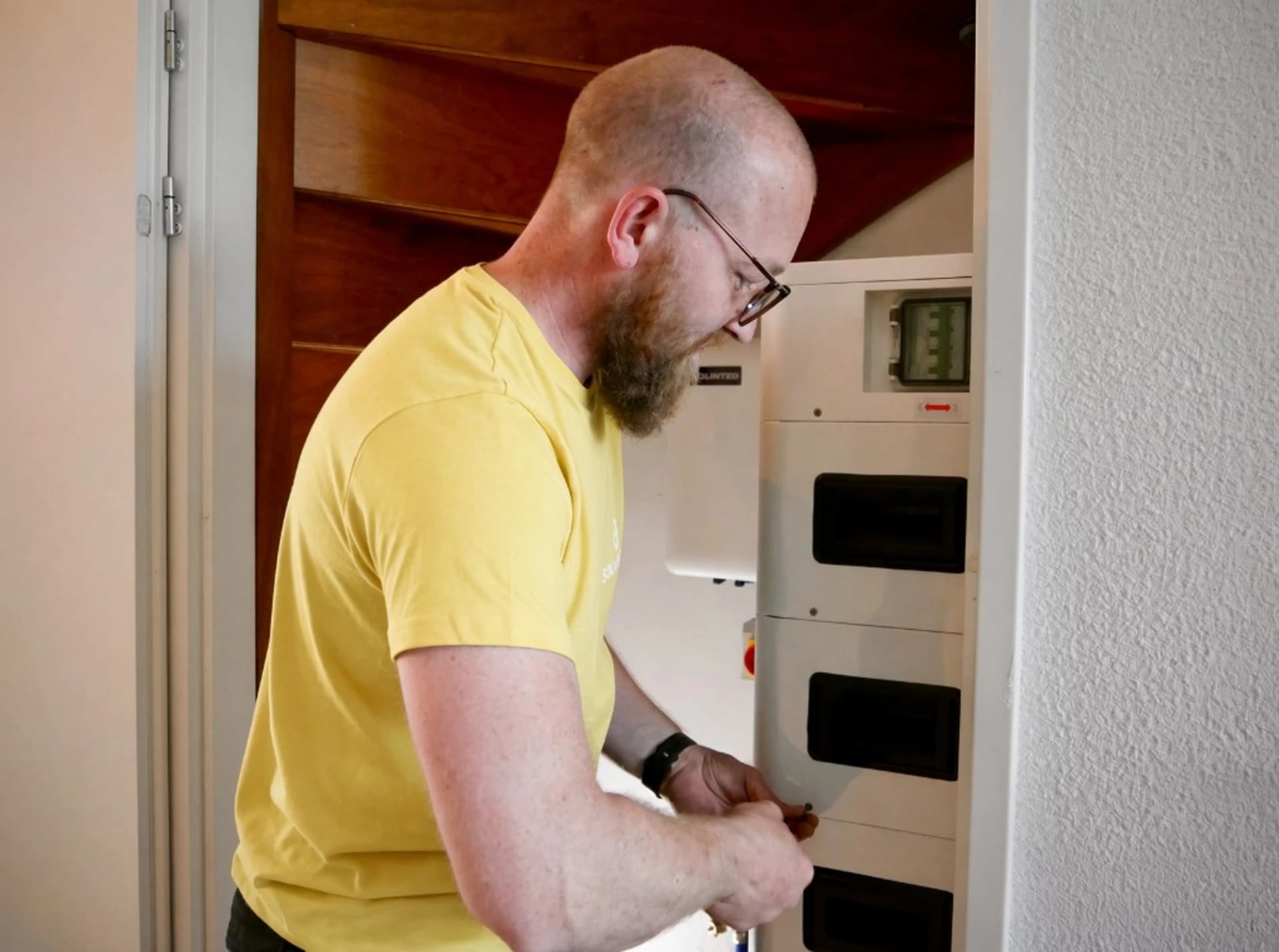
We install your home battery
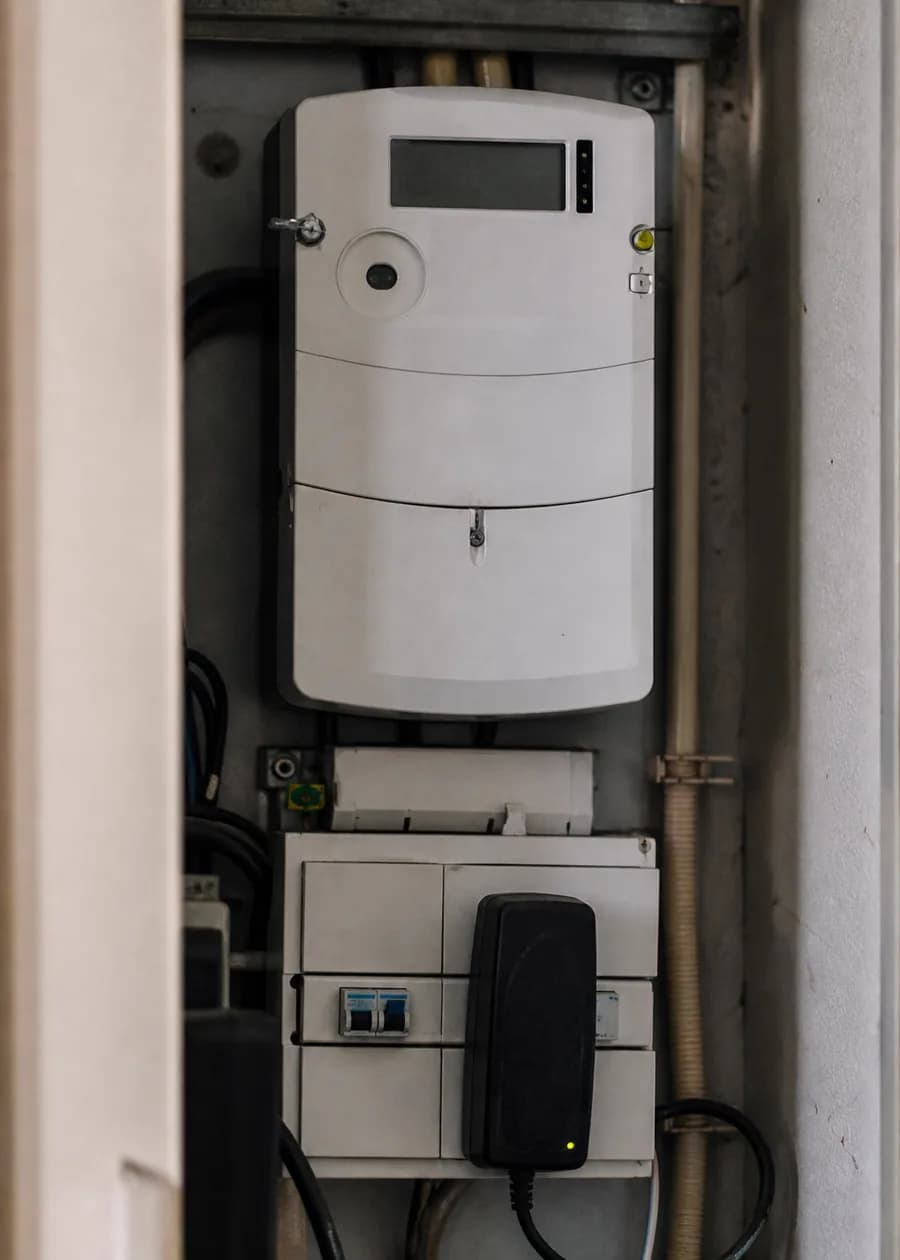
Usually within three weeks. Our installers fit the battery neatly and safely by your fuse box. We leave your home clean and make sure you know exactly how it all works.
- Charge smart when power is cheap
- Keep power until you need it
Frequently asked questions
Run heavy appliances during the day, store midday surplus in a home battery and charge your car outside the evening peak. With a dynamic contract you can also steer on cheap hours. That way you buy back less in the evening.
A HEMS is a central layer that aligns panels, battery, charger and heavy loads. Useful if you combine several devices; for most households the inverter or battery app is enough.
Steering yourself is for your own bill: you use and store your power at the smartest moments. Grid control is your energy supplier nudging your device at peak moments to relieve the grid, voluntarily and with compensation. You can do both at once.
Not necessarily. A lot of steering already sits in your inverter and the app of your battery or charger. A separate system that ties it all together can help if you combine several devices and a dynamic contract, but for most households it is not a condition to start.
Yes. Even without a battery you can gain a lot by running heavy appliances during the day and watching the power price. A home battery increases the effect, because you can then also cover your evening use with your own solar.
In normal use, no. Your inverter can throttle itself when grid voltage is too high, and you can cap your own feed-in, but that is different from switching off your panels remotely. The grid control programme steers your charger, battery or heat pump, not your panels.

Discover what smart energy can do for you
In about an hour you get insight into your savings, the options for your home and when the investment pays back. Straightforward, honest advice so you know exactly where you stand.
Smart energy at home
- Upgrade your home with our smart battery
- Our solar panels deliver up to 25% more energy
- A heat pump to minimise your energy use
- Charge your electric car easily at home with an EV charger
Booking an advice call is easy
Fill in your details below. Within a day we will contact you to schedule a no-obligation advice call together.
Related articles