Proposed time-of-use grid tariffs 2029 for heat pumps
Posted on Updated on 8 min read
Proposed time-of-use and variable grid tariffs from 2029: winter evenings dearer. What that would mean for your heat pump.
All articles
Anyone following Dutch news this week saw firm headlines: heat pump owners would be the victims of new grid tariffs. The trigger is a proposal by the joint grid operators to make grid charges from 2029 partly dependent on when and how much power you use, plus a calculation of what that costs households with a heat pump. In this article we cover what grid tariffs are, what exactly has been proposed, how certain it is, why heat pumps in particular will notice, and what smart steering and a home battery can do about it. Why the grid is congested in the first place is explained in our knowledge base on grid congestion.

What are grid tariffs?
 Heat pump
Grid tariffs are the network charges on your energy bill: the part that goes through your supplier to the grid operator for transport on the electricity grid. They are separate from what you pay for the power itself. Today that is a standing amount for most households, tied to your connection. The proposal makes part of it depend on when and how much you draw from the grid.
What exactly has been proposed?
In early May 2026, Netbeheer Nederland filed a code amendment proposal with regulator ACM on behalf of all grid operators. It concerns the transport tariffs for small consumers: everyone with a connection up to 3x80 amps, so virtually every household. Those tariffs are the part of your energy bill that goes to the grid operator through your supplier, separate from what you pay for the power itself.
Today you pay a fixed grid charge based on your connection. It does not matter how much power you use or when. Under the proposal, two thirds of that charge becomes volume- and time-dependent; one third stays linked to your connection capacity. There will be four price levels and separate summer and winter rates: quiet moments cost less, busy moments cost more.
The most expensive block falls in the winter half-year, October through March, between 4 pm and 11 pm. Exactly the hours when the Netherlands comes home, cooks and turns up the heating.
Time-of-use grid tariffs
Time-of-use grid tariffs mean: the moment you draw power from the grid counts in what you pay the grid operator. The code amendment proposal (Dutch) ties two thirds of the current standing charge to volume and time. Quiet hours would cost less, busy hours more. It is a proposal, not a set tariff.
Variable or flexible grid tariffs
Variable or flexible grid tariffs in this debate point the same way: your network charges move with how busy the grid is. Netbeheer Nederland explains (Dutch) that there would be four price levels and separate summer and winter rates. Flexible here is the grid tariff, not the supply contract with your energy supplier.
Dynamic grid tariffs and dynamic standing charges
Dynamic grid tariffs sound like a dynamic energy contract, but they are a different line. Dynamic supply follows the market price of the power itself, per hour or quarter-hour. Dynamic grid tariffs would let transport charges move with congestion on the grid.
Part stays standing. Under the proposal, one third stays linked to your connection capacity: a standing-charge-like line on your connection, not your supplier's hourly price. Searches for dynamisch vastrecht often mean exactly that split. The rate per price level is not set yet; ACM is still assessing the proposal.
Winter evening versus off-peak hours
The proposal widens the gap between a winter evening and an off-peak hour. The table below follows the blocks in the proposal, not our own calculation.
| Winter evening | Off-peak hours | |
|---|---|---|
| When | October through March, 4 pm to 11 pm | Outside that winter-evening block, plus quieter summer hours |
| What the proposal does | Highest price level for grid use | Lower price level when the grid has room |
| Heat pump | Often runs then: the house needs heat | Less demand, or a buffer if you can shift |
| What you can steer | Laundry, dishes, EV charger preferably not in this block | Appliances and charging can move here |
Blocks according to the grid operators' proposal at ACM. Exact cents per kWh are not set yet.
Why do grid operators want this?
The grid is increasingly full at peak moments, while there is room to spare at quiet times. By making grid use pricier during busy hours and cheaper during quiet ones, the grid operators hope households will spread their consumption. That uses the existing grid better, creates room for new connections and limits how much reinforcement is needed.
The volume component should also divide the costs more fairly: those who draw little from the grid will pay less than those who draw a lot. According to the grid operators, about two thirds of households come out relatively better. The bill shifts to households with high consumption, and that includes heat pumps.
Why heat pumps notice it most
Consultancy Common Futures calculated the proposal's impact for trade association Vereniging Warmtepompen, and that report is the source of the headlines. In the most expensive winter block, the grid charge works out at 21 to 22 cents per kilowatt-hour in their calculation, nearly doubling the variable cost of power in those hours.
A heat pump runs precisely at those moments: cold winter evenings are exactly when your home needs heat. According to the calculation, the energy bill of an average household with an all-electric heat pump rises by about 505 euros per year from 2029, of which 355 euros come from the new time- and volume-dependent tariffs. For a hybrid heat pump it is 422 euros, of which 260 from the new tariffs. For comparison: a household with a gas boiler pays 135 euros per year extra in the same calculation.
The trade association mainly objects to the long seven-hour expensive block, because a heat pump cannot fully avoid those hours. That is what the ACM consultation will still cover.
Important context: the same calculation concludes that a heat pump's cost advantage over a modern gas boiler shrinks by a good twenty percent but remains substantial. Heating with a heat pump stays cheaper than burning gas, also under these tariffs. It is no reason to hold off on sustainability, but it is a reason to manage your consumption more smartly.
What can a home battery do about this?
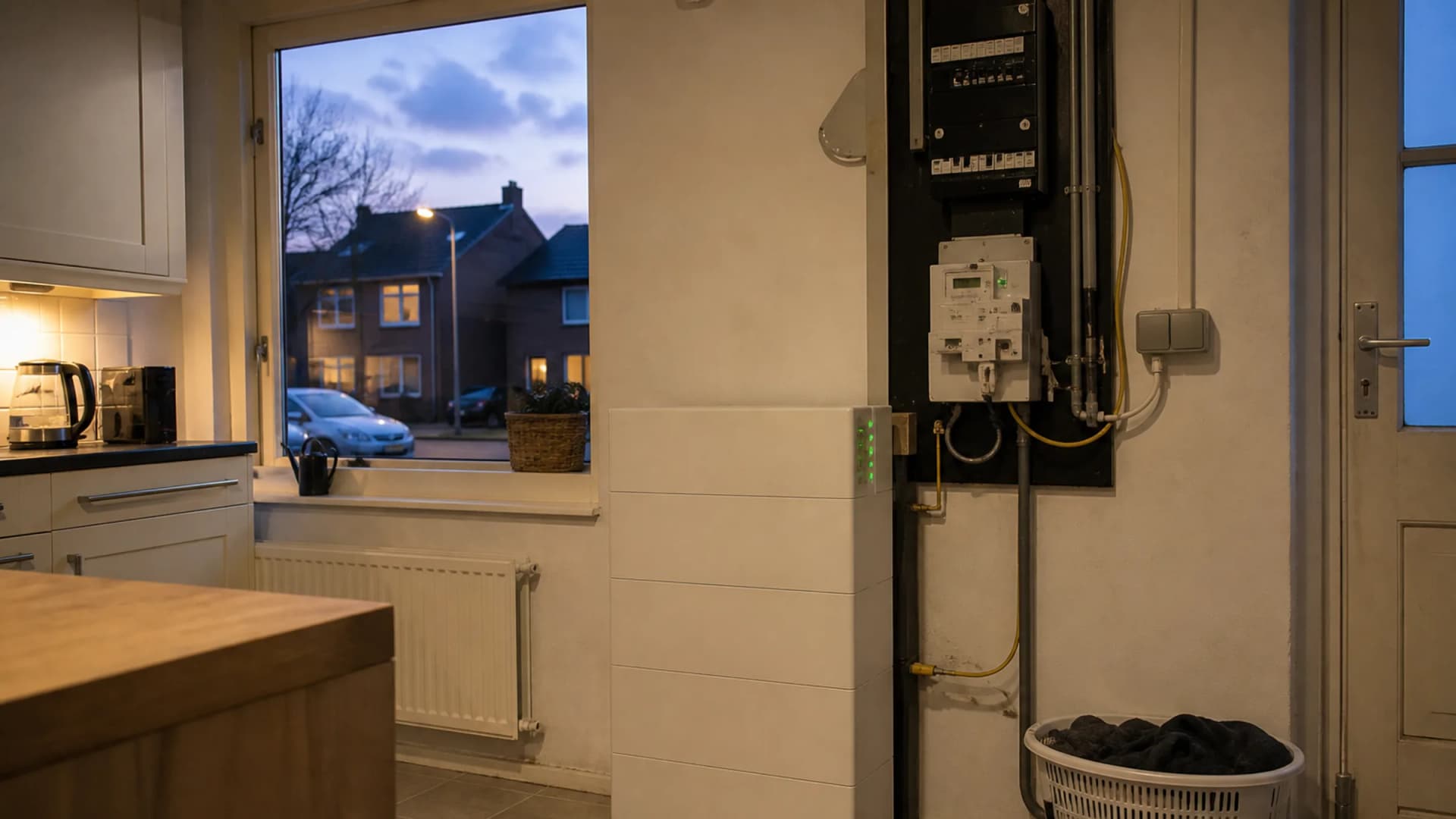
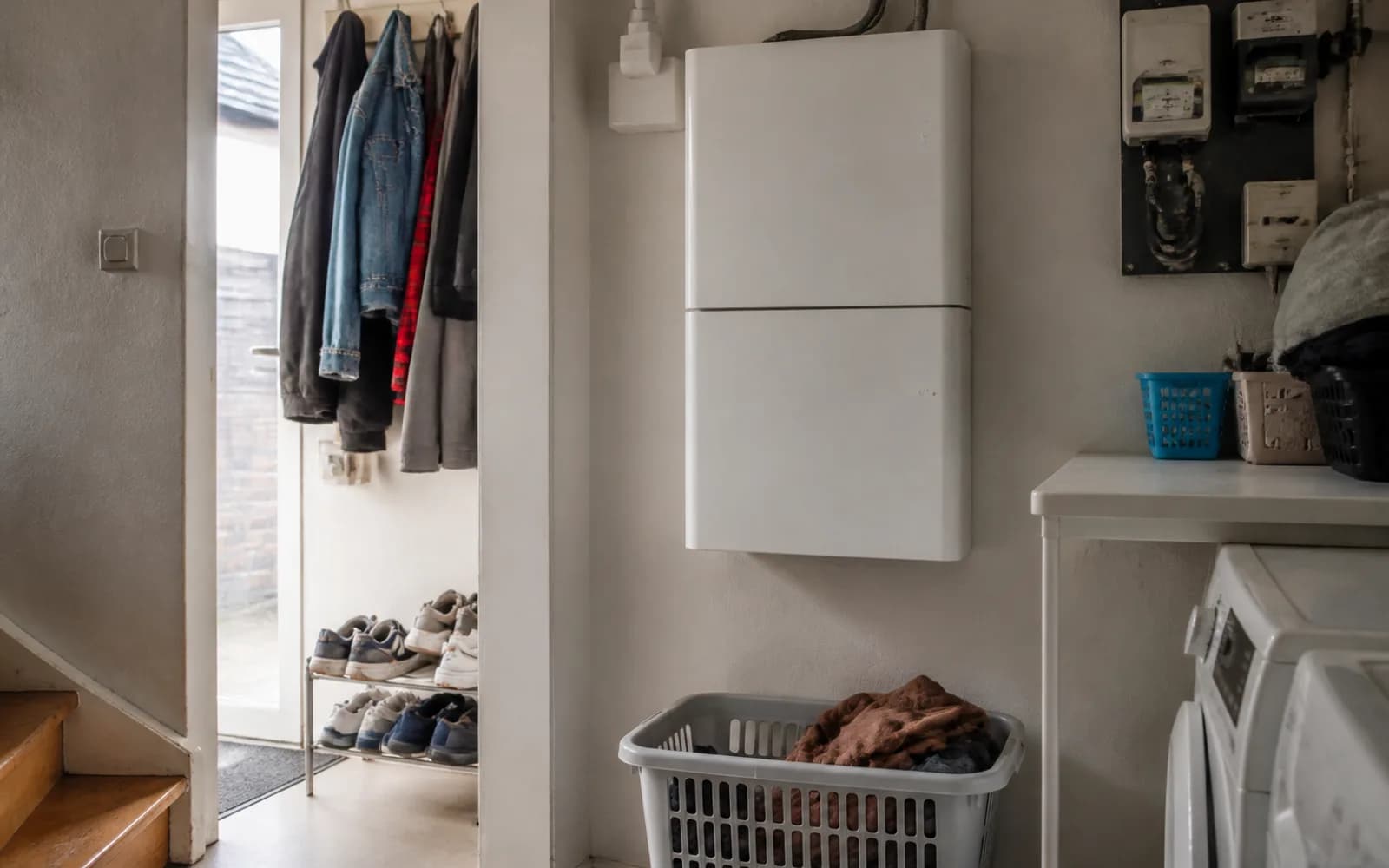
A home battery fits time-of-use grid tariffs well: you charge it at cheap moments and use that power during the expensive evening block. That way you will avoid not only high dynamic power prices but also the high grid charge.
To be fair: for a heat pump, a battery does not solve it entirely. In the calculation, a 5 kilowatt-hour battery reduces the annual extra costs of an all-electric heat pump by about 163 euros. Heat demand on a winter evening is simply large, and part of it keeps coming from the grid during the expensive hours.
The benefit does stack, though. The same battery already earns from the gap between cheap and expensive hours with a dynamic energy contract, and from 2029 the avoided grid charge comes on top. The full trade-off is in our comparison with or without a home battery.
What you can already do
There is no rush. But if you are making choices now for the next ten to fifteen years, you can factor this in already:
1. Keep going with sustainability. The proposal makes a heat pump somewhat less advantageous, not disadvantageous. Staying on gas costs more per year than the new tariffs take away. 2. Lower your heat demand. Every kilowatt-hour you do not need also never falls in the expensive block. Good insulation is the biggest lever; read how it relates to your heat pump at insulation and heat pumps. 3. Learn to shift your consumption. The washing machine, dishwasher and EV charger can easily run outside 4 pm to 11 pm, and many devices handle that automatically. How to approach it is covered in smart home energy management. 4. Get a home battery calculated. With a dynamic contract it already earns today; the new grid tariffs strengthen the business case from 2029.
How certain is this, and when?
This is a proposal, not a decision. The ACM is assessing it and expects to publish a draft decision around this summer, which everyone can respond to during a consultation. The regulator aims to take a final decision before the end of 2026; the intended start date is 1 January 2029.
The exact tariffs per price level are therefore not set yet, and the amounts above are calculations based on the proposal as it stands. The main principle, paying by moment and volume, is broadly backed by grid operators, the ministry and the ACM. We are following the process and will write an update once the draft decision is out.
Conclusion
The new grid tariffs make winter-evening power considerably more expensive from 2029, and households with a heat pump will notice it most. At the same time, a heat pump remains cheaper than a gas boiler even in these calculations, and everything you can steer or store becomes more valuable in the coming years. If you insulate well, shift consumption and get storage calculated, you will be in good shape by 2029.
Want to know what this means for your situation, or have a heat pump or home battery calculated with your own figures? Put your situation to us and we will take a look with you.
Read more
- ACM: proposed code amendment for volume- and time-dependent transport tariffs for small consumers (proposal contents and timeline, Dutch)
- Netbeheer Nederland: how flexible tariffs for consumers work (price levels, seasons and purpose, Dutch)
- Common Futures: report on the effect of time- and volume-dependent grid tariffs on heat pumps, commissioned by Vereniging Warmtepompen (peak-block tariff and calculated amounts, Dutch)
Solar panels are still a smart investment in 2026. A few things matter if you want the most from your own power.
Your energy use
Planning to drive, cook or heat electrically? Factor that into how many panels you install now.
Spread the yield
Spread panels across roof faces so you generate through the day and use more of your own energy.
Your data
Choose a system with its own 4G connection and data storage in Europe so your information stays secure.
Boost your energy
A smart home battery stores today's power for later, so you use more of your own electricity after sunset.

We install your heat pump
Usually within a few weeks. Our installers fit the heat pump and calmly explain how it works.
- Use structurally less gas
- Comfort all year round

Discover what smart energy can do for you
In about an hour you get insight into your savings, the options for your home and when the investment pays back. Straightforward, honest advice so you know exactly where you stand.
Smart energy at home
- Upgrade your home with our smart battery
- Our solar panels deliver up to 25% more energy
- A heat pump to minimise your energy use
- Charge your electric car easily at home with an EV charger
Booking an advice call is easy
Fill in your details below. Within a day we will contact you to schedule a no-obligation advice call together.
Related articles