Insulation for a heat pump: what do you need?
Updated on 6 min read
Is your home insulated well enough for a heat pump? Run the 50-degree heating test, see which insulation pays off first and choose hybrid or all-electric.
All articles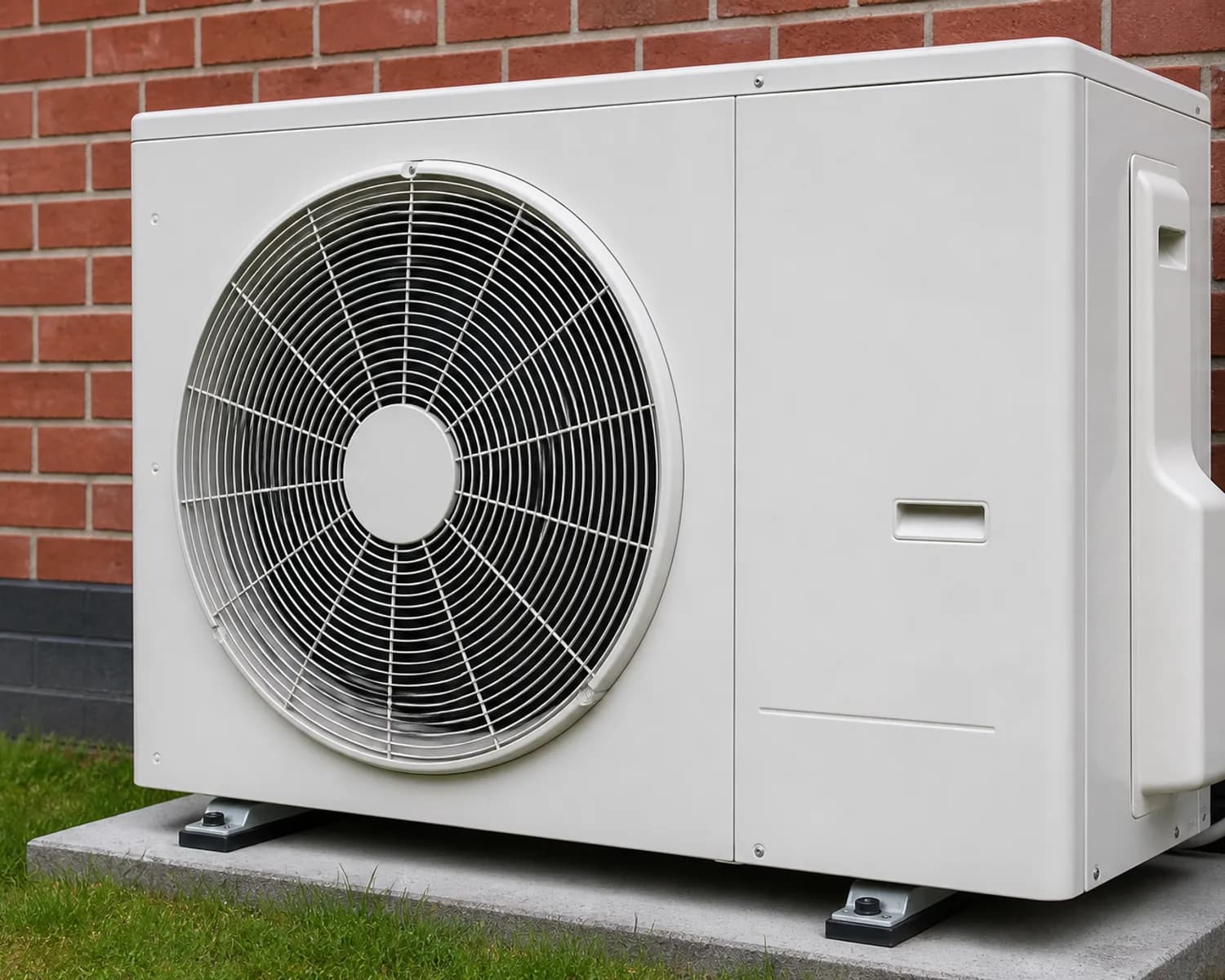
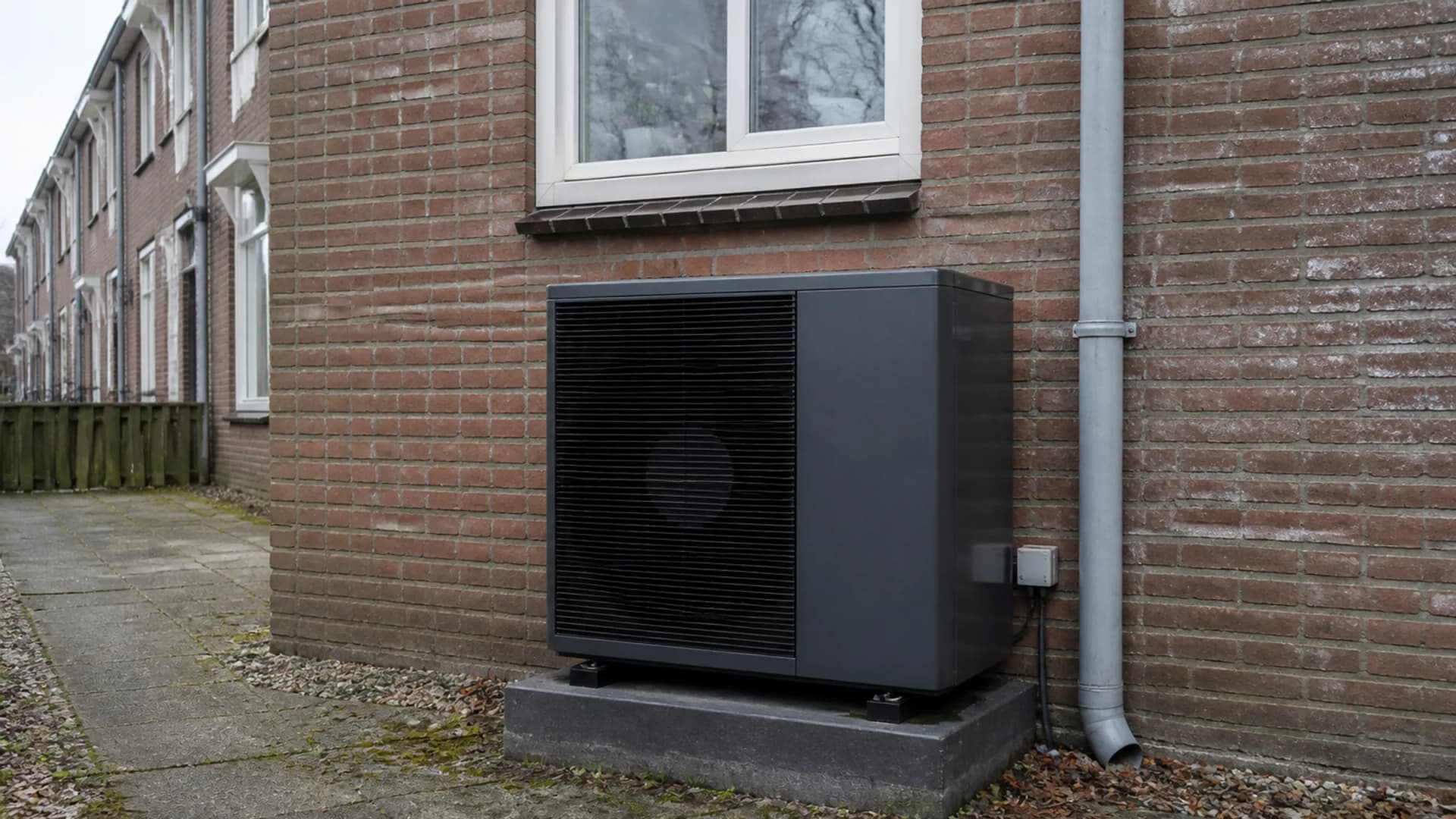
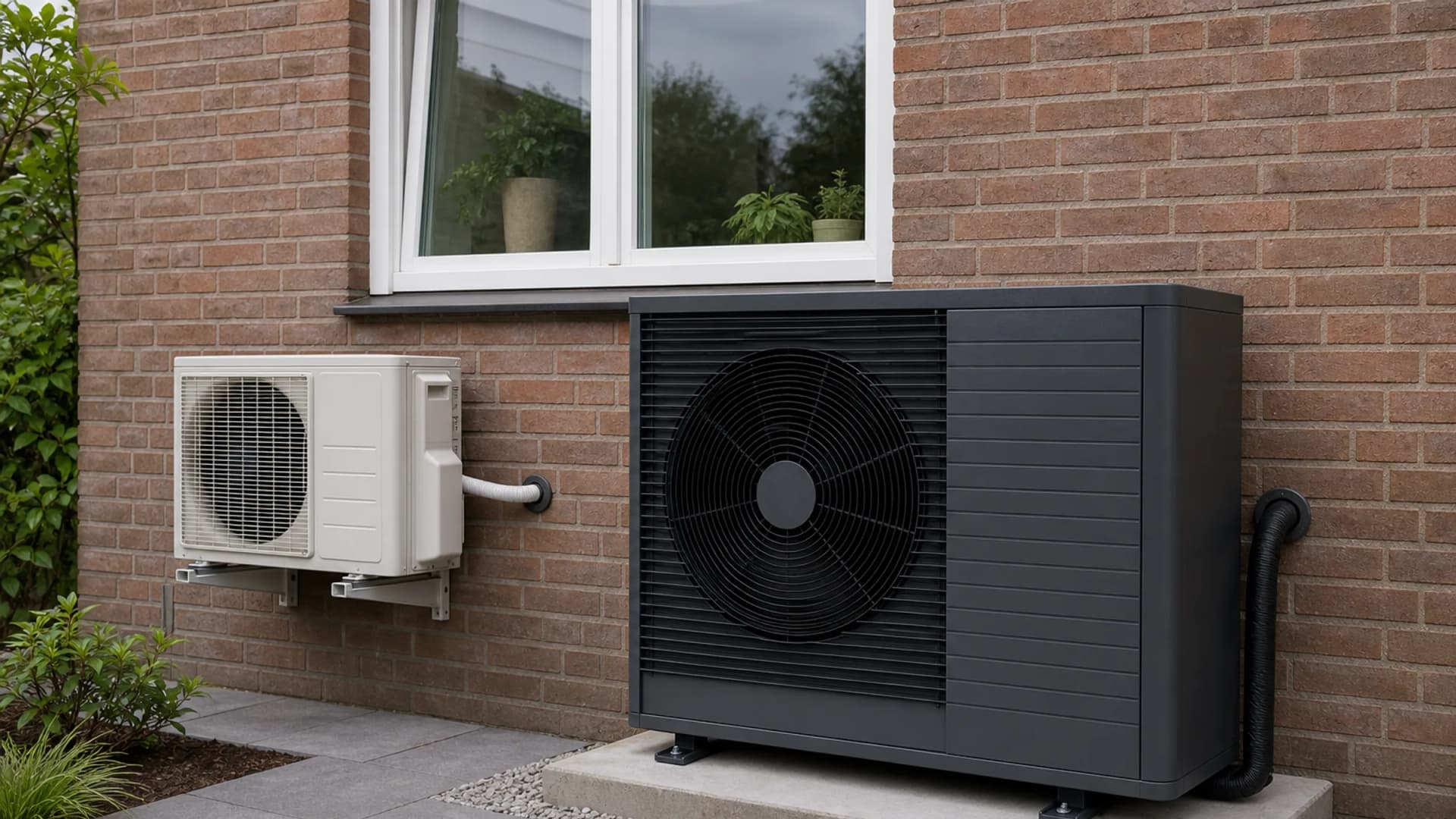
Heat pump insulation matters: a heat pump supplies water at around 30 to 55 degrees. That only works comfortably if your home holds that heat. Good insulation for a heat pump and a suitable delivery system are the foundation; otherwise the pump runs harder and you pay more for power.
Why insulation lays the foundation
 Heat pump
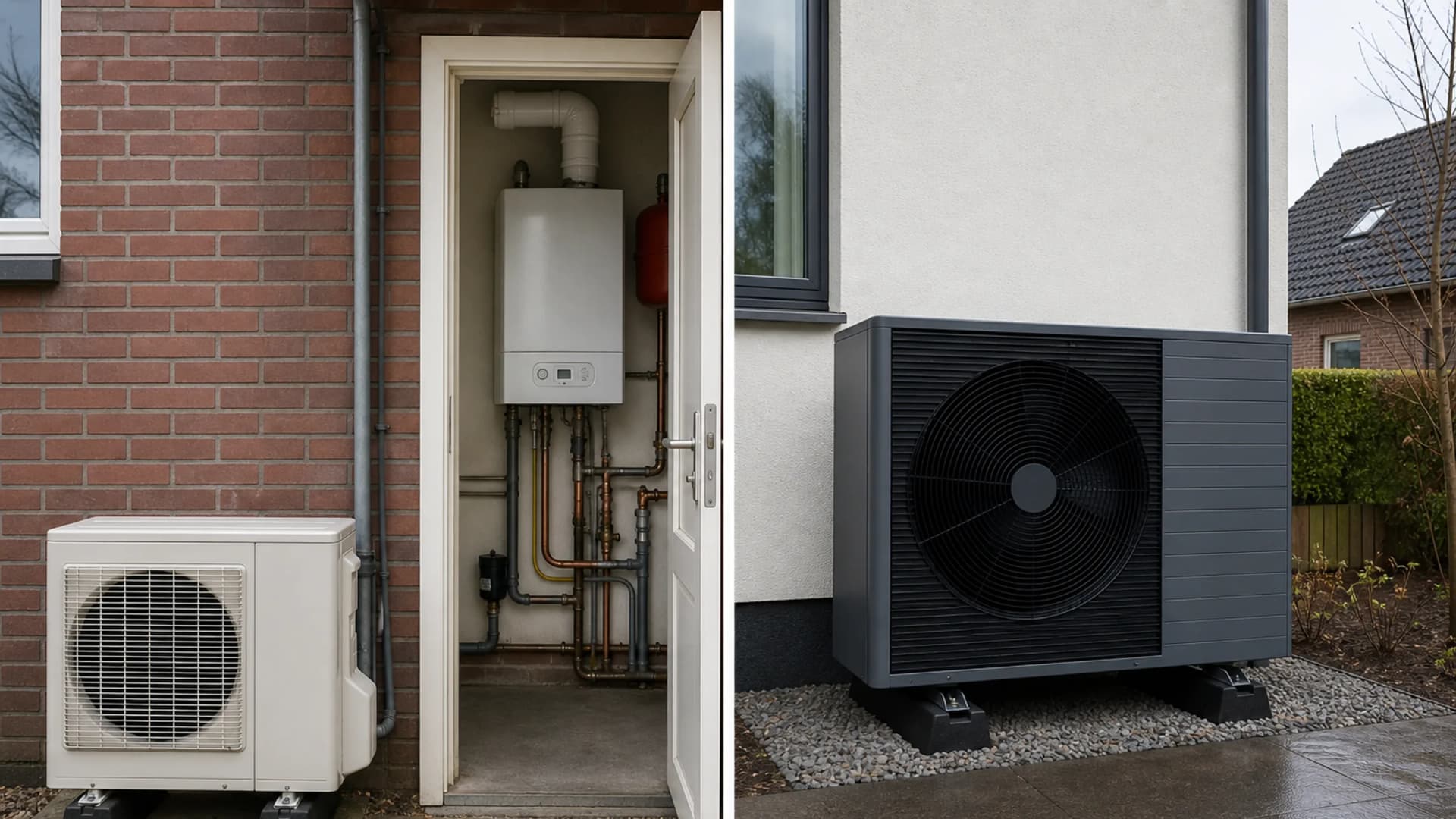
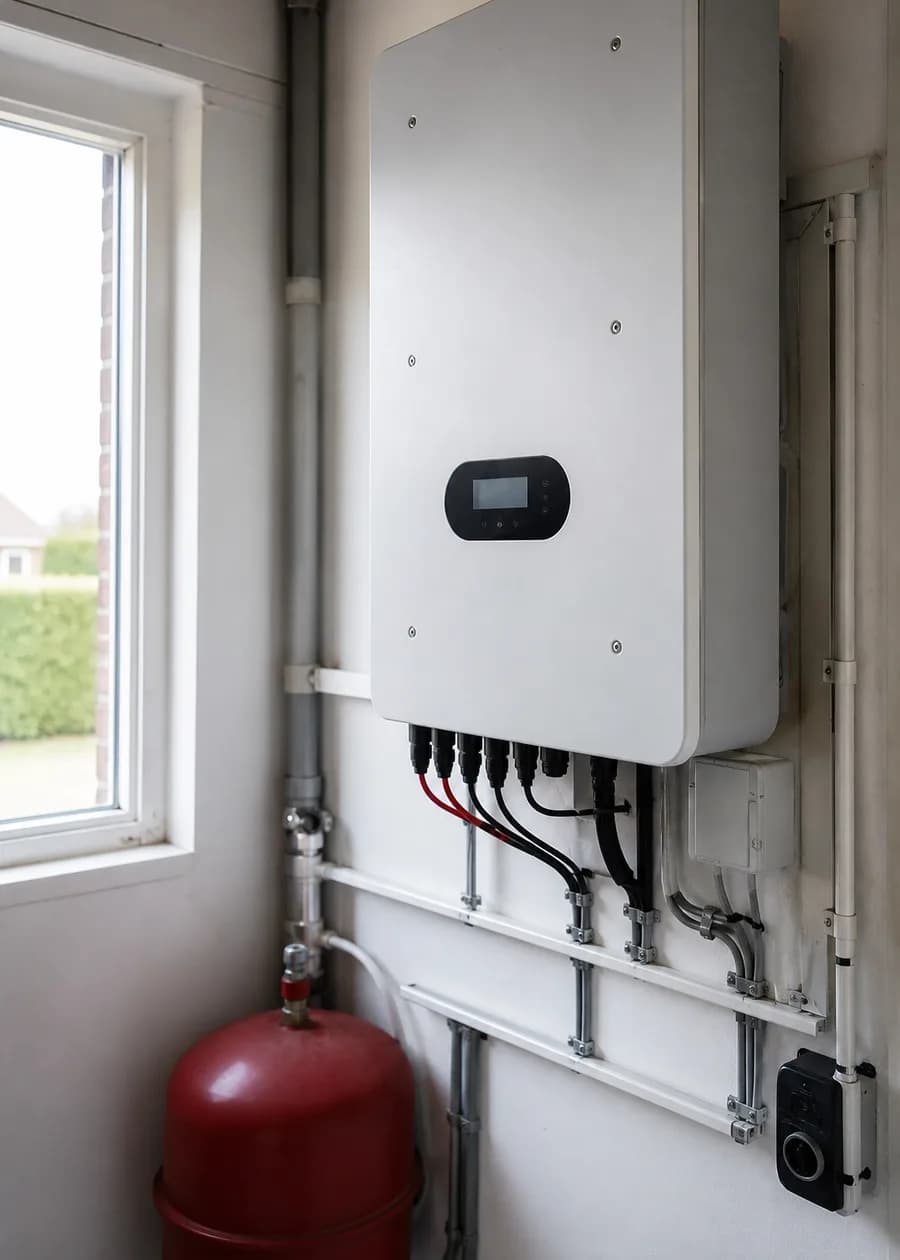
With heat pump insulation the same rule applies as with a boiler: your home must hold heat. A boiler sends water at roughly 70 to 80 degrees to your radiators. That can heat a draughty 1930s home too. A heat pump delivers heat at a lower temperature, usually between 30 and 55 degrees. That is efficient, but only if your home keeps that heat inside.
In a poorly insulated home you lose heat faster than the delivery system can replace it. The pump has to run harder, stay on longer and use more power. Insulation lays the foundation: less heat loss means the unit can heat at a lower temperature and still stay comfortable.
What is low-temperature heating?
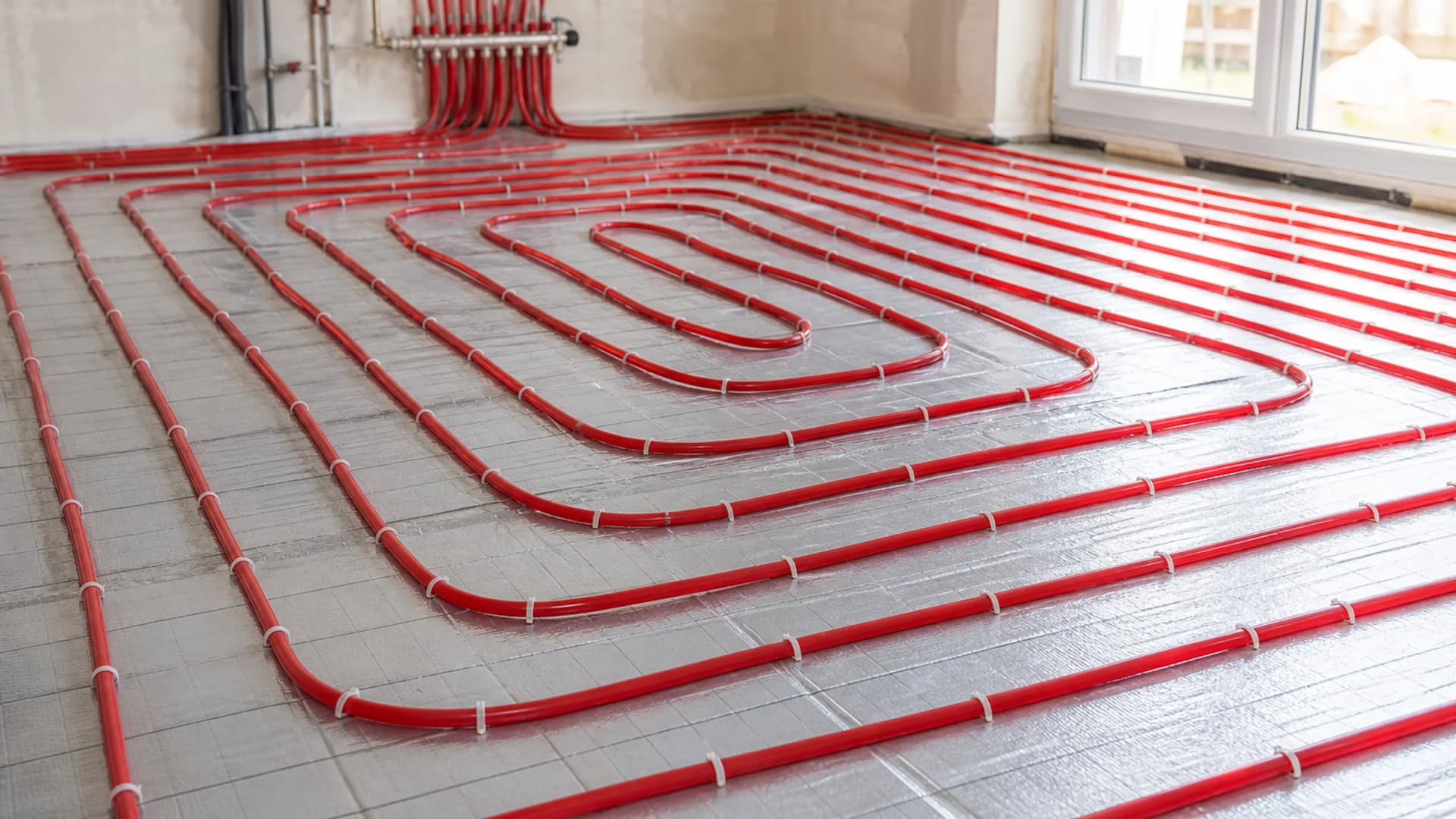
Low-temperature heating (LTV) is ordinary heating with radiators, convectors or underfloor heating, but at a lower water temperature than your boiler uses. Because the water is less hot, the delivery system needs more surface area to give off enough heat. Underfloor and wall heating are built for that; many existing radiators can work too or be adapted.
Radiators with two or three panels and fins between them often already deliver enough capacity. If there is little capacity left, radiator fans, a larger radiator in the same spot or underfloor heating during a floor renovation can help. Whether you choose a hybrid or all-electric heat pump depends on how good your insulation and delivery system already are.
| System | Typical water temperature | What it asks of your home |
|---|---|---|
| Boiler | approx. 70-80 °C | Works even with moderate insulation |
| Heat pump | approx. 30-55 °C | Reasonable to good insulation + suitable delivery system |
Exact temperatures vary by unit and outdoor temperature. The principle stays: lower flow temperature needs better insulation.
Minimum insulation: hybrid vs all-electric
For a fully electric heat pump you generally need at least reasonable insulation: think of roughly 8 to 12 centimetres of roof and floor insulation (Rc around 2.5 or higher), a filled cavity wall where possible and HR++ glazing in heated rooms. That is the floor Milieu Centraal sets for all-electric. Whether your home meets it depends on what was insulated after construction, not build year alone.
If insulation is moderate, a hybrid heat pump is often a wiser first step. The pump does most of the year; the boiler steps in on cold days and supplies hot water. That way you already save gas while you insulate at your own pace. Only when insulation and delivery are in order is all-electric usually comfortable and efficient.
Check yourself: the heating test
Want to know if your home is ready for low temperature? Run the heating test in the heating season. Set your boiler flow temperature to about 50 degrees. Set the thermostat at night no more than 1 or 2 degrees lower than during the day. See whether it warms up fast enough in the morning, even after a cold night. More on low-temperature heating is on Milieu Centraal.
Does it stay comfortable, even when it freezes hard outside? Then your home is probably ready for a heat pump, perhaps with small radiator tweaks. Is it chilly or does warm-up take very long? Then insulation or a better delivery system pays off first, or a hybrid setup until you are further along. In doubt, ask us during a heat pump survey.
Which insulation gives the most?
Start with the biggest heat losses. Roof, facade and cavity wall, floor and glazing together decide how fast your home cools. Good glazing, extra roof or cavity insulation, floor insulation and sealing gaps often make the biggest difference. Which measure helps you most depends on build year and what has already been done.
Not an energy label or heat-loss calculation. A survey looks at your situation.
Besides insulating, the delivery system counts. Radiator fans, larger radiators in the same place or underfloor heating with a new floor help the unit run efficiently at low temperature. If you replace the floor, consider hydronic underfloor heating, not electric floor heating: that is usually a poor match for heat pumps.
When you can't insulate all at once
Not everyone can tackle everything at the same time. A sensible order is: fix the biggest leaks first (roof, cavity, glazing), then check delivery with the heating test, then choose hybrid or all-electric. A hybrid setup is a fine intermediate step: you already save a lot on gas while you keep insulating.
Later you can often still move to all-electric, provided insulation and radiators or underfloor heating keep pace. Subsidies for insulation and heat pumps can reinforce each other if you take both within a set period; check current conditions on RVO (ISDE) before you plan.
What SolarFast checks during the survey
During a heat pump survey we look not only at your boiler, but also at cavity wall insulation, roof insulation, glazing and the type of radiators or underfloor heating. A 1930s home in the Randstad often needs different measures than a recently built terraced house.
Based on that we advise hybrid or all-electric and which insulation steps give the most before or after installation. That way you avoid the pump having to work harder than necessary. Read more on our heat pump page. Request a quote and we walk through the survey with you.
Solar panels are still a smart investment in 2026. A few things matter if you want the most from your own power.
Your energy use
Planning to drive, cook or heat electrically? Factor that into how many panels you install now.
Spread the yield
Spread panels across roof faces so you generate through the day and use more of your own energy.
Your data
Choose a system with its own 4G connection and data storage in Europe so your information stays secure.
Boost your energy
A smart home battery stores today's power for later, so you use more of your own electricity after sunset.
We install your heat pump
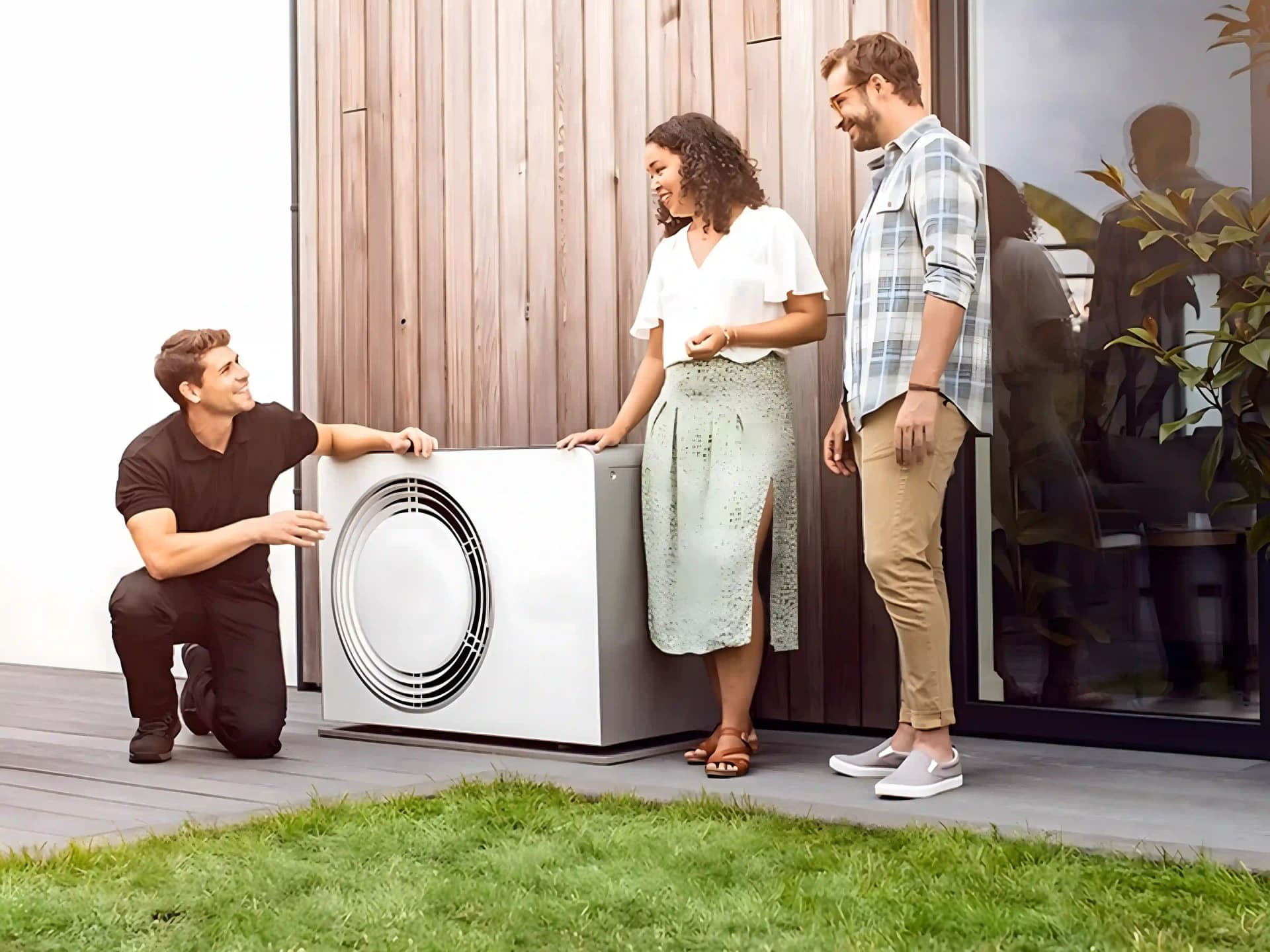
Usually within a few weeks. Our installers fit the heat pump and calmly explain how it works.
- Use structurally less gas
- Comfort all year round
Frequently asked questions
Technically yes, but the pump runs less efficiently and you pay more for power. A hybrid setup is often wiser until you insulate better. Run the heating test at 50 degrees to see how far you already are.
Technically yes, but you pay more for power and comfort often suffers. A hybrid heat pump is usually wiser until you insulate better. Run the heating test at 50 degrees to see how far you already are.
Usually tackling the biggest heat losses: roof, facade and cavity, floor and glazing. What gives you the most depends on your home and what has already been done.
No. A delivery system that works at low temperature is enough: underfloor heating, generous radiators or convectors with enough capacity. Radiator fans can boost existing radiators.
Reasonable to good insulation (roof, floor, cavity, HR++ glazing) and a delivery system that stays comfortable at 50-degree flow water. If not, choose hybrid or insulate and improve delivery first. Compare both options on hybrid vs all-electric.
In winter set boiler flow to about 50 degrees, keep the thermostat 1 to 2 degrees lower at night and check whether the home warms up fast enough, even after a cold night. Not comfortable enough? Improve insulation or delivery first.
It depends on what was insulated after construction. Older homes can work if roof, cavity, floor and glazing were upgraded; newer build year is no guarantee. Milieu Centraal describes the minimum for all-electric.

Discover what smart energy can do for you
In about an hour you get insight into your savings, the options for your home and when the investment pays back. Straightforward, honest advice so you know exactly where you stand.
Smart energy at home
- Upgrade your home with our smart battery
- Our solar panels deliver up to 25% more energy
- A heat pump to minimise your energy use
- Charge your electric car easily at home with an EV charger
Booking an advice call is easy
Fill in your details below. Within a day we will contact you to schedule a no-obligation advice call together.
Related articles