With or without a home battery: net metering or storage?
6 min read
Home battery or net metering? With a worked example before and after 1 January 2027, the role of feed-in charges and how SolarFast sizes batteries to the home.
All comparisons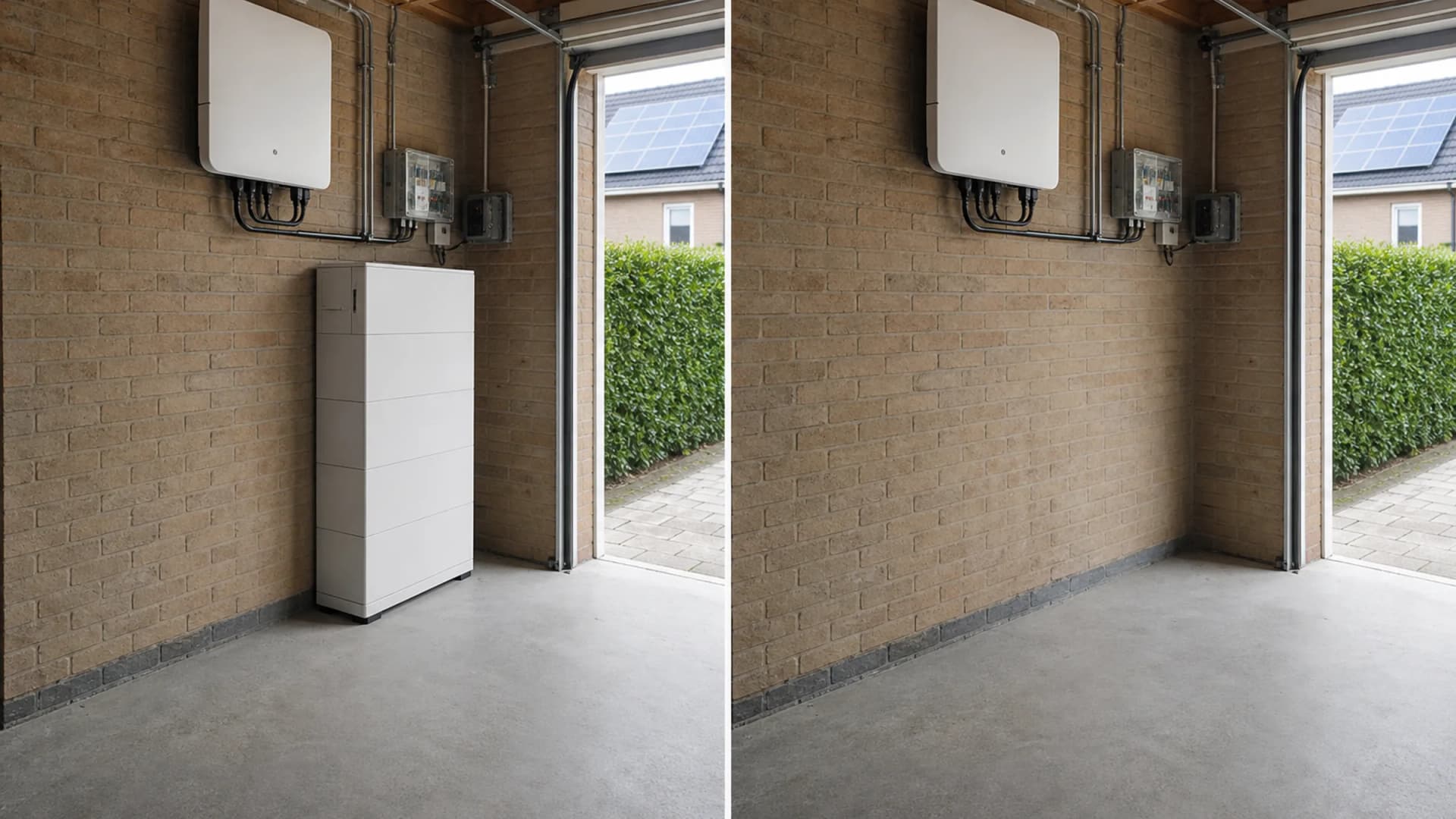
Until the end of 2026, net metering settles your feed-in on the annual bill. From 1 January 2027 that stops, and what matters most is how much of your own solar power you use yourself. A home battery shifts your power to the evening, which makes it more attractive from 2027 on.
Introduction
 Home battery
Solar panels without a battery export their daytime surplus to the grid; with a battery you keep that surplus for the evening. While the net metering scheme applies, that makes little financial difference. But the scheme ends on 1 January 2027, and then the maths change. Below we put both routes side by side, including a worked example before and after that date.
The options side by side
With a battery
Pros
- Use your own stored power in the evening
- Less reliant on the feed-in payment
- Stronger once net metering ends in 2027
- Can join grid control and dynamic tariffs
- Counts toward the energy label (fixed system from 5 kWh, with solar panels)
Cons
- Higher upfront investment
- Does not pay off in every situation yet
- Needs space and a suitable inverter
Without a battery (net metering)
Pros
- No extra investment
- Simple: feed back and settle
- Fine while net metering applies, until end 2026
Cons
- No more net metering from 2027
- You use less of your own power
- Reliant on the feed-in payment and feed-in charges
What changes on 1 January 2027?
Up to and including 31 December 2026, full net metering applies: your supplier offsets exported power against what you draw, up to at most what you take from the grid that year. On 1 January 2027 the scheme ends in one step; the government chose not to phase it down gradually. The official explanation is on the Dutch government site (Dutch).
From 2027 you receive a feed-in payment for exported power. A legal floor then applies: at least 50 percent of the bare supply rate, at least until 2030. Per kilowatt-hour that payment is well below what drawing power costs you, because your draw also carries energy tax and VAT. That is exactly why using your own power becomes more valuable than exporting it.
Worked example: same roof, before and after 2027
Take a household that uses 2,200 kWh per year and generates 3,400 kWh. It uses 1,100 kWh directly while the panels produce. That leaves 1,100 kWh drawn from the grid and 2,300 kWh fed back. Now suppose a battery shifts about 800 kWh per year from export to evening use. The annual picture then looks like this:
| Until end 2026 (net metering) | From 2027 without battery | From 2027 with battery | |
|---|---|---|---|
| Drawn from the grid | 1,100 kWh | 1,100 kWh | approx. 300 kWh |
| Of which offset | 1,100 kWh | 0 kWh | 0 kWh |
| Fed back | 2,300 kWh | 2,300 kWh | approx. 1,500 kWh |
| Feed-in payment over | 1,200 kWh | 2,300 kWh | approx. 1,500 kWh |
Illustrative example following the official settlement mechanics; see the ACM explanation of net metering (Dutch). Actual figures depend on your usage pattern and battery size.
Until end 2026 that 1,100 kWh of draw is largely free: net metering wipes it out. From 2027 you pay for it in full, and your export only earns the feed-in payment. Every kilowatt-hour the battery shifts to the evening is then worth the difference between your supply rate including taxes and the net payment. That gap is what makes the battery structurally more valuable from 2027.
Feed-in charges and dynamic contracts
There is another factor: more and more suppliers charge feed-in charges for processing exported power. If your supplier works with brackets or a rate per exported kilowatt-hour, exporting less helps there too. A battery cuts your export substantially, in the example above from 2,300 to about 1,500 kWh.
Combine the battery with a dynamic energy contract and you can also charge it when power is cheap and use that power in the evening. A steerable battery can join grid control as well: for a payment, it helps the grid during peak moments.
Which battery we install
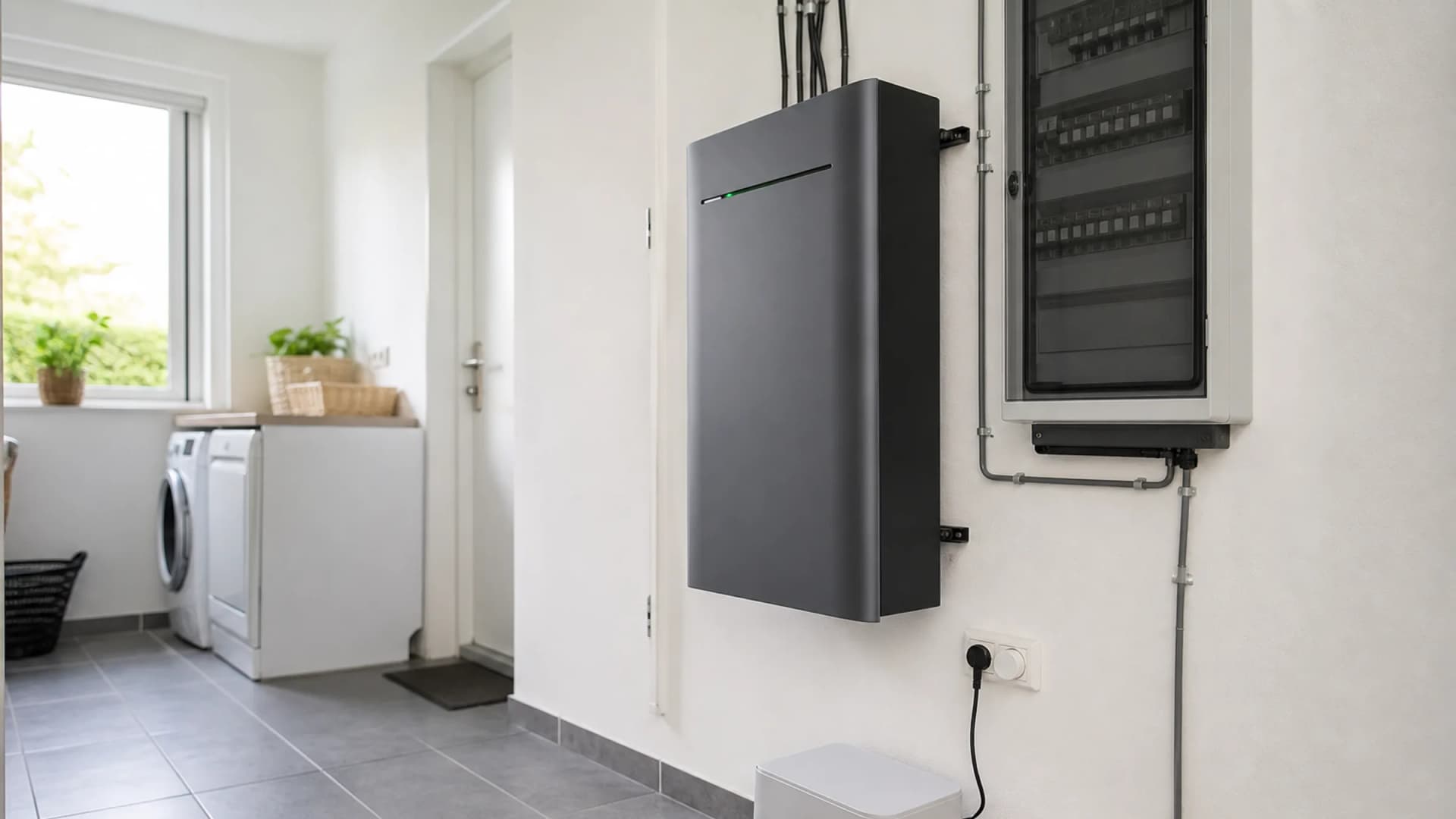
At SolarFast we install HyxiPower, Sungrow PowerHarbor, KStar and Dyness. Size follows your fuse box and evening use, not a default of 5 to 10 kWh. During the site survey we look at whether your installation is battery-ready. Installing solar panels now and thinking about a battery later? We factor that into the inverter choice from the start.
The investment and payback differ per household; current figures and the calculation are in your quote. For more background see what a home battery costs, or have your situation calculated.
Verdict
Until end 2026, full net metering means you can do fine without a battery, especially with little evening use. From 1 January 2027 the balance shifts: net metering ends, exporting earns less and self-consumption becomes the engine of your savings. Heavy evening use, a heat pump or EV charger, or interest in grid control? Then a home battery is worth calculating. We run those numbers for you, with figures that hold for your situation.
Solar panels are still a smart investment in 2026. A few things matter if you want the most from your own power.
Your energy use
Planning to drive, cook or heat electrically? Factor that into how many panels you install now.
Spread the yield
Spread panels across roof faces so you generate through the day and use more of your own energy.
Your data
Choose a system with its own 4G connection and data storage in Europe so your information stays secure.
Boost your energy
A smart home battery stores today's power for later, so you use more of your own electricity after sunset.
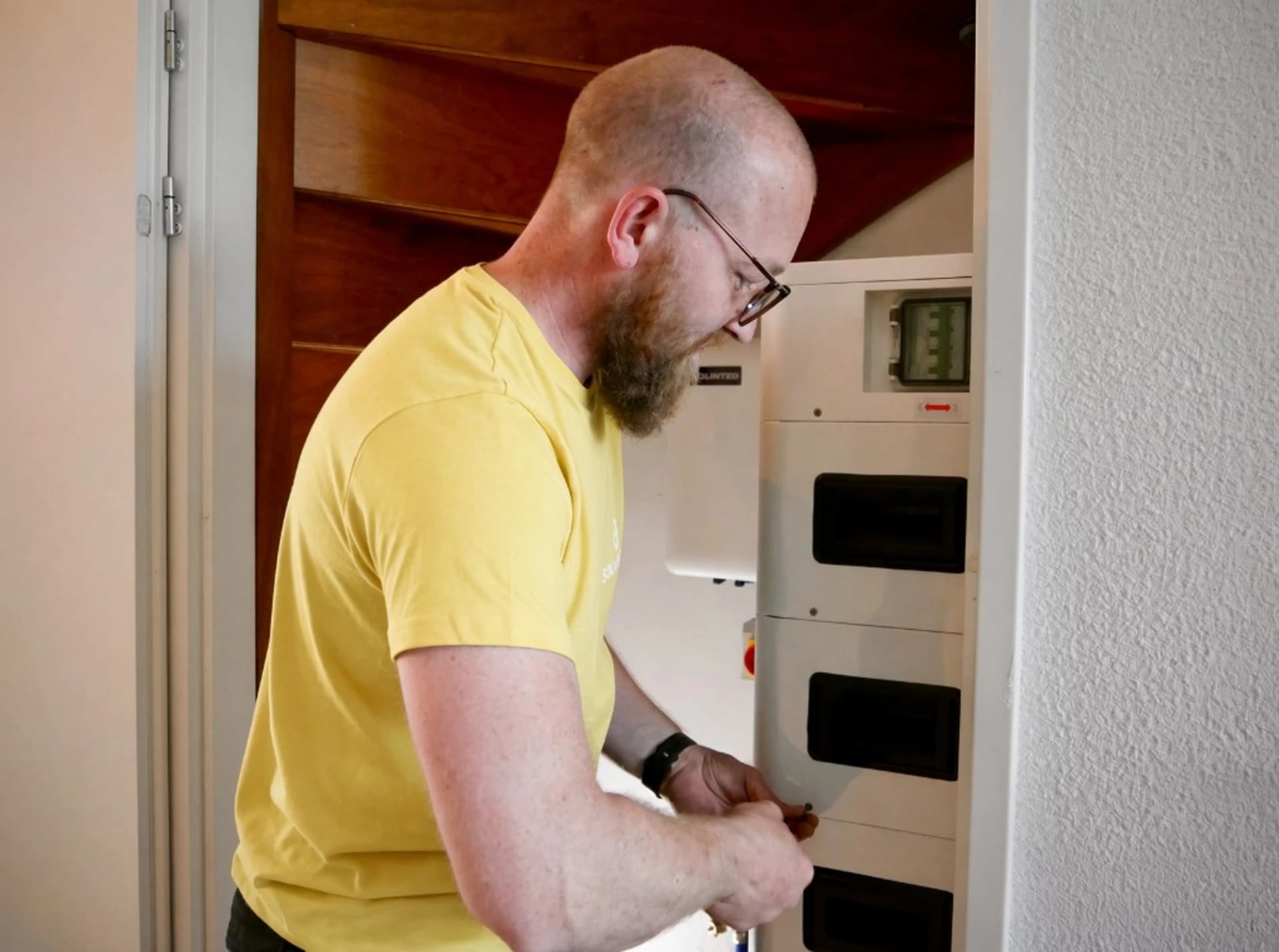
We install your home battery
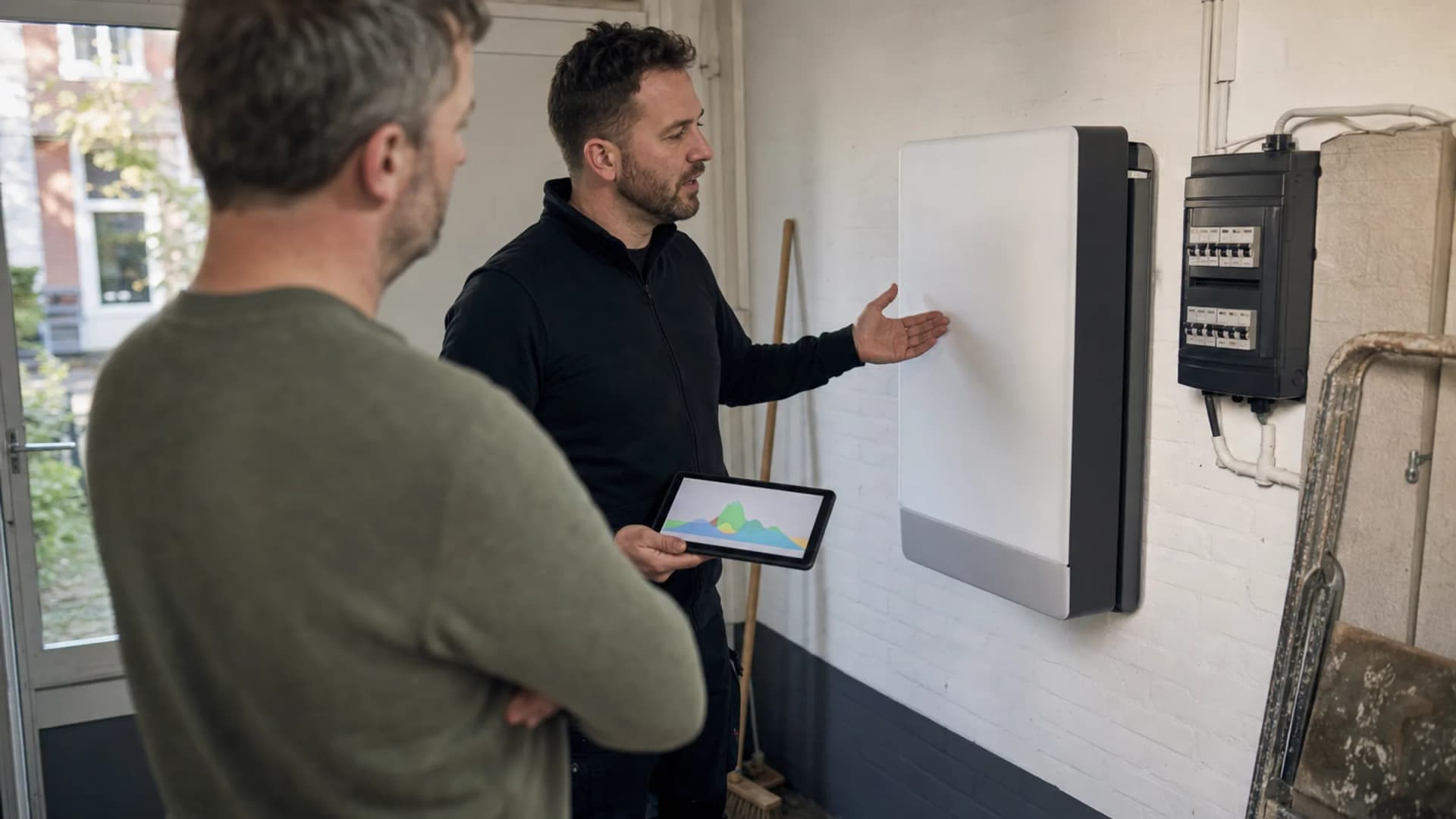
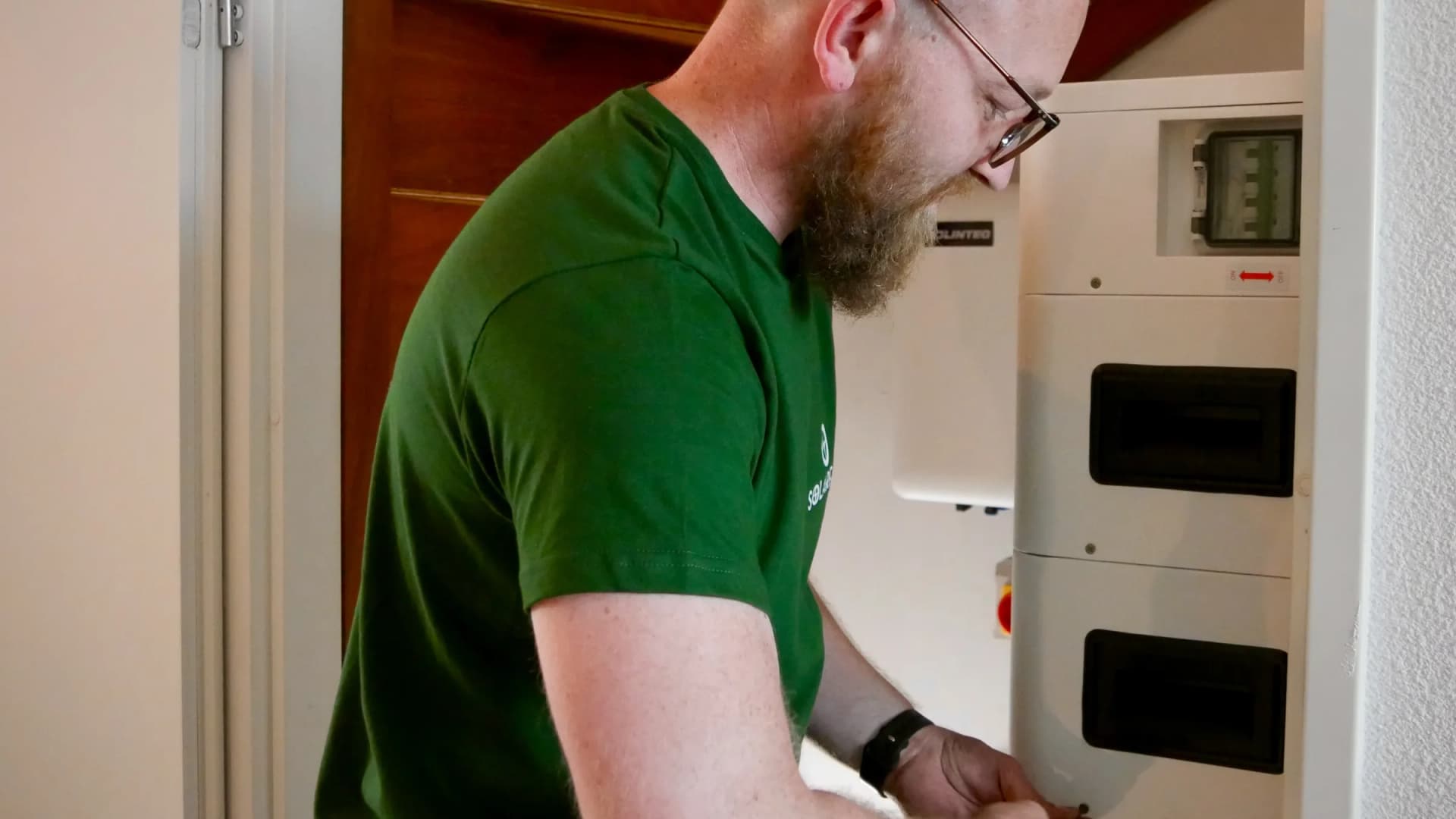
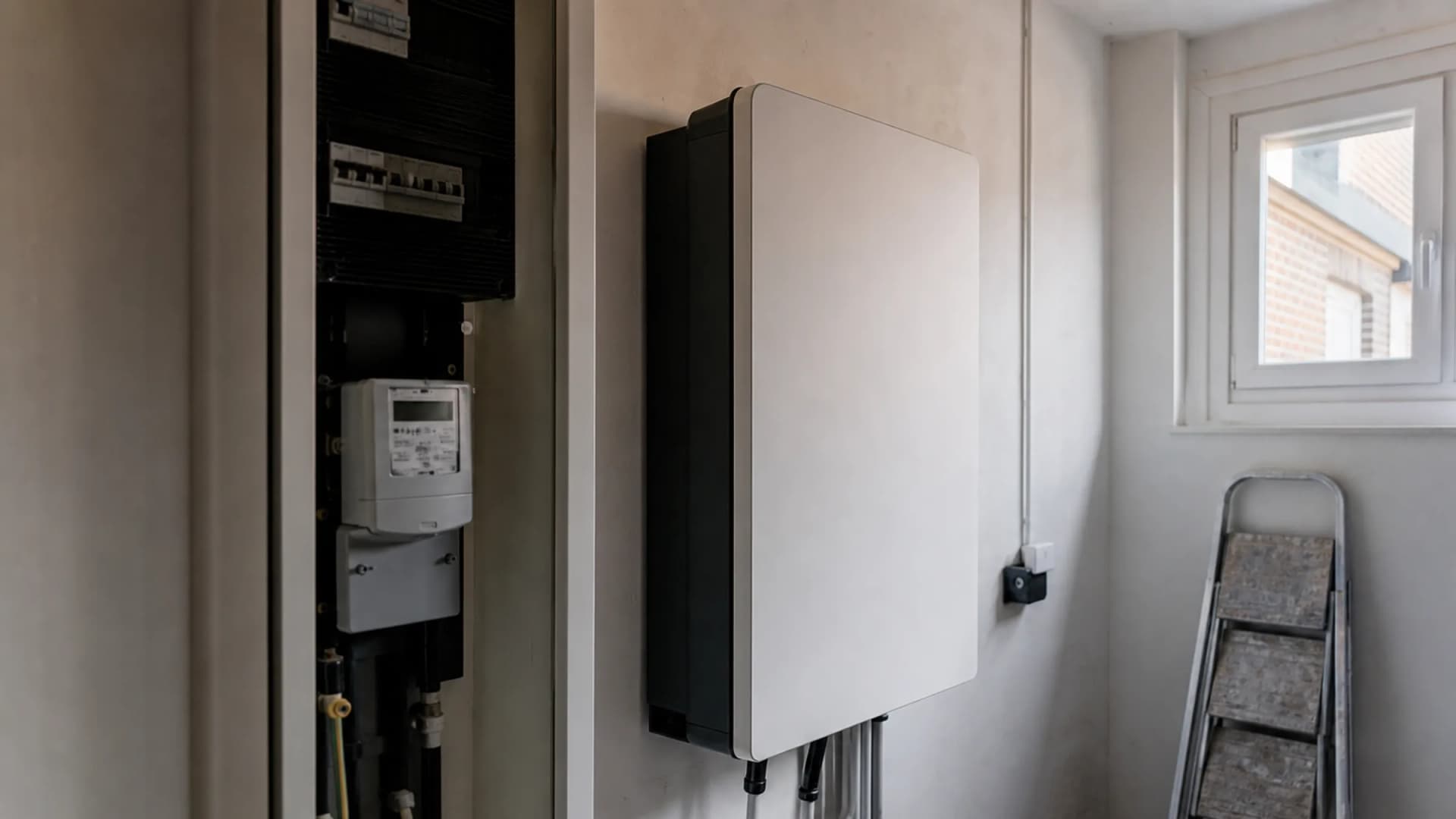
Usually within three weeks. Our installers fit the battery neatly and safely by your fuse box. We leave your home clean and make sure you know exactly how it all works.
- Charge smart when power is cheap
- Keep power until you need it
Frequently asked questions
Increasingly so, especially with high evening use or a low feed-in payment. Until end 2026 you still benefit from full net metering, so storage is less urgent for some households. From 2027 that changes.
From 1 January 2027 exports are no longer offset against your draw. You pay for your draw in full and receive a feed-in payment for exports. Storing and using your own power becomes more attractive; a battery fills that gap.
The amount differs per supplier and is set out in your contract. From 2027 a legal floor applies: at least 50 percent of the bare supply rate, at least until 2030.
Often yes. With a battery-ready or hybrid inverter, expanding is easier. We take that into account when installing your solar panels.
Yes, if the battery can be steered remotely. Your supplier can then adjust it during peak moments and you receive a payment. So check for steerability when buying.
Big enough to cover your evening use, not so big that it rarely fills. The range runs roughly from 5 to 26 kWh; we size to your real consumption.

Discover what smart energy can do for you
In about an hour you get insight into your savings, the options for your home and when the investment pays back. Straightforward, honest advice so you know exactly where you stand.
Smart energy at home
- Upgrade your home with our smart battery
- Our solar panels deliver up to 25% more energy
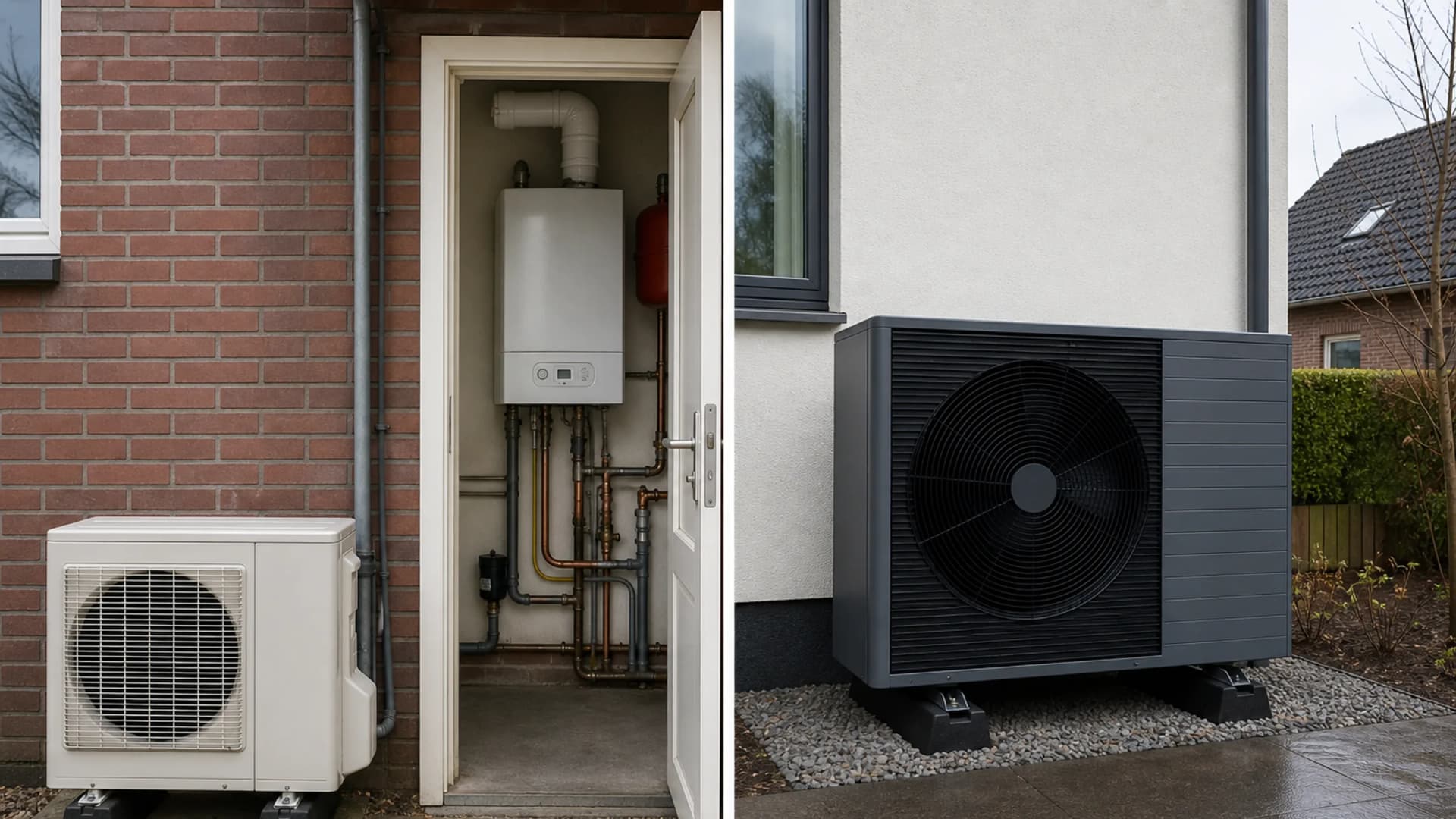
- A heat pump to minimise your energy use
- Charge your electric car easily at home with an EV charger
Booking an advice call is easy
Fill in your details below. Within a day we will contact you to schedule a no-obligation advice call together.
Related articles