Feed-in payment: what you get for exported solar power
Updated on 6 min read
The feed-in payment is what your supplier pays for exported solar. Who sets the rate, and what changes when net metering ends.
All articles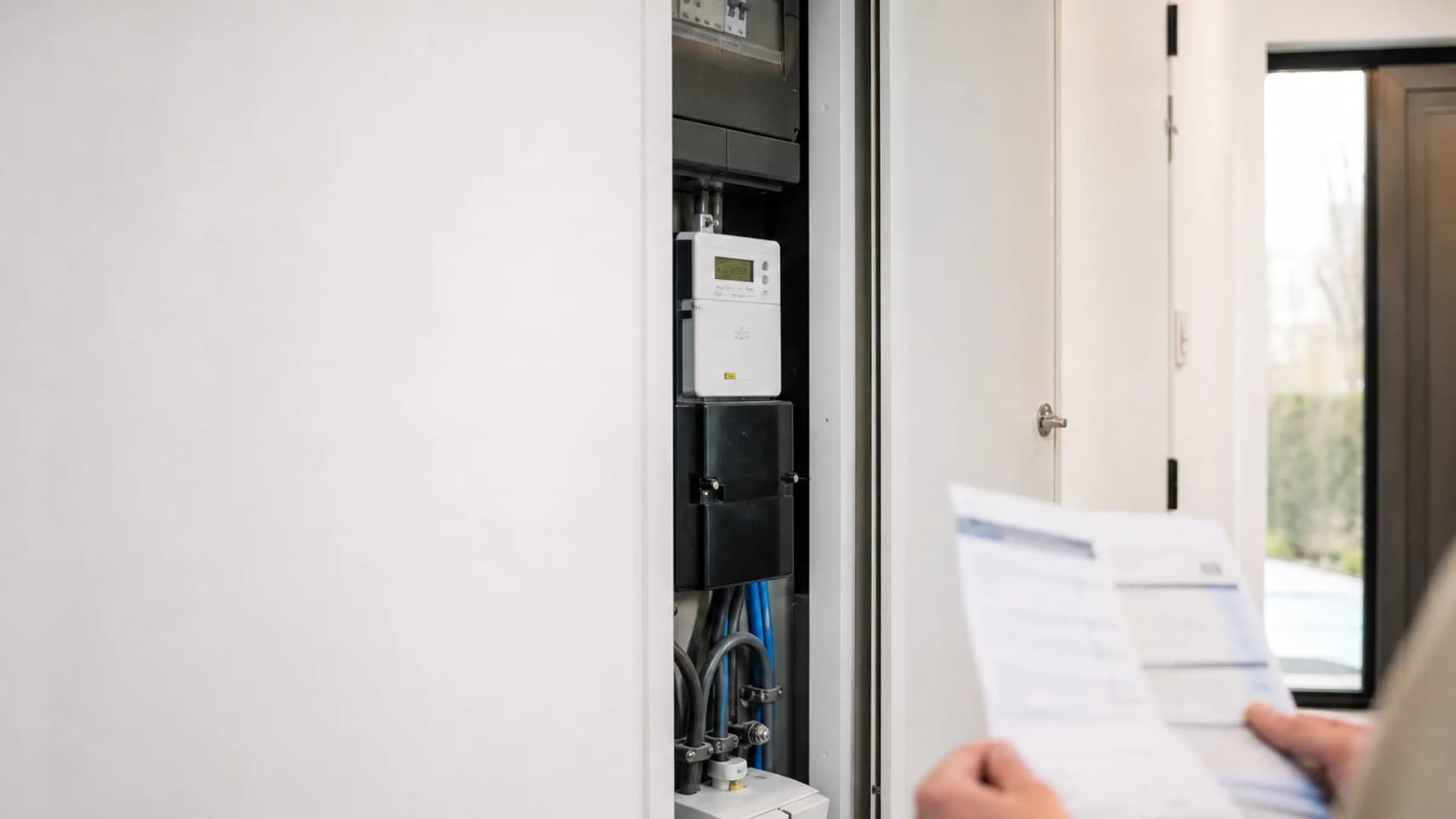
The feed-in payment is the amount your energy supplier pays for solar power you export to the grid. The rate is in your contract and differs per supplier. The payment must be reasonable; the ACM supervises this.
What is the feed-in payment?
 Solar panels
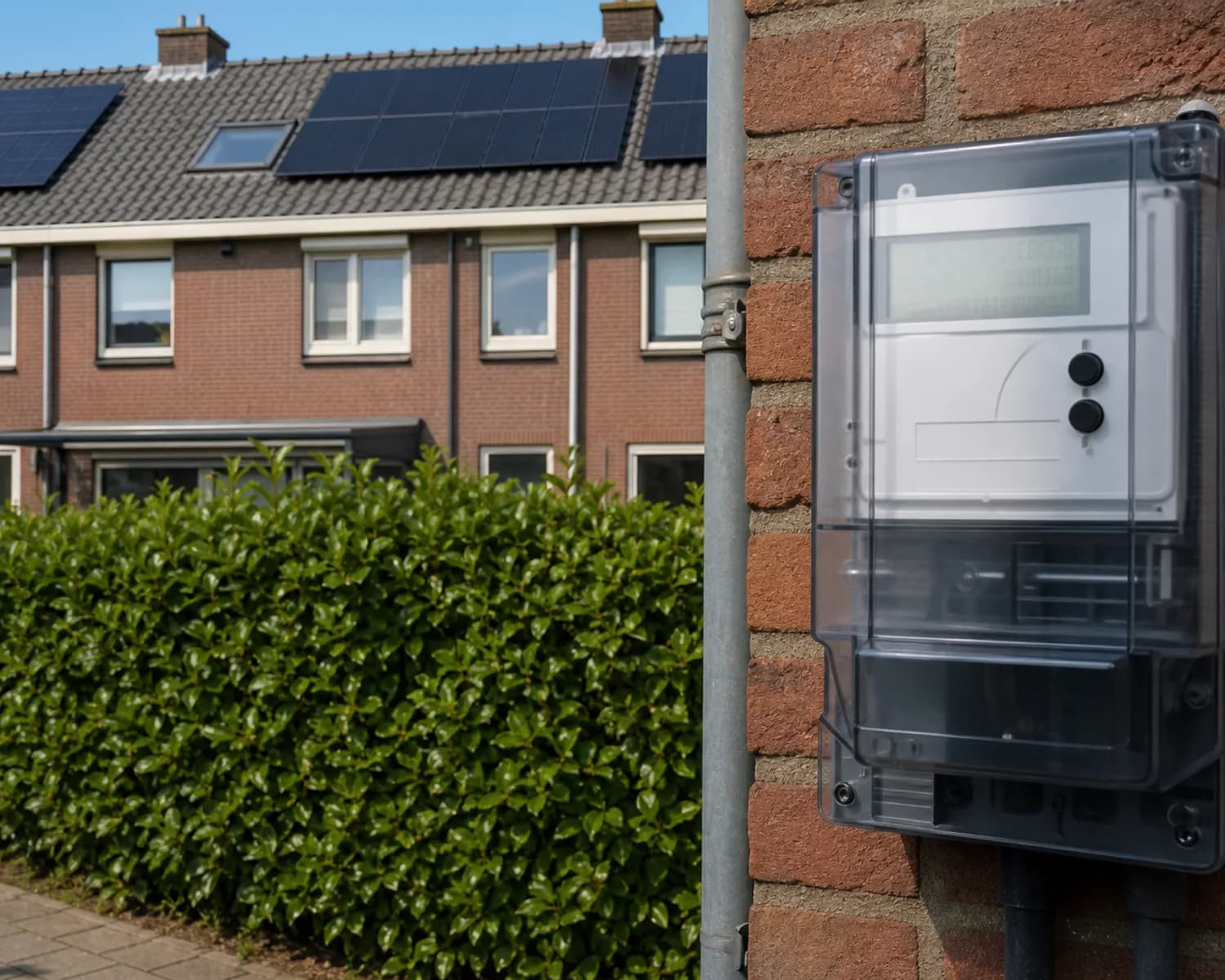
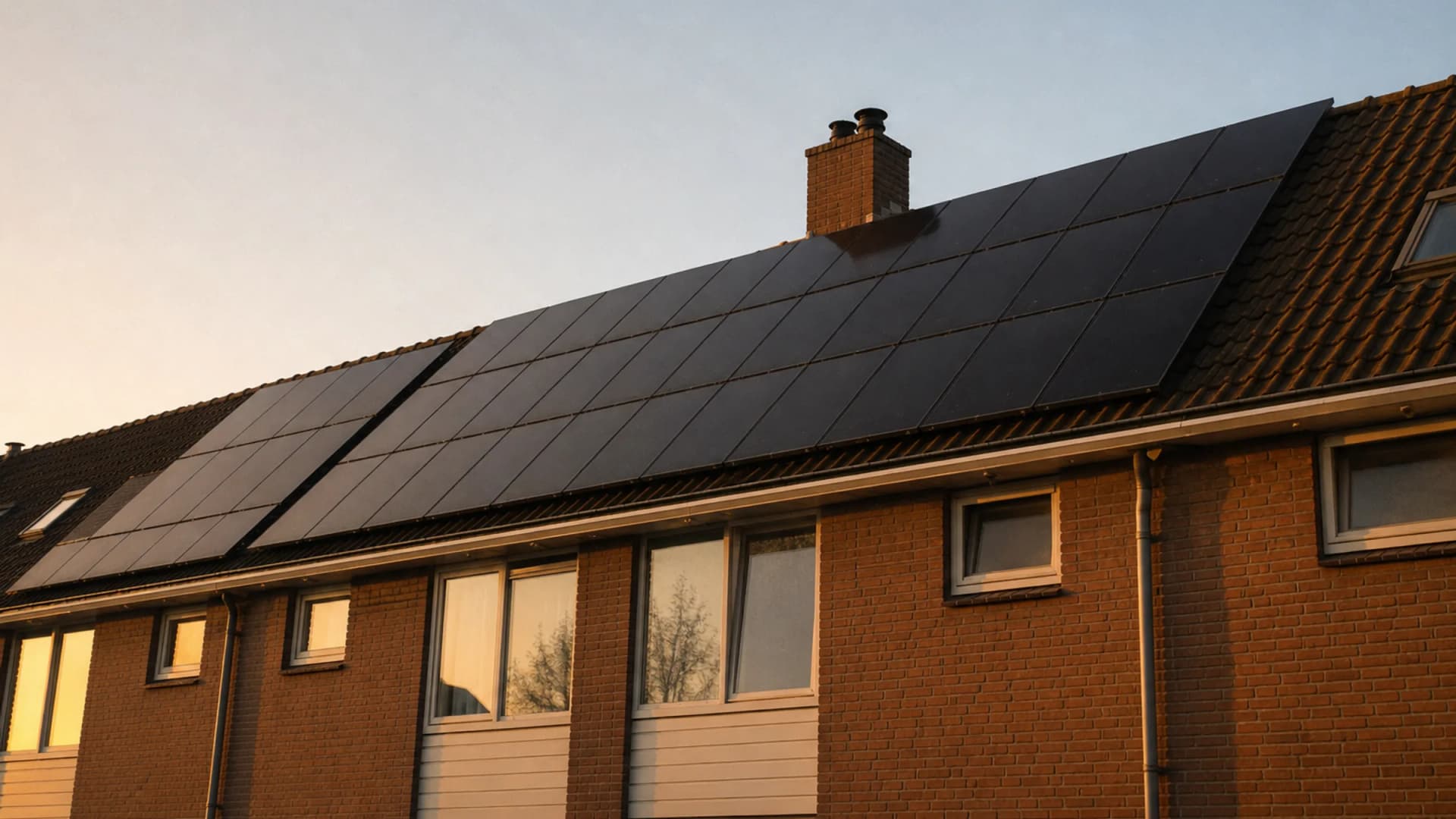
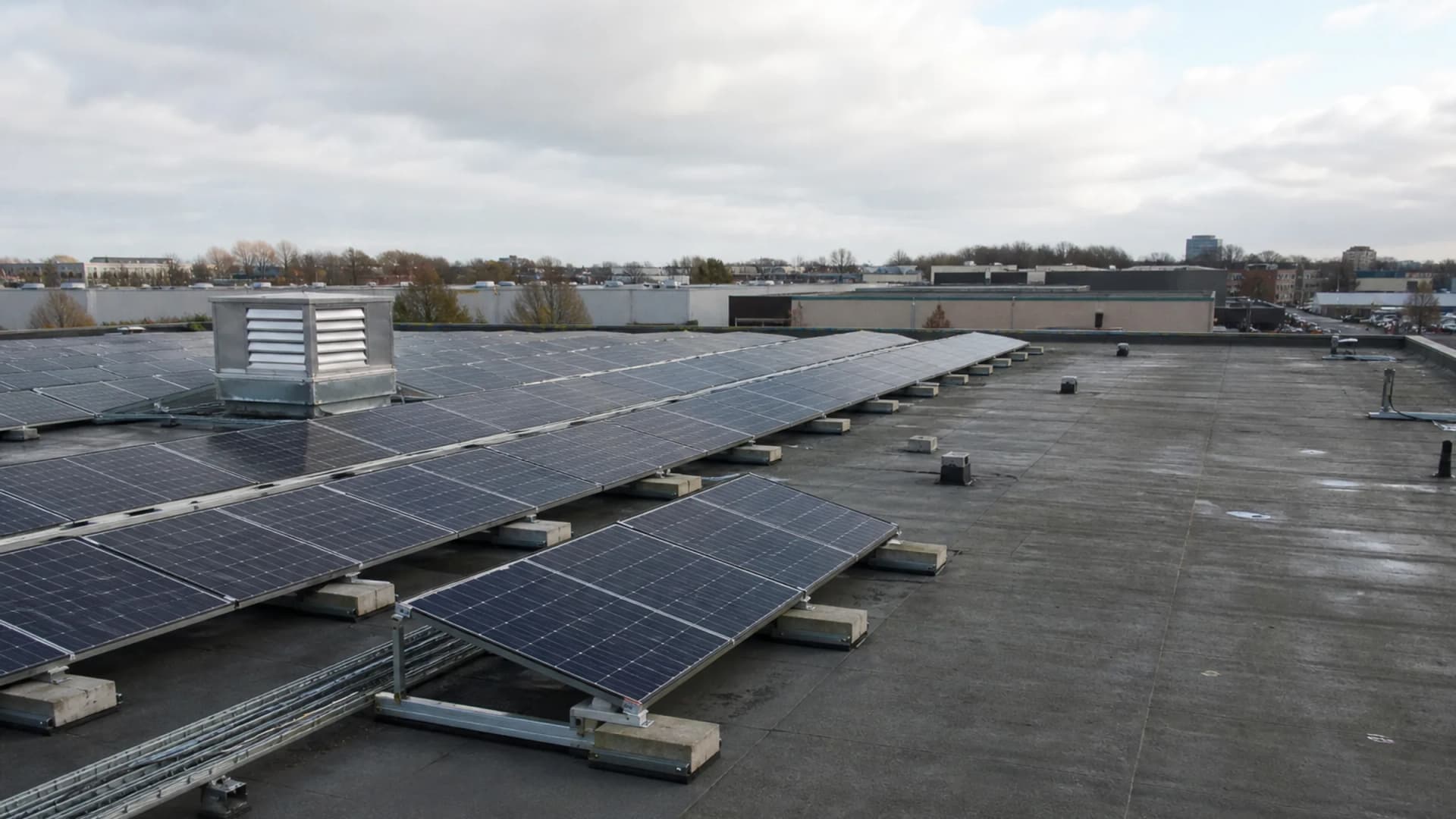
When your solar panels generate more than you use at that moment, the surplus goes to the grid. Your energy supplier pays you for it: the feed-in payment. You find the rate in your contract and the settlement on your annual statement, usually as an amount per exported kilowatt-hour.
Your supplier sets the rate itself, within one limit: the payment must be reasonable. The Netherlands Authority for Consumers and Markets (ACM) supervises this. When your supplier may change the rate depends on your contract type; the ACM explains how net metering and feeding back work (Dutch).
How high is the feed-in payment?
There is no nationwide fixed amount per kilowatt-hour. Your supplier puts the rate in your contract. Until net metering ends, the main rule is that it must be reasonable. From 1 January 2027, when net metering ends, a legal floor applies until 1 January 2030: at least 50 percent of your bare supply rate, the power price excluding energy tax and VAT.
Paying more is allowed; suppliers differ. What you keep net also depends on any feed-in charges. That line is not a payment, it is a cost. Judge them together.
Which power earns the payment?
While the net metering scheme runs, your supplier first offsets feed-in against your draw. Only the amount you export beyond what you draw earns the feed-in payment. For most households that is a limited share of their generation.
That changes on 1 January 2027, when net metering ends. From then on you receive the payment for all the power you export. The Energy Act sets a floor: until 1 January 2030 the payment is at least 50 percent of your bare supply rate, the power price excluding energy tax and VAT. Paying more is allowed; suppliers differ here. See the Dutch government's explanation of the end of net metering (Dutch).
Why is the payment lower than your supply rate?
Two reasons. The first is how your supply rate is built up: it includes energy tax, VAT and your supplier's costs. The feed-in payment only covers the bare power value, so the gap with what you pay per kWh is quickly large.
The second reason is the market. Your panels export mostly on sunny afternoons, exactly when the whole country exports and power is worth little on the wholesale market. Why the grid is congested at those very moments is covered under grid congestion.
Keeping payment, charges and net metering apart
Three arrangements interact on your annual statement. They look alike but each does something different.
| Arrangement | What it is | Where you find it |
|---|---|---|
| Feed-in payment | What your supplier pays for exported power | In your contract, as a rate per kWh |
| Feed-in charges | What your supplier bills for processing your export | Separate cost item, per month or per kWh |
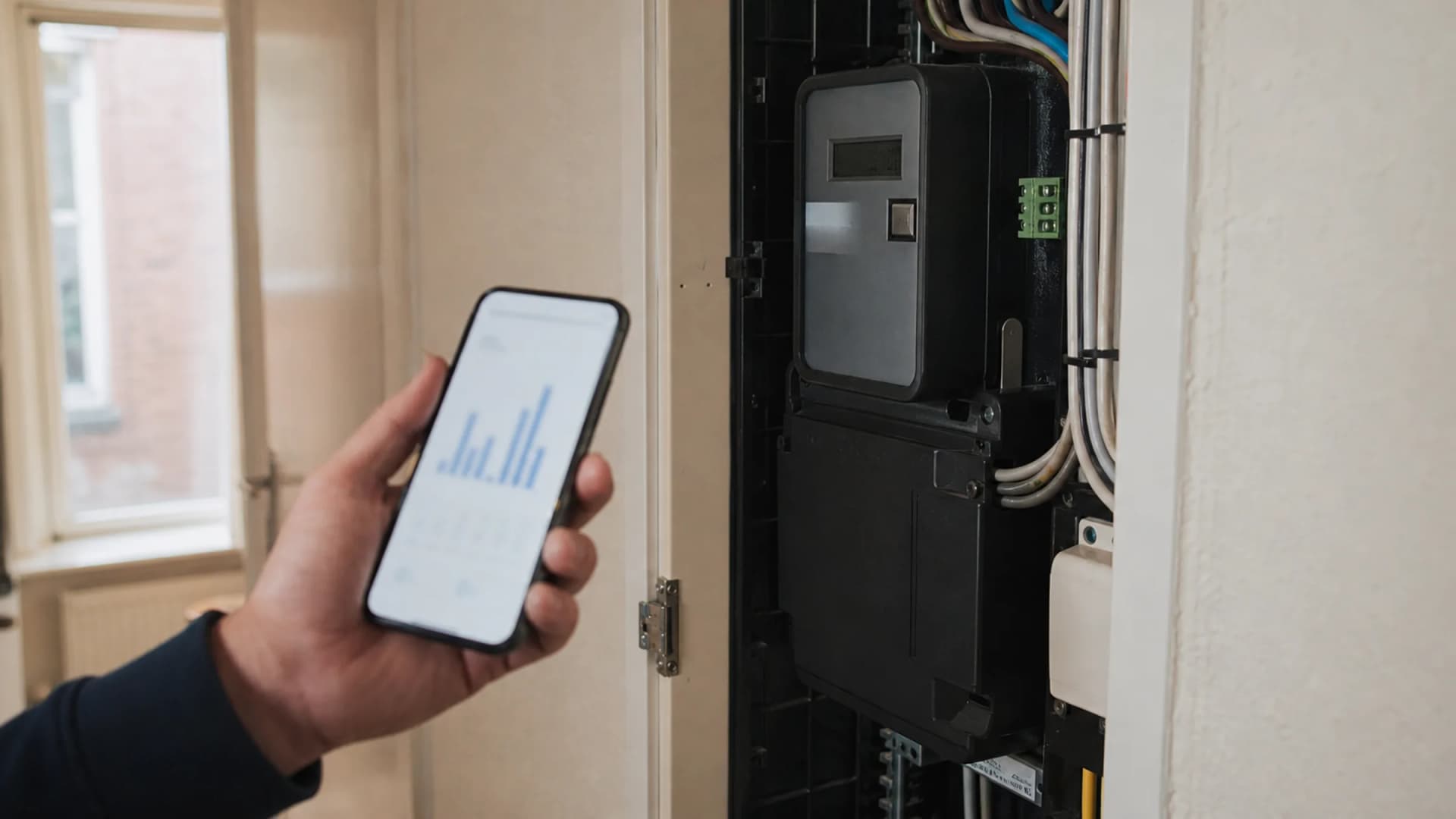
| Net metering | Offsetting export against draw, through the end of 2026 | Automatic on your annual statement |
Payment and charges are separate items. On some contracts the feed-in charges exceed the payment, so always judge the two together.
Fixed or dynamic: how your payment moves
On a fixed or variable contract the feed-in payment is a set amount per kWh, which your supplier may adjust under the contract terms. You know where you stand, but you do not benefit from expensive hours.
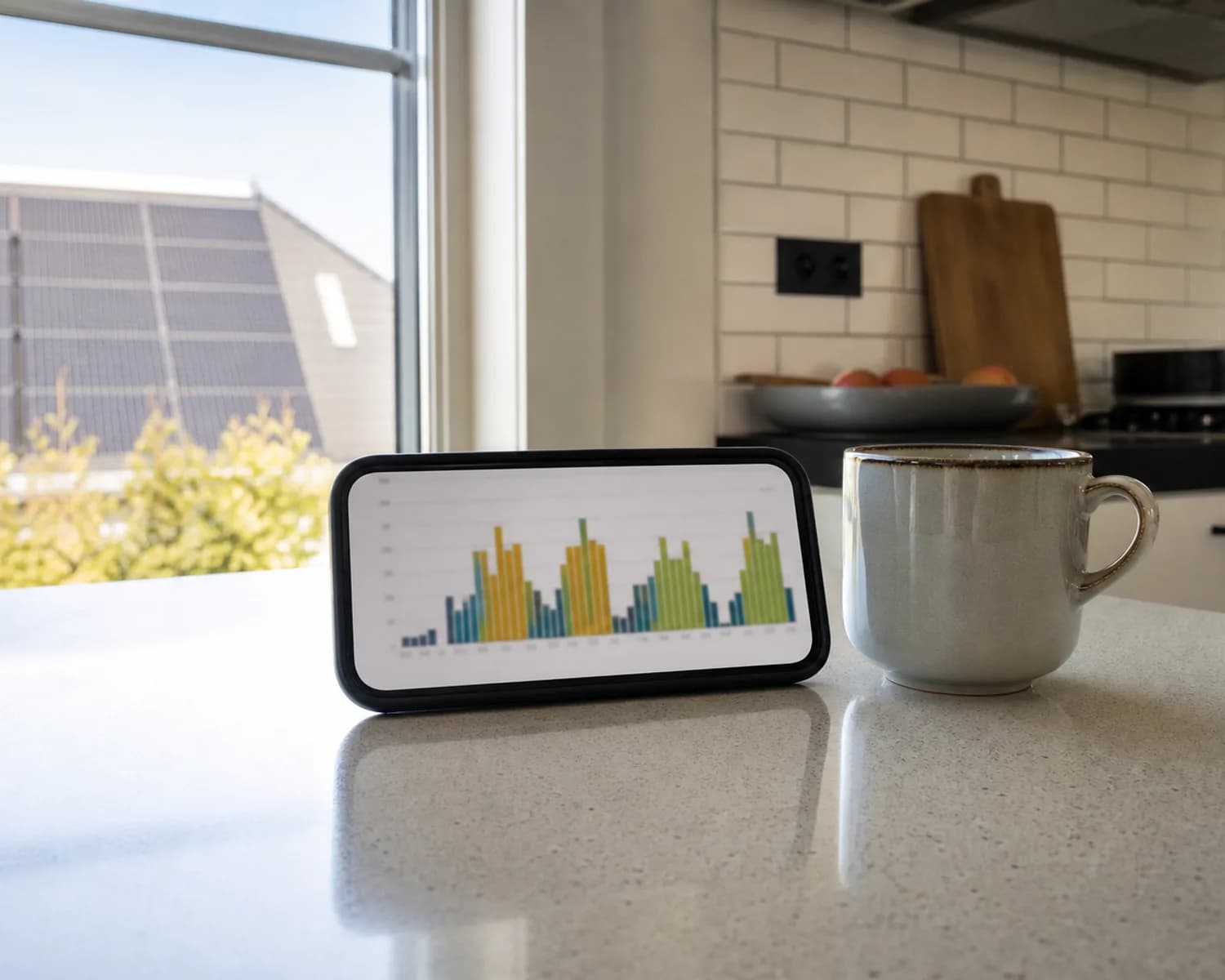
On a dynamic energy contract you export at the market price of that moment. On sunny afternoons that price is low, in the evening higher. If you can steer your export, for example with a home battery that discharges at expensive moments, you get more out of it than someone who sends everything to the grid at midday.
Depending less on the payment
The main lever is not the payment itself but how much power you export at all. Every kilowatt-hour you use directly is one you do not have to buy at your full rate. Per kWh that beats any feed-in payment.
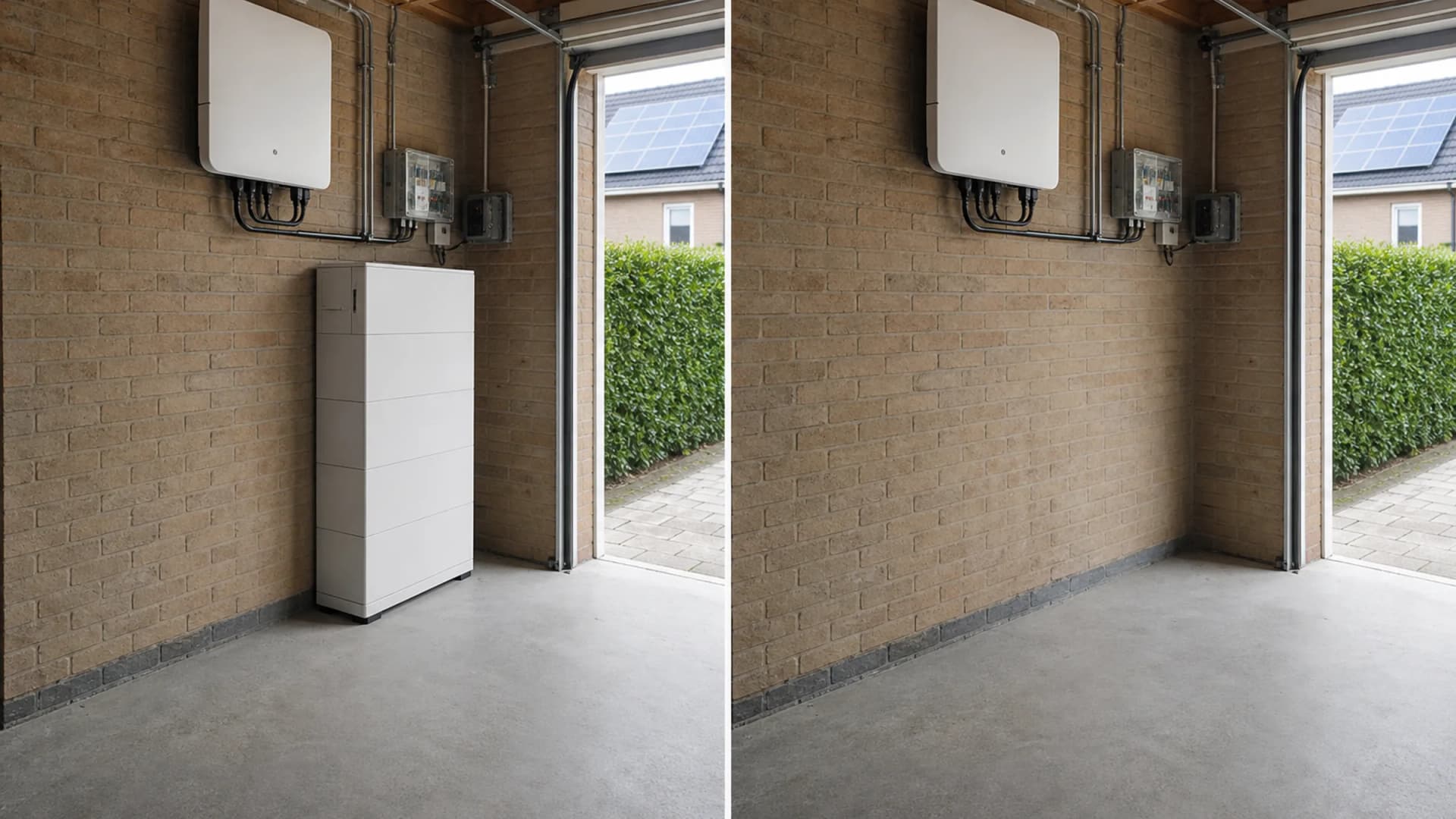
So shift usage to the solar hours; how to do that is covered in smart home energy control. And consider a home battery that keeps your midday surplus for the evening. Whether that step pays off for you is weighed up in the comparison with or without a home battery.
What SolarFast looks at
Our quotes do not flatter the maths with a high feed-in payment: it differs per supplier and can change. We size your system around what you use yourself, check whether a battery meaningfully raises that share and whether your inverter and meter box are ready for it. That keeps the payback period realistic, whichever contract you choose.
Curious what this means for your situation? Put your question to us and we will run the numbers with you.
Solar panels are still a smart investment in 2026. A few things matter if you want the most from your own power.
Your energy use
Planning to drive, cook or heat electrically? Factor that into how many panels you install now.
Spread the yield
Spread panels across roof faces so you generate through the day and use more of your own energy.
Your data
Choose a system with its own 4G connection and data storage in Europe so your information stays secure.
Boost your energy
A smart home battery stores today's power for later, so you use more of your own electricity after sunset.

We install your solar panels in a day
We can often start within three weeks. A day later your panels are on the roof and everything is connected. We leave your home clean and make sure you know exactly how it all works.
- Use more of your own power during the day
- 0% VAT makes the investment even more attractive
Frequently asked questions
The amount your energy supplier pays for power you export to the grid, usually as a rate per kilowatt-hour. It is in your contract and differs per supplier.
It is in your contract; there is no nationwide fixed rate. From 1 January 2027 a floor of 50 percent of your bare supply rate applies until 2030. Until then the payment must be reasonable.
Your energy supplier sets the rate itself, but the payment must be reasonable. The Netherlands Authority for Consumers and Markets (ACM) supervises this.
From 1 January 2027, when net metering ends, a legal floor applies: until 1 January 2030 at least 50 percent of your bare supply rate, the power price excluding energy tax and VAT. Before then no fixed percentage applies, only the requirement that the payment is reasonable.
Not while the net metering scheme applies: export is first offset against your draw and only the surplus earns the payment. From 1 January 2027 you receive the payment for all your exported power.
Your supply rate includes energy tax, VAT and supply costs; the payment only covers the bare power value. You also export mostly on sunny afternoons, when power is worth little on the market.
The feed-in payment is what you receive for exported power; feed-in charges are what your supplier bills for processing it. They are separate items in your contract. Judge them together to see what exporting yields on balance.
You then export at the hourly price of that moment. On sunny afternoons it is low, at expensive moments higher. With storage or smart steering you can shift export towards those expensive moments.
Yes. Compare suppliers on the payment and feed-in charges together, use more power while your panels generate and consider a home battery that keeps your surplus for the evening.

Discover what smart energy can do for you
In about an hour you get insight into your savings, the options for your home and when the investment pays back. Straightforward, honest advice so you know exactly where you stand.
Smart energy at home
- Upgrade your home with our smart battery
- Our solar panels deliver up to 25% more energy
- A heat pump to minimise your energy use
- Charge your electric car easily at home with an EV charger
Booking an advice call is easy
Fill in your details below. Within a day we will contact you to schedule a no-obligation advice call together.
Related articles