What is a dynamic energy contract?
Updated on 6 min read
A dynamic energy contract with solar panels: you pay the hourly price. When that fits, also with a home battery, and how feed-in then works.
All articles
With a dynamic energy contract the electricity price follows the market per hour or quarter-hour. With solar panels you often generate your own power during the day. Dynamic mainly helps with what you still buy besides that, best with a smart meter and shiftable use.
How does a dynamic contract work?
 Solar panels
Instead of a fixed amount per kilowatt-hour, you pay the market price at the moment you draw power. With a dynamic supply rate the price for electricity can change every quarter-hour, hour or day; gas usually has a daily rate. Prices follow the wholesale market: when they fall you notice immediately, when they rise you pay more.
Your supplier must explain the risks upfront and that future costs are hard to predict. How to shift use to cheap hours is covered separately on our page about smart home energy control.
Dynamic, variable or fixed
Three contract types are often confused. With a fixed contract your price is set for an agreed period. With a variable contract your supplier adjusts rates periodically, for example every quarter. With a dynamic contract the supply rate moves continuously with the market.
| Fixed | Variable | Dynamic | |
|---|---|---|---|
| Price changes | Fixed per contract period | Periodically by supplier | Per hour/quarter (power), day (gas) |
| Predictability | High | Medium | Low |
| Smart meter | Not required | Sometimes needed | Required |
| Cancellation fee | Often yes | Usually not | Usually not |
Suppliers must give a tailored offer for dynamic contracts with an explanation of risks.
Smart meter and hourly rates
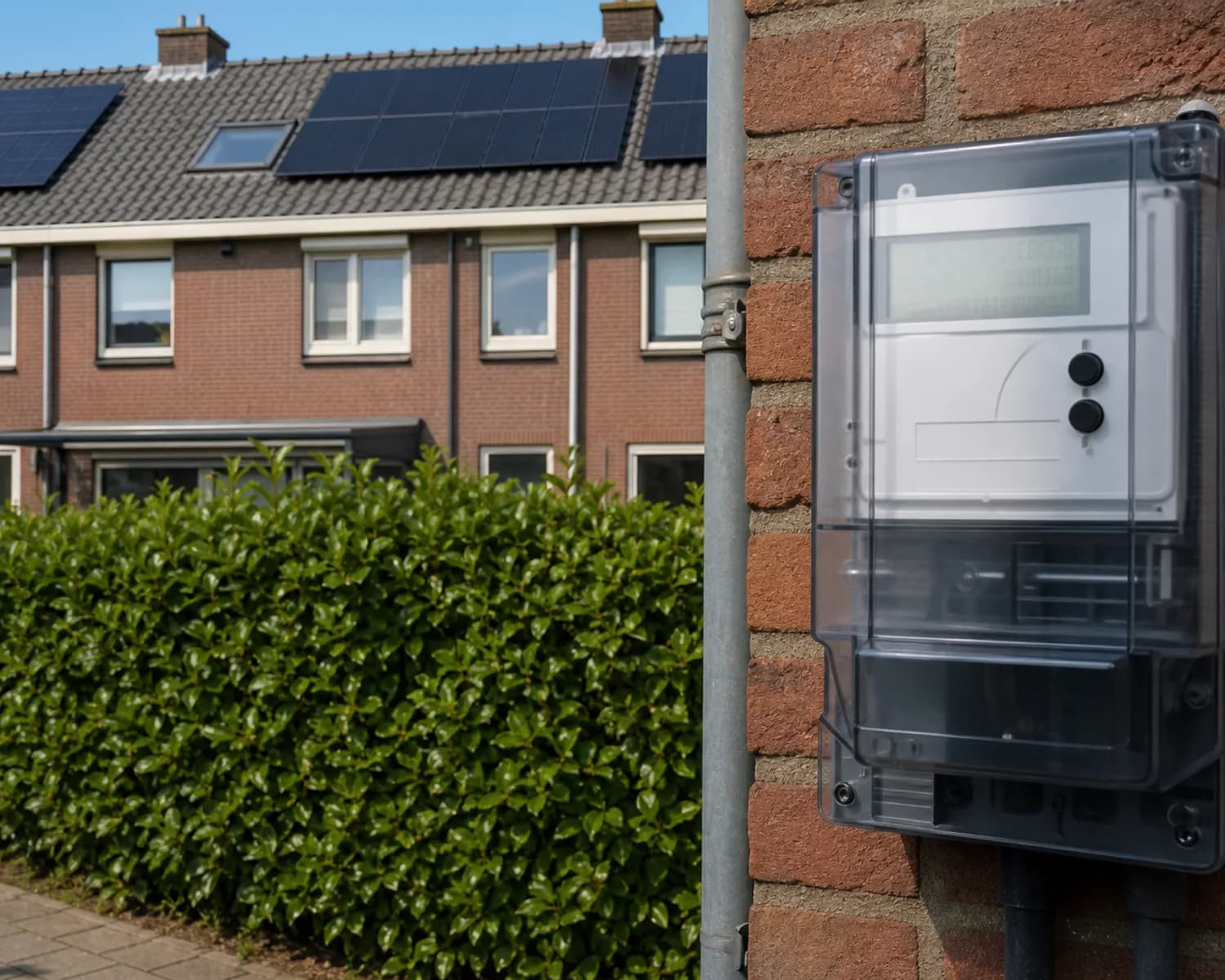
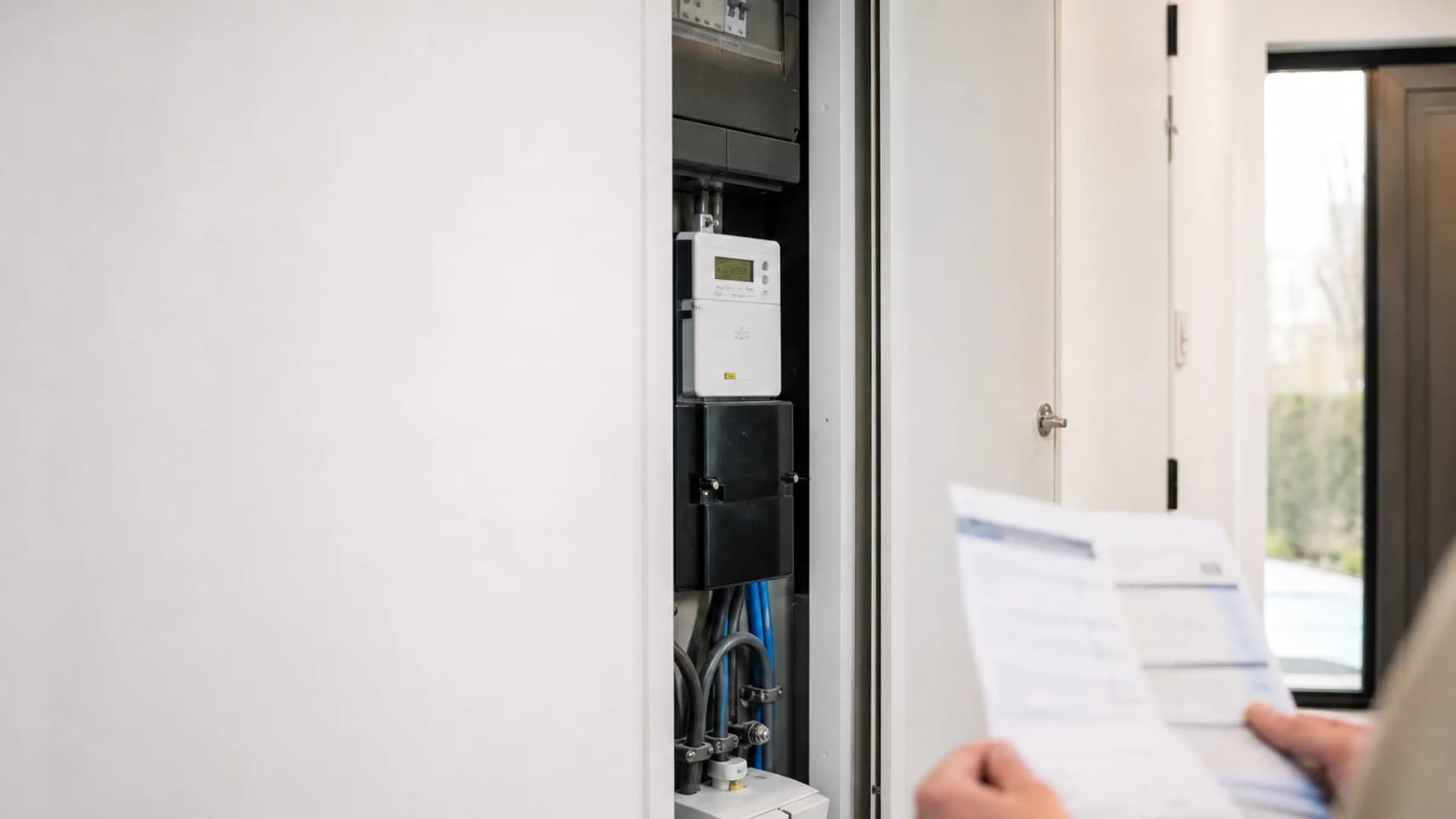
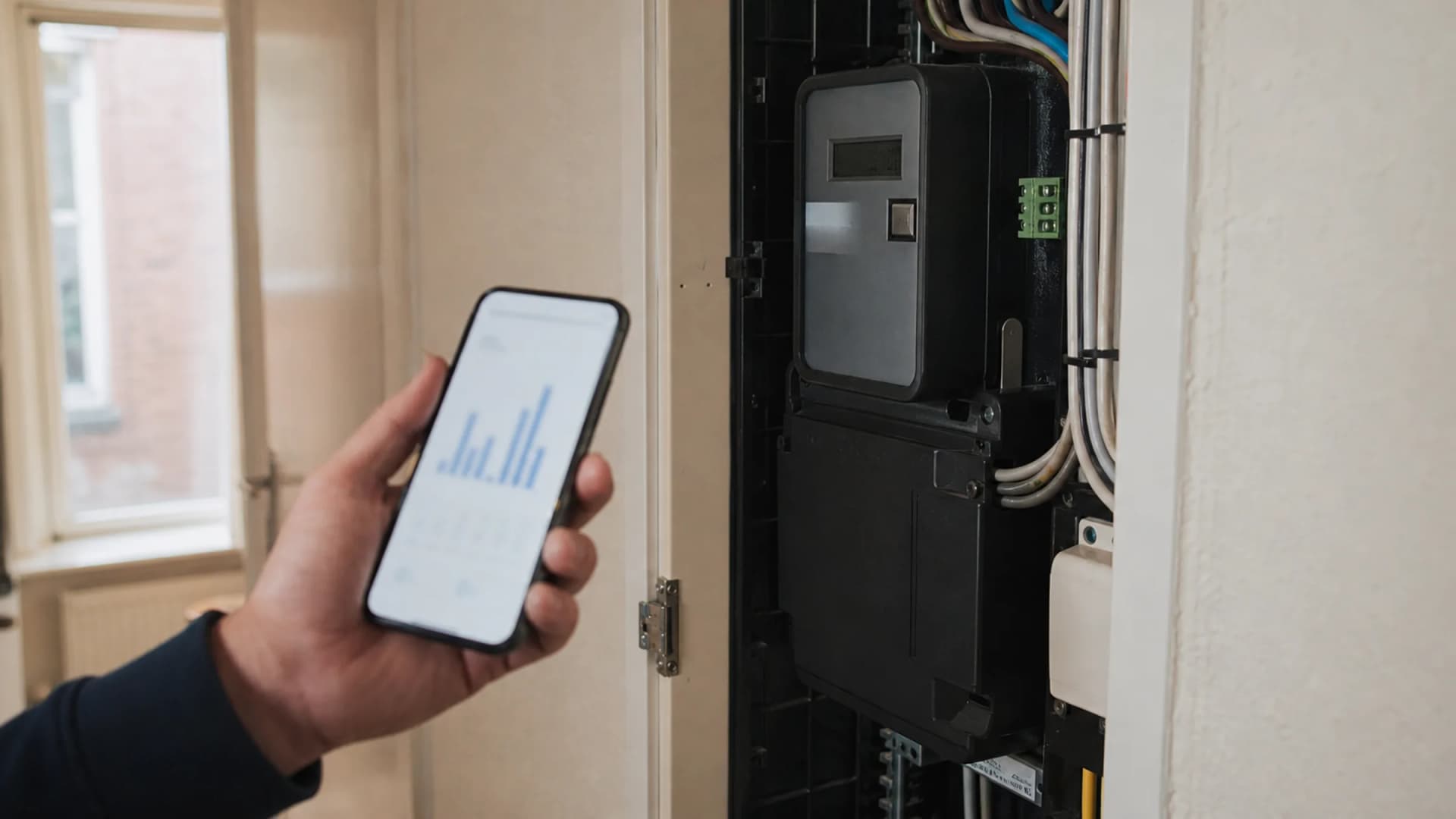
A dynamic contract requires a smart meter that can record your use per hour or quarter-hour. That way you pay the rate that applied when you consumed. Through your supplier's app or website you usually see the actual rates a day ahead, so you can plan when to charge or run large appliances.
Your grid operator passes meter readings to your supplier; you do not need to submit them manually.
Opportunities and risks
The upside: you benefit from cheap hours, for example at night or on sunny afternoons when a lot of wind and solar power is on the market. The downside: you do not know exactly what you will pay next year. Price peaks in the evening or on cold winter days can hurt if you need to buy a lot then.
Your supplier does provide a forecast in the tailored offer so you can compare contracts. That is an estimate, not a guarantee. Do not compare a dynamic contract one-to-one with a fixed rate without accounting for this risk.
Separate from your supplier rate, grid operators are working on flexible grid tariffs for consumers. That is a separate line on your energy bill. What the proposal entails is covered in our blog on the new grid tariffs.
Dynamic energy contract with solar panels
During the day your solar panels often generate the power your home uses: laundry, coffee, the fridge. What you do not need at that moment goes to the grid. A dynamic contract does not change that.
The contract mainly matters when you still need to buy power in the evening or in winter. Then you pay that hour's market price. Without a home battery or smart charging you shift little, so you still buy at peak moments. With a home battery you keep daytime solar for later, or charge from the grid when the price is low.
Unsure whether dynamic fits your roof and meter? Ask us. We review your use and system.
Dynamic energy contract and a home battery
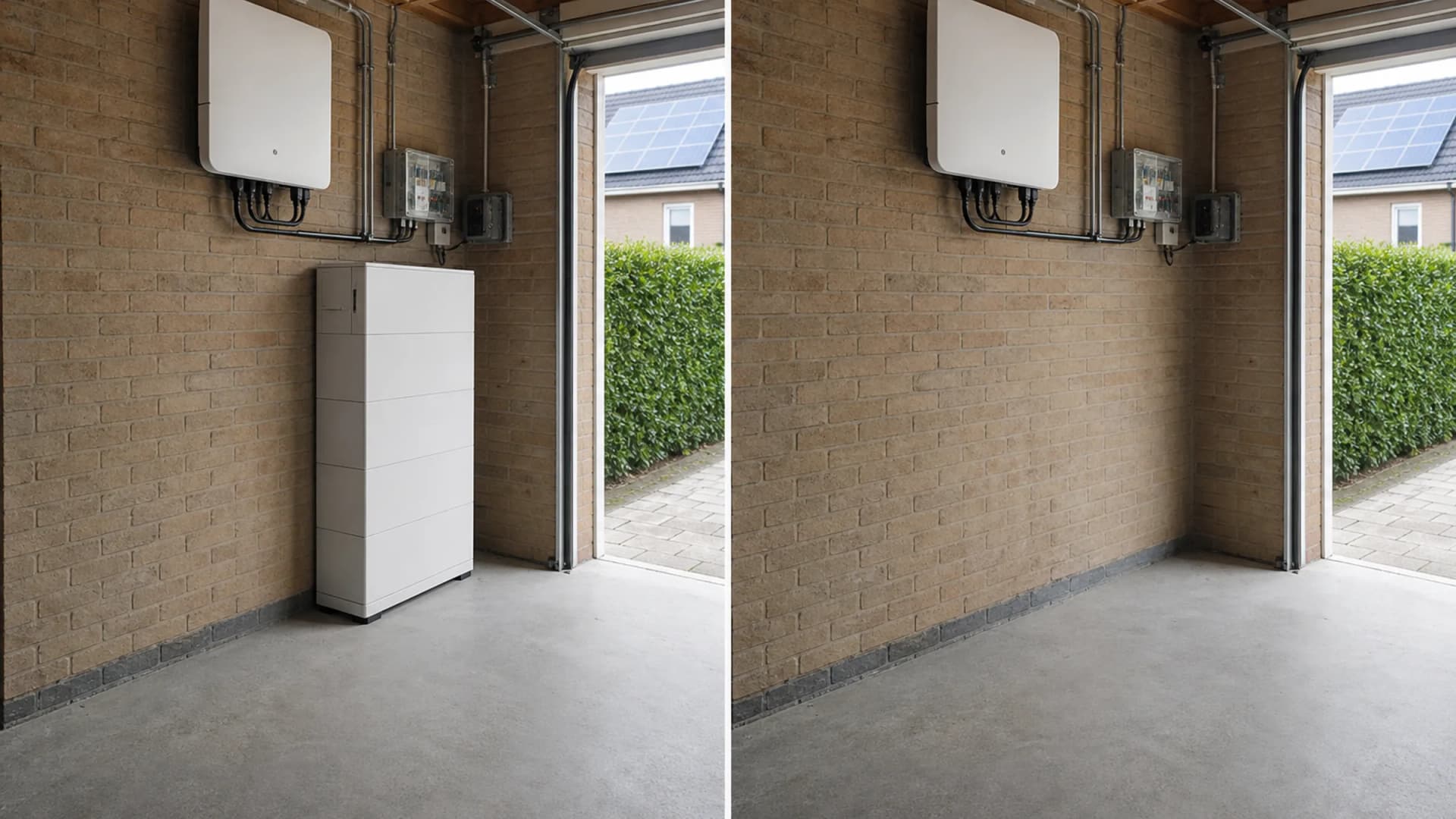
A home battery turns a dynamic contract into more than a rate on paper. You charge when power is cheap and use that power when the price peaks. That is steering for your own bill, separate from grid control through your supplier. The same applies to an EV charger that loads at night or on cheap hours.
Whether and how your battery links to a dynamic contract depends on the brand and the settings. We set that in the quote, not as a default for every system. How self-steering works is on smart home energy control.
Feed-in with a dynamic contract
If you feed in on a dynamic contract, you get the market price at that moment. On a sunny afternoon, when the whole country feeds in at once, that price is often low. Using the power yourself or storing it in a home battery is then worth more than sending it to the grid.
Net metering is something else: that is how your supplier settles feed-in against use over the year, regardless of whether your contract is fixed, variable or dynamic. How that settlement works is on our net metering page. What you get per kilowatt-hour is on feed-in payment.
Frank Energie and your SolarFast system
SolarFast works with one partner for dynamic contracts: Frank Energie. The app shows hourly rates, often a day ahead.
If you take their dynamic contract, or already have one, we link Hyxi and KStar to it. Dyness is steered through Smart Grid One. Sungrow steering is set in the quote. That is not a promise that every battery automatically buys the cheapest hours.
Solar panels are still a smart investment in 2026. A few things matter if you want the most from your own power.
Your energy use
Planning to drive, cook or heat electrically? Factor that into how many panels you install now.
Spread the yield
Spread panels across roof faces so you generate through the day and use more of your own energy.
Your data
Choose a system with its own 4G connection and data storage in Europe so your information stays secure.
Boost your energy
A smart home battery stores today's power for later, so you use more of your own electricity after sunset.

We install your solar panels in a day
We can often start within three weeks. A day later your panels are on the roof and everything is connected. We leave your home clean and make sure you know exactly how it all works.
- Use more of your own power during the day
- 0% VAT makes the investment even more attractive
Frequently asked questions
You pay the market price at the moment you draw power, per hour or quarter-hour. Rates usually show a day ahead in your supplier's app. Without a smart meter that is not possible.
The same as a dynamic energy contract: you pay the hourly or quarter-hour price at that moment. How that price is set is covered above under How does a dynamic contract work.
With variable, your supplier adjusts rates periodically under your contract. With dynamic, the supply rate follows the market continuously. Dynamic is therefore less predictable, but you can benefit more from cheap hours.
It can be. During the day your panels often generate for you. Dynamic mainly helps with what you still need to buy in the evening or in winter. Without a home battery or smart charging the benefit is smaller, because you still buy at peak moments.
The battery can charge when power is cheap and use that power later when the price peaks. Whether that happens automatically depends on brand, settings, and whether you take a Frank contract or already have one. Not every system links the same way.
You get the market price at that moment. On sunny afternoons that is often low. Net metering stays a separate yearly settlement, regardless of contract type. More is on our net metering and feed-in payment pages.
Yes. Without a smart meter your supplier cannot bill per hour or quarter-hour at the dynamic rate.
With dynamic contracts you usually pay no cancellation fee, but terms differ by supplier. The notice period is in your contract; see also the tailored offer.
It can be, if you can shift use to cheap hours. Without smart charging or storage the benefit is smaller and the price less predictable. We do not quote a standard amount; that depends on your meter and system.

Discover what smart energy can do for you
In about an hour you get insight into your savings, the options for your home and when the investment pays back. Straightforward, honest advice so you know exactly where you stand.
Smart energy at home
- Upgrade your home with our smart battery
- Our solar panels deliver up to 25% more energy
- A heat pump to minimise your energy use
- Charge your electric car easily at home with an EV charger
Booking an advice call is easy
Fill in your details below. Within a day we will contact you to schedule a no-obligation advice call together.
Related articles