Join grid control: where and how to sign up
Posted on Updated on 5 min read
Check whether you can join with your EV charger, home battery or hybrid heat pump: which regions are live, which suppliers take part and how to sign up.
All articles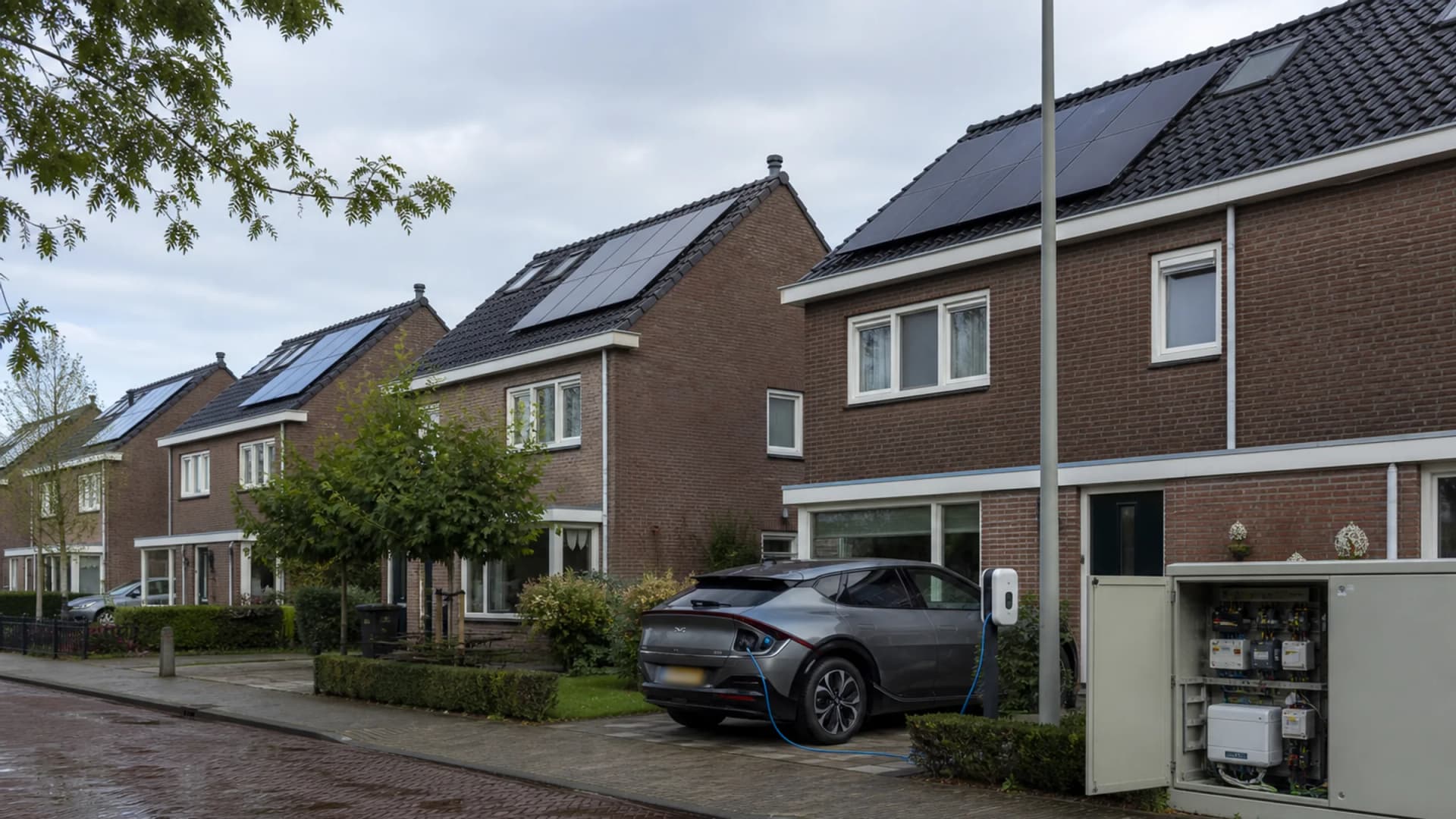
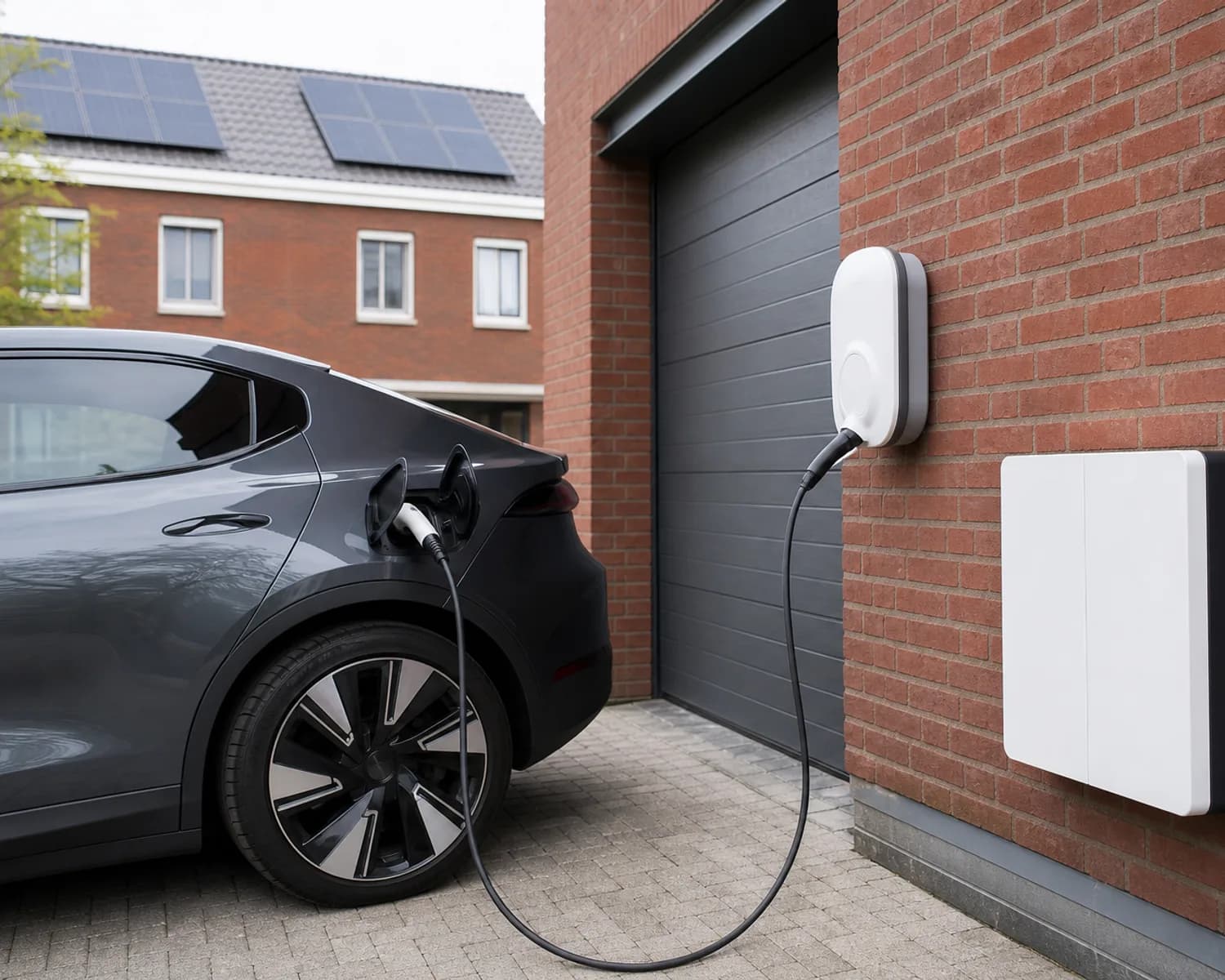
Grid operators are looking for households willing to let their EV charger, home battery or hybrid heat pump help out during busy moments. In late June 2026 they announced a major scale-up together with energy suppliers. It is not running everywhere yet, and not for everyone; this page helps you judge, soberly, whether you can join and how to arrange it. Want to know what grid control is and how it works first? Read our explainer on grid control. Want to manage your energy use more broadly, outside these schemes too? See smart home energy management. Below is the practical side: where, with which supplier, and the steps to take.

Can you join? Run through this check
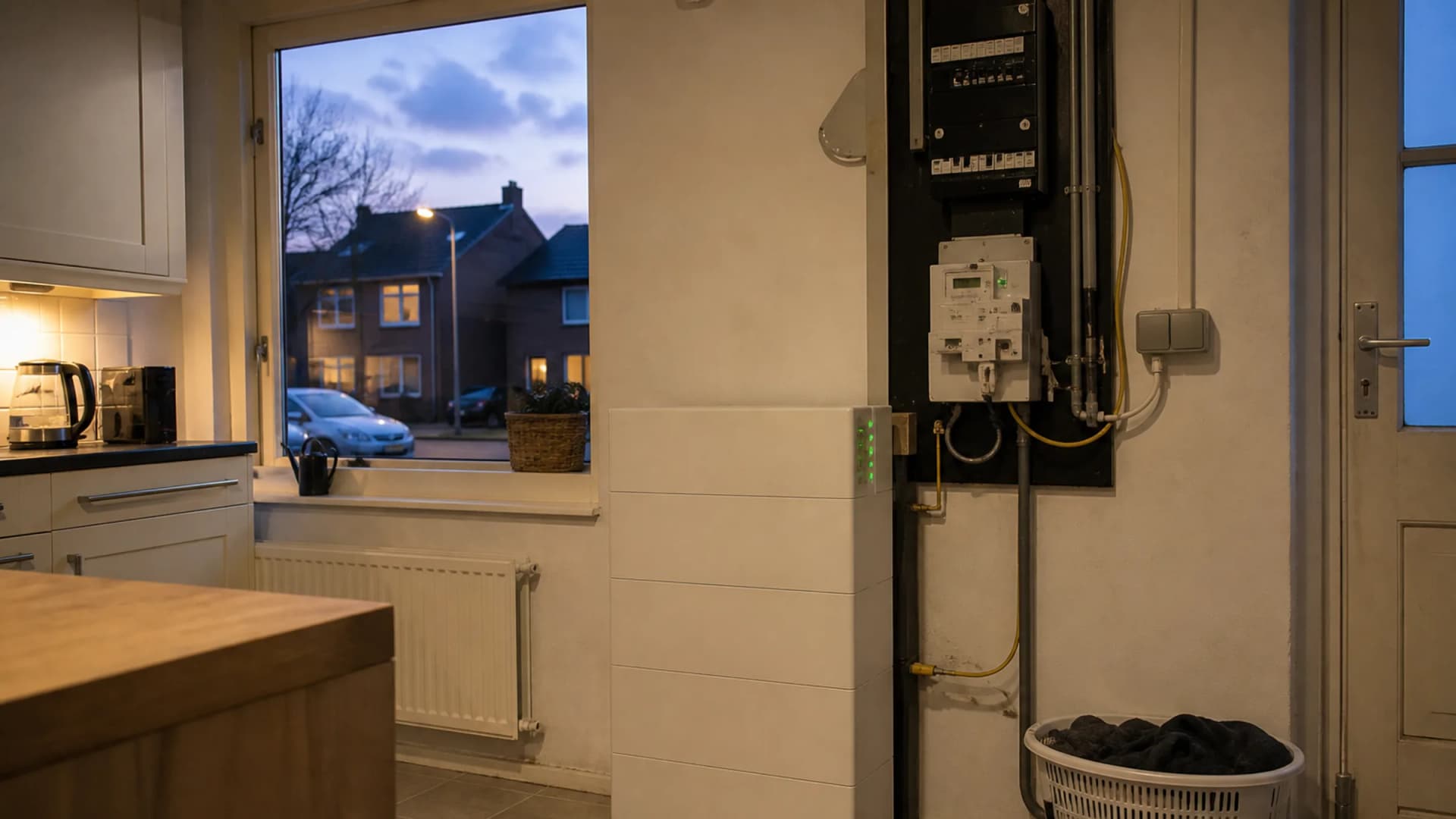
 Smart home battery
Whether you can take part comes down to four things. Run through them before reading on:
| Check | What you need |
|---|---|
| Postcode and neighbourhood | Your address is in an area where the programme runs |
| Device | A home charger, a home battery or a hybrid heat pump |
| Supplier | Your energy supplier takes part in grid control |
| Compatibility | Your device can be steered remotely, sometimes via a smart meter or a software update |
If all four are green, there is a good chance you can join. If one is missing, it may still happen later: grid operators keep expanding the area and the list of suppliers step by step.
Which regions are live now?
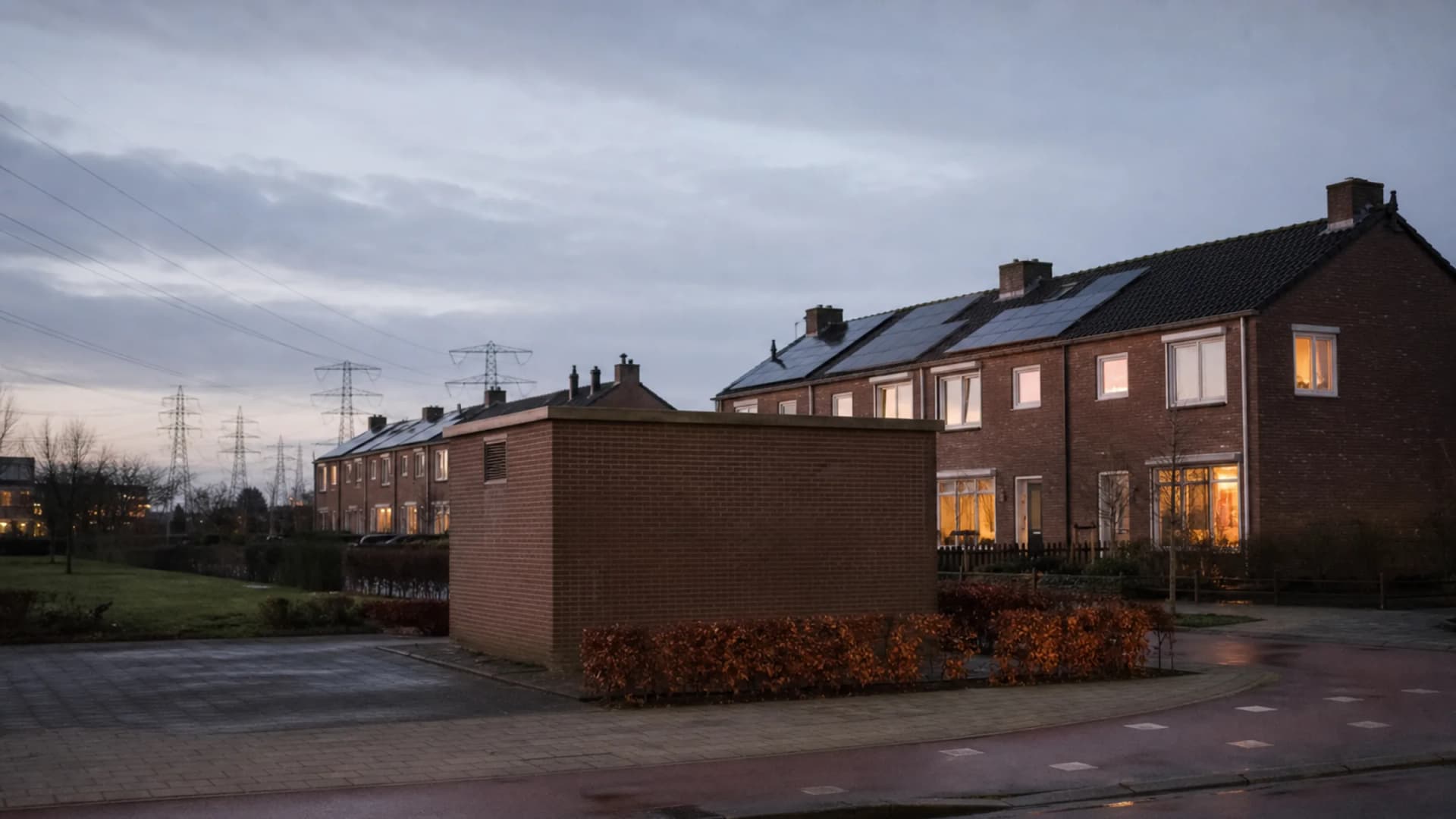
It runs in selected neighbourhoods and postcodes in Gelderland, Utrecht, parts of the Flevopolder and North Brabant. These are areas where the grid is busiest in the evening, mainly in winter between 4 pm and 9 pm. For chargers a narrower window is often used, from 5 pm to 9 pm.
Urgency differs per region. In April 2026 it became public that part of the province of Utrecht faces a connection pause; in Gelderland and the Flevopolder, the cooperation between grid operators and suppliers has so far helped prevent a broad connection pause for new homes. If you live in such an area and have a suitable device, you may qualify. If you live just outside it, there is no place for now, though the area keeps growing.
Which suppliers take part, and for which device?
You do not sign up with the grid operator, but with your energy supplier. At the June 2026 scale-up the programme counted nine participating suppliers, and that number is still growing. Not every supplier takes part, and the offer differs per device:
1. EV charger: Easee and Vattenfall, among others.
2. Home battery: Frank Energie, among others.
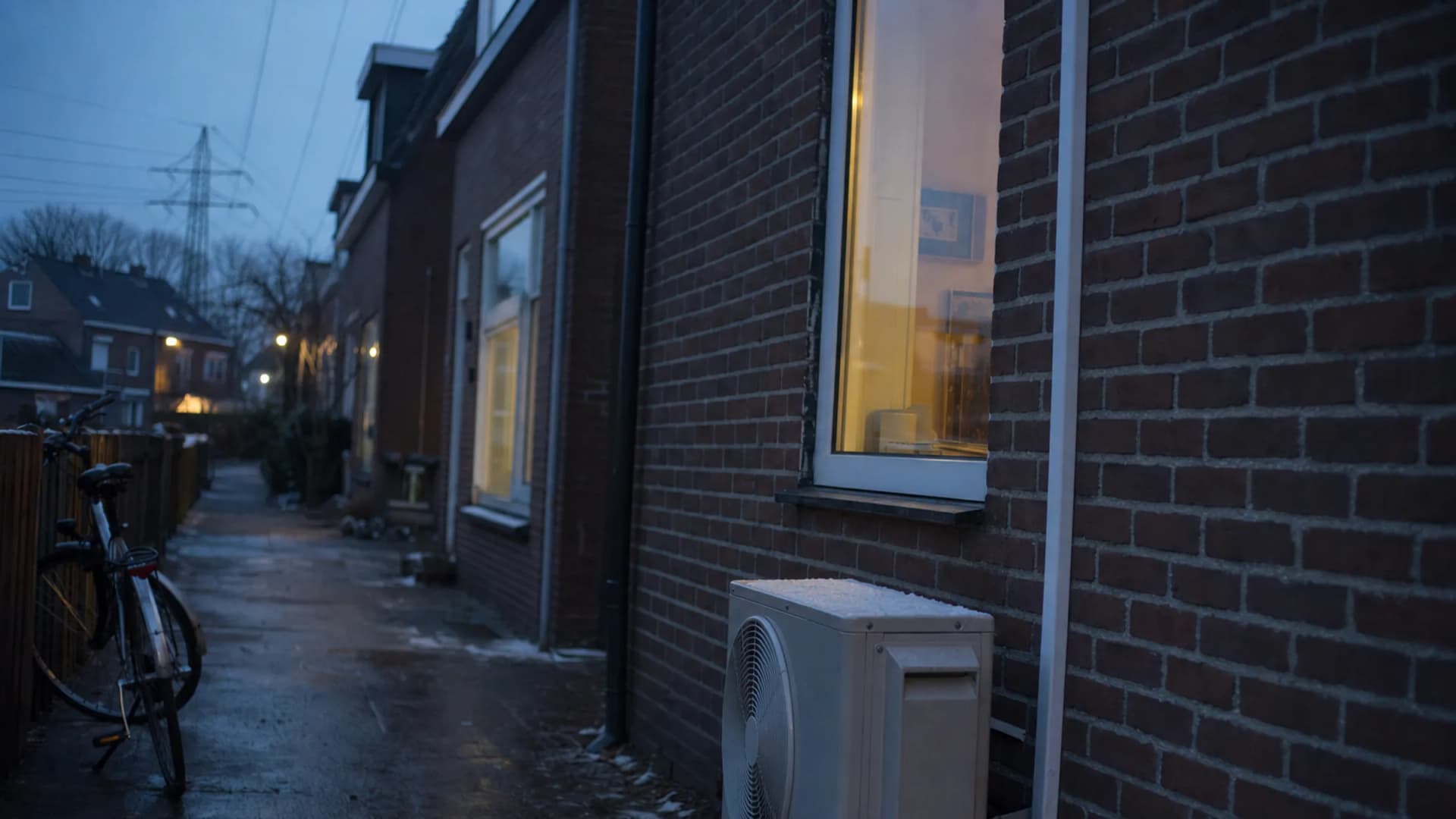
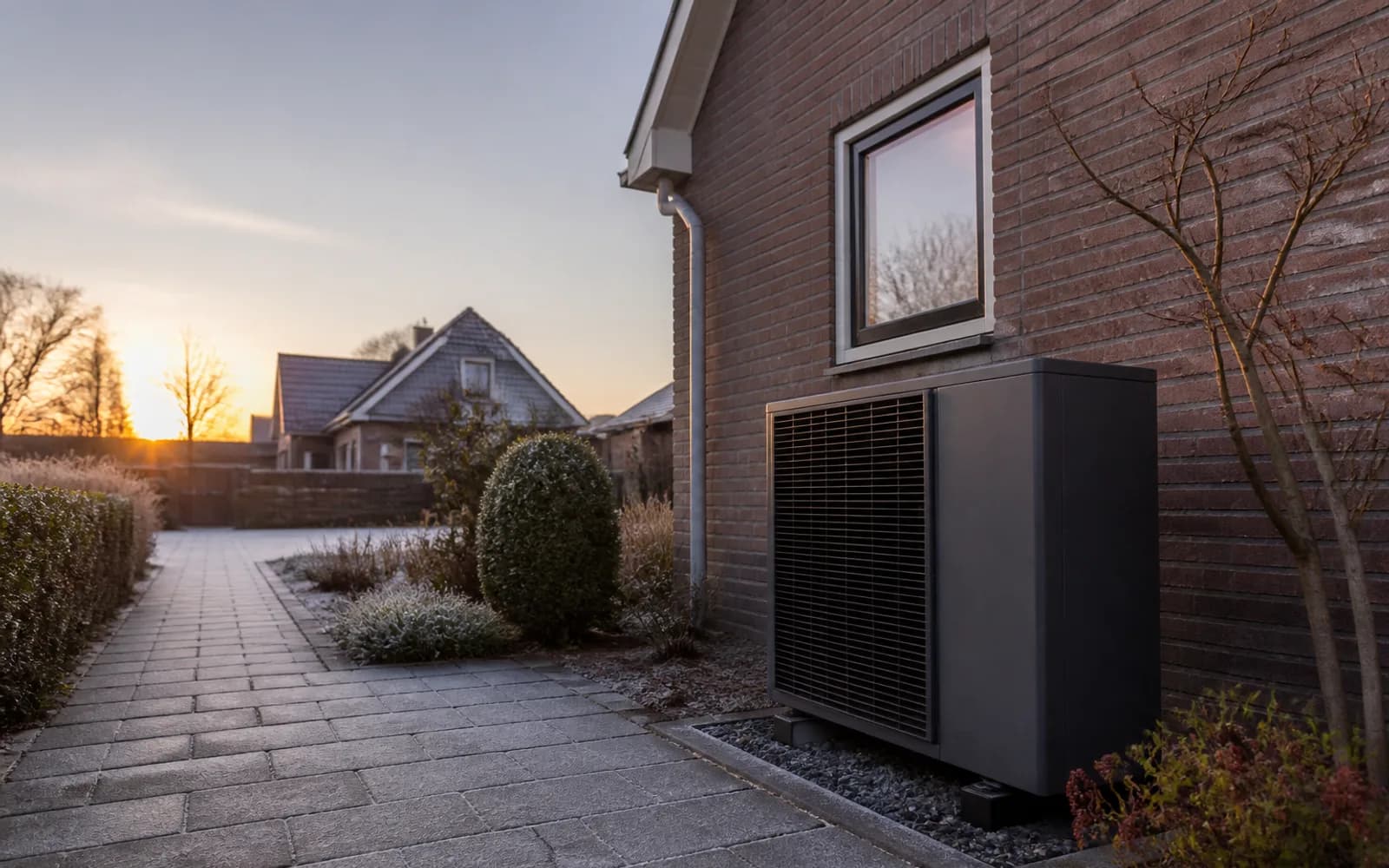
3. Hybrid heat pump: Greenchoice (together with Intergas and Remeha).
4. Worth knowing: whether a supplier fits you depends on your postcode, device and contract. So the list differs per address and still changes regularly.
How to sign up
Signing up itself is not complicated. Broadly, it goes like this:
1. Check your postcode with a participating supplier; there is often a postcode checker on their site.
2. Choose the device you want to let take part: charger, home battery or hybrid heat pump.
3. Ask whether your brand and inverter are supported and whether you need a smart meter.
4. Give your approval through your contract or your supplier's scheme.
5. After that you set nothing yourself: the steering happens automatically in the background.
From pilot to 255 megawatts
The programme started a year earlier on a small scale: about 35,000 households across 21 areas with a congested grid could take part, and hundreds did. In January 2026 the programme counted more than 2,200 chargers, about 85 home batteries and more than 500 hybrid heat pumps.
In late June 2026 came the big step: grid operators Enexis, Liander and Stedin announced, together with energy suppliers, a scale-up towards 50,000 to 70,000 participating households. Together that should free up 255 megawatts of flexible capacity that grid operators can deploy when overload looms, comparable to the power of the city of Haarlem. On 1 July the grid operators published the market tender 'KV Flex Smart devices' for it.
One striking gap: chargers are well ahead of home batteries. A battery is a bigger investment, so it follows more slowly. If you already have solar panels and are thinking about a home battery, now is the time to watch for steerability.
What do you get for it?
There is compensation for taking part, paid through your energy supplier. The grid operator makes that compensation available; the supplier turns it into an offer. Some providers already mention indicative amounts, but a fixed rate that applies to everyone does not exist yet. How and when you are paid differs per contract.
So do not expect an earner. Most participants join because it takes little effort and helps the grid, with a modest payment as a bonus. Exactly how grid control is paid and arranged, we explain on the page about grid control.
Conclusion
In short: if you live in a selected neighbourhood in Gelderland, Utrecht, the Flevopolder or North Brabant, have a suitable and steerable device, and your supplier takes part, you can probably join. With the scale-up towards 50,000 to 70,000 households, the odds grow that your area and supplier are next.
Thinking about a charger or home battery alongside your solar panels? Then pick equipment that is ready to take part from the start. SolarFast helps you choose a setup that works now and can join later. Request a no-obligation quote.
Read more
Solar panels are still a smart investment in 2026. A few things matter if you want the most from your own power.
Your energy use
Planning to drive, cook or heat electrically? Factor that into how many panels you install now.
Spread the yield
Spread panels across roof faces so you generate through the day and use more of your own energy.
Your data
Choose a system with its own 4G connection and data storage in Europe so your information stays secure.
Boost your energy
A smart home battery stores today's power for later, so you use more of your own electricity after sunset.
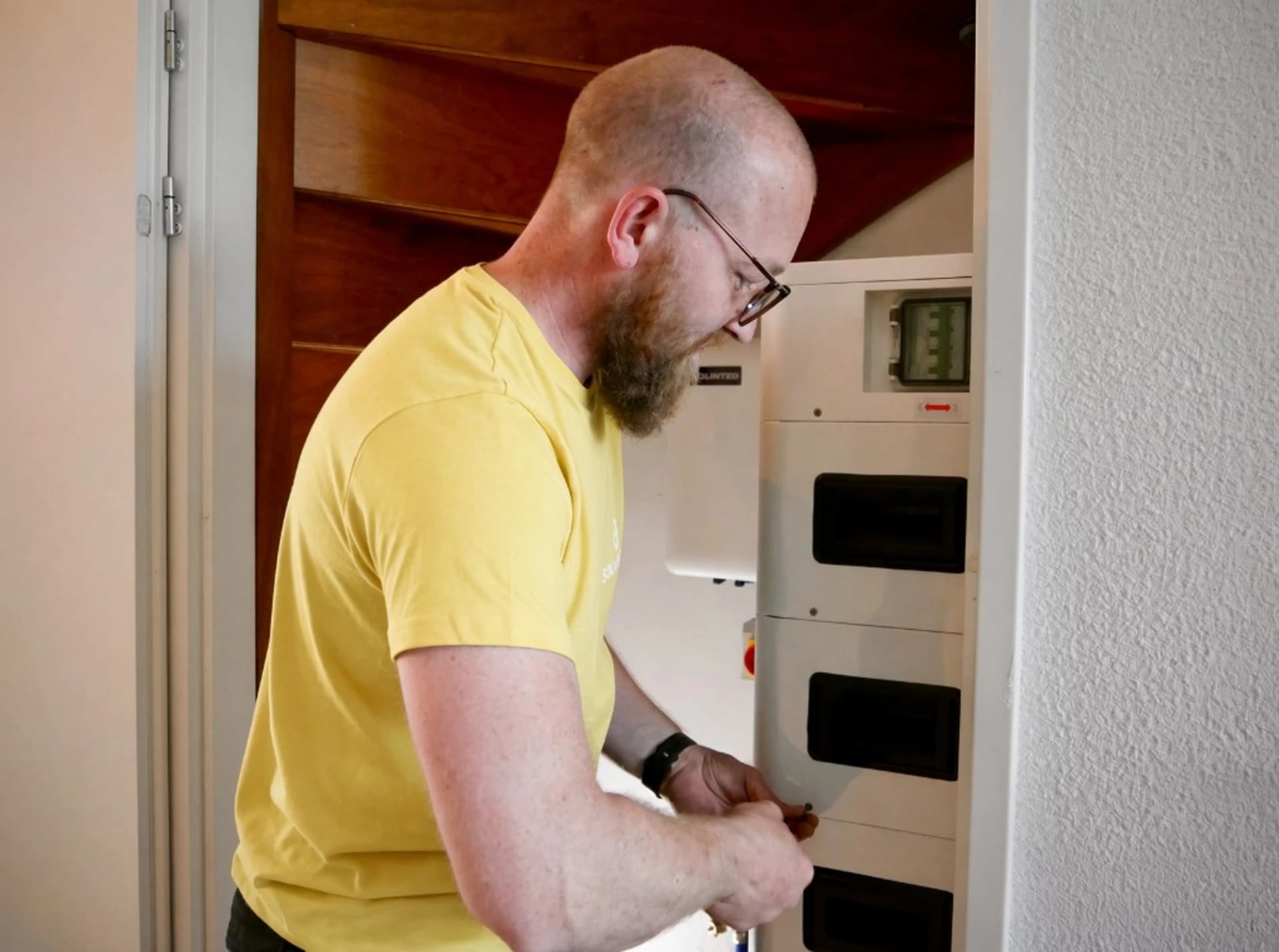
We install your home battery
Usually within three weeks. Our installers fit the battery neatly and safely by your fuse box. We leave your home clean and make sure you know exactly how it all works.
- Charge smart when power is cheap
- Keep power until you need it

Discover what smart energy can do for you
In about an hour you get insight into your savings, the options for your home and when the investment pays back. Straightforward, honest advice so you know exactly where you stand.
Smart energy at home
- Upgrade your home with our smart battery
- Our solar panels deliver up to 25% more energy
- A heat pump to minimise your energy use
- Charge your electric car easily at home with an EV charger
Booking an advice call is easy
Fill in your details below. Within a day we will contact you to schedule a no-obligation advice call together.
Related articles