What does COP mean for a heat pump?
Updated on 4 min read
A heat pump COP is how much heat you get per kWh of power. What COP means versus SCOP, and how to read the figure in a quote.
All articles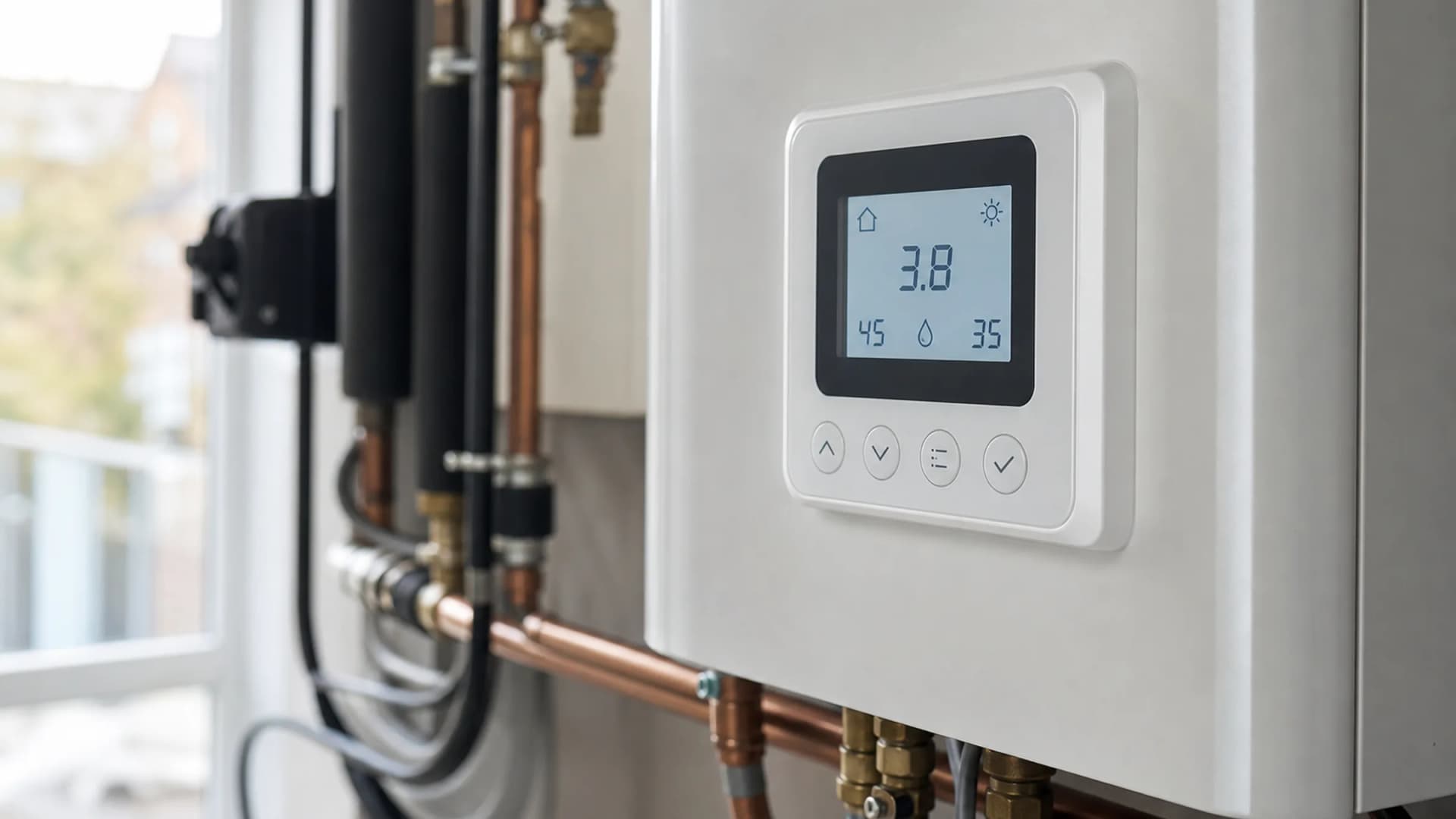
A heat pump COP tells you how much heat you get per kilowatt-hour of power. COP is a snapshot under fixed test conditions; SCOP is the average over a full heating season and therefore the fairest figure to calculate with. The higher, the more efficient.
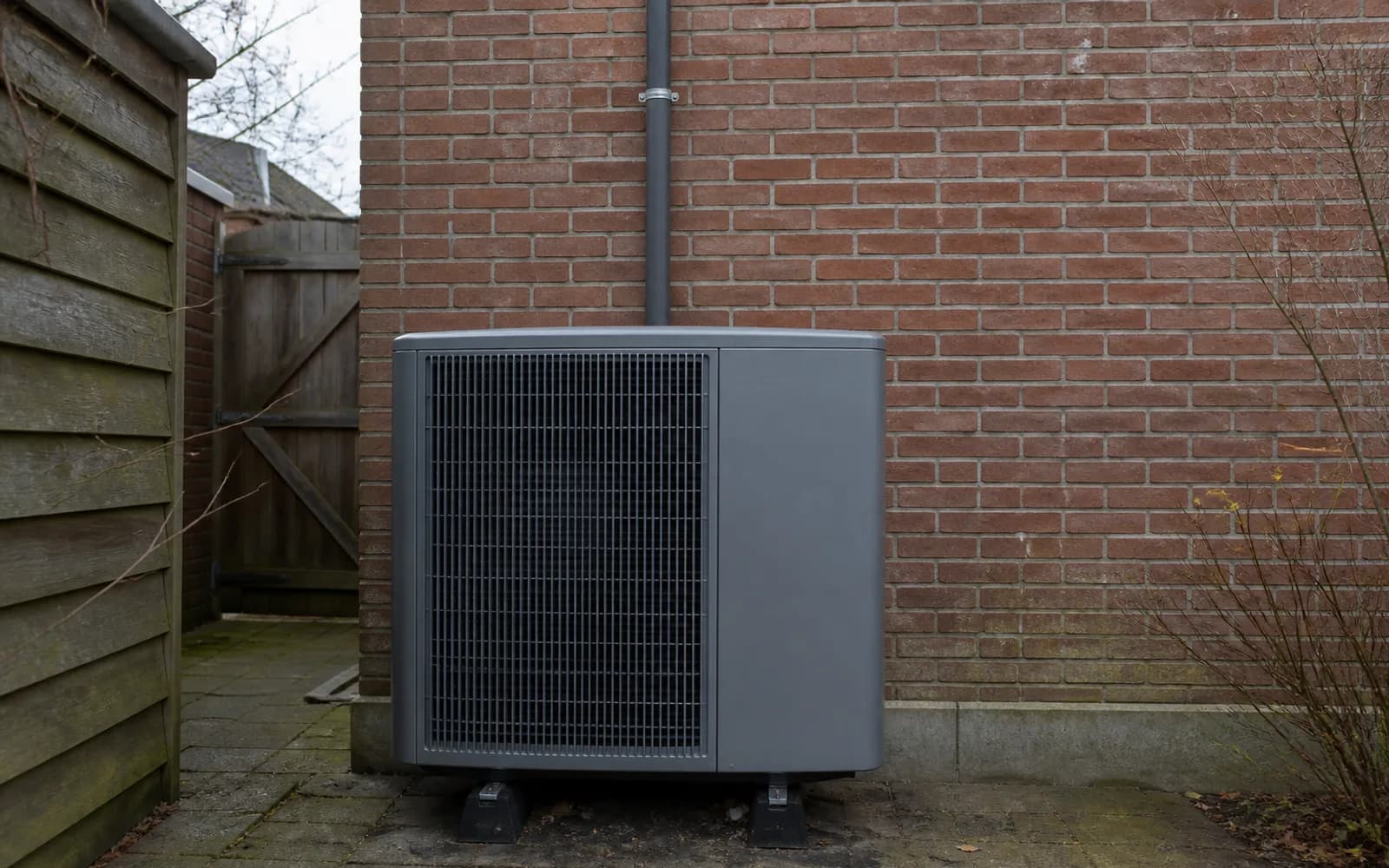
What COP means in plain language
 Heat pump
A heat pump COP is the ratio between the heat the unit delivers and the power it uses to do so. COP stands for Coefficient of Performance. A COP of 4 means one kilowatt-hour of power yields four kilowatt-hours of heat; the rest of the energy comes from the outdoor air or the ground.
That COP is a snapshot at one fixed combination of outdoor temperature and supply temperature. Manufacturers measure it under test conditions so units can be compared fairly. On a cold winter day with hot radiators, the real efficiency is lower than that single brochure figure.
What is SCOP?
SCOP stands for Seasonal Coefficient of Performance: the same principle, but averaged over a full heating season, so including cold and mild days. The measurement method is fixed in a European test standard; the figure appears on the unit's energy label. Because that covers the whole season, it is the number to calculate with, not the peak COP.
What that delivers in practice: from one kilowatt-hour of power a heat pump makes three to five kilowatt-hours of heat. For comparison: an electric heater turns one kilowatt-hour of power into exactly one kilowatt-hour of heat.
COP versus SCOP
In short: COP is the brochure figure on one test day, SCOP is the seasonal average you calculate with.
| Figure | What it measures | What you use it for |
|---|---|---|
| COP | Snapshot at one test temperature | Comparing units in the brochure |
| SCOP | Average over a full heating season | Estimating power use; it appears on the energy label |
The heat-demand divided by that seasonal figure is in what a heat pump consumes.
From seasonal efficiency to power consumption
With that seasonal figure you can make a first estimate of power consumption yourself: divide your home's heat demand by it. If your house needs 12,000 kilowatt-hours of heat per year and the heat pump has a SCOP of 4, the estimate comes to about 3,000 kilowatt-hours of power.
That sum is deliberately rough: the real outcome depends on insulation, heat delivery system and heating habits. How to estimate your own home's heat demand and what it means for your energy bill is covered in detail in what a heat pump consumes.
What pushes efficiency down in practice?
The biggest lever is the supply temperature: the hotter the water to your radiators or floor has to be, the lower the efficiency. Underfloor heating or generously sized low-temperature radiators keep seasonal efficiency high; small old radiators push it down. That is why heat delivery and insulation belong in every heat pump quote.
How SolarFast uses these figures
During the site survey we do not calculate with the prettiest COP from the brochure, but with the SCOP that matches your supply temperature and heat demand. That prevents the expected consumption on paper being lower than what the meter shows later. Curious what that means for your home? See our heat pump page and request a quote.
Solar panels are still a smart investment in 2026. A few things matter if you want the most from your own power.
Your energy use
Planning to drive, cook or heat electrically? Factor that into how many panels you install now.
Spread the yield
Spread panels across roof faces so you generate through the day and use more of your own energy.
Your data
Choose a system with its own 4G connection and data storage in Europe so your information stays secure.
Boost your energy
A smart home battery stores today's power for later, so you use more of your own electricity after sunset.
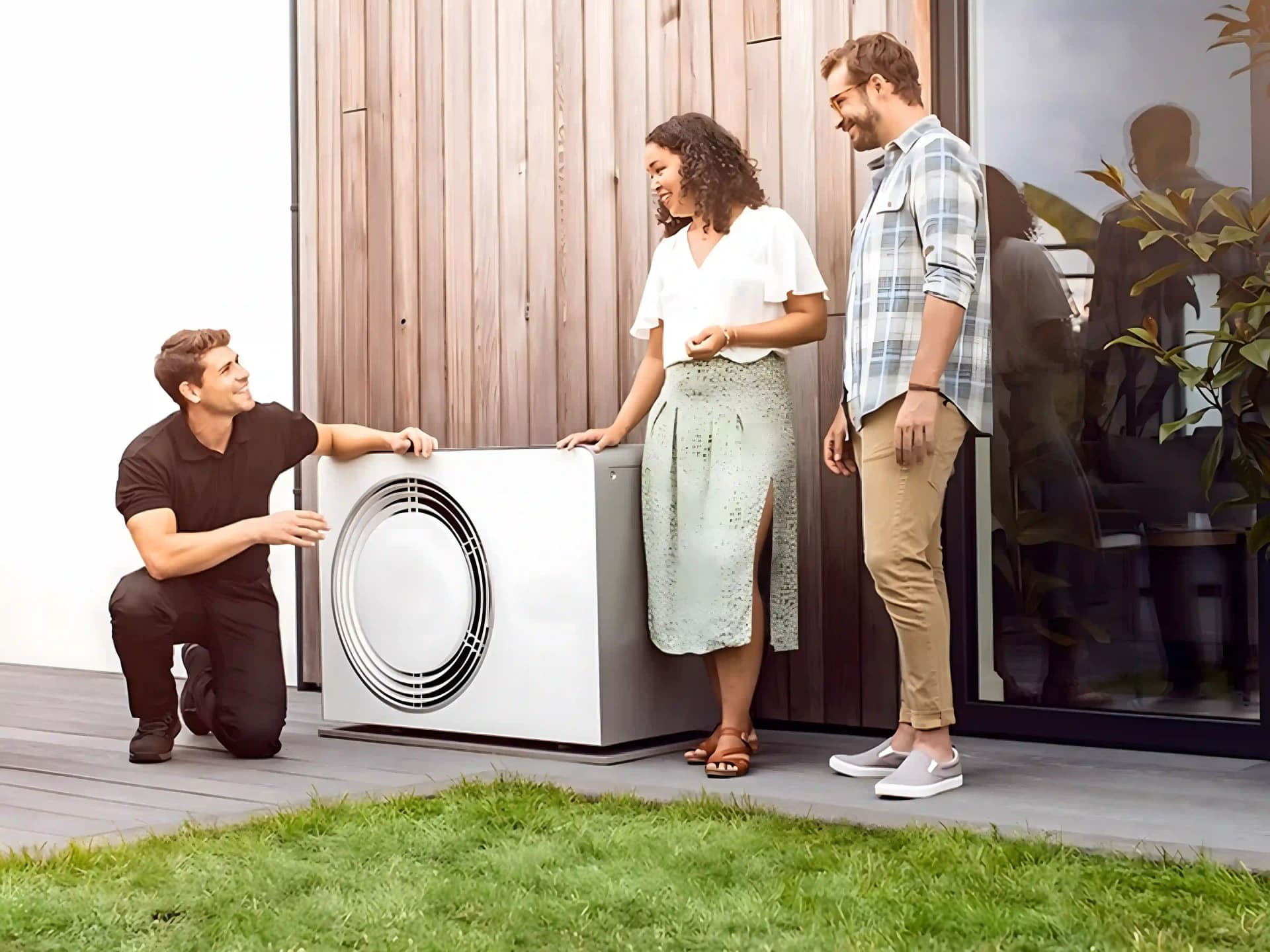
We install your heat pump
Usually within a few weeks. Our installers fit the heat pump and calmly explain how it works.
- Use structurally less gas
- Comfort all year round
Frequently asked questions
COP is how much heat your heat pump makes per kilowatt-hour of power. A COP of 4 means one kilowatt-hour of power, four kilowatt-hours of heat. It is a snapshot at one test temperature; for your yearly use, look at the SCOP.
The higher, the more efficient. Modern air-to-water heat pumps typically reach a SCOP of around 4 with a suitable heat delivery system; with underfloor heating it is higher than with hot radiators. The figure appears on the unit's energy label.
COP is a snapshot at one fixed test temperature; SCOP is the average over a full heating season. For a realistic estimate of your consumption, calculate with that seasonal average.
Because that COP is measured under ideal test conditions. On cold days and at high supply temperatures the real efficiency is lower. That is normal; that is why the seasonal average is the fairer figure.
Divide your home's annual heat demand (in kWh) by the seasonal figure. A home with a 12,000 kWh heat demand and a value of 4 comes to about 3,000 kWh of power. It is a first estimate; insulation and heating habits determine the real outcome.
Yes, a heat pump's energy label is based on seasonal efficiency. The quote should state the SCOP matching your system's supply temperature; ask for it if it is missing.

Discover what smart energy can do for you
In about an hour you get insight into your savings, the options for your home and when the investment pays back. Straightforward, honest advice so you know exactly where you stand.
Smart energy at home
- Upgrade your home with our smart battery
- Our solar panels deliver up to 25% more energy
- A heat pump to minimise your energy use
- Charge your electric car easily at home with an EV charger
Booking an advice call is easy
Fill in your details below. Within a day we will contact you to schedule a no-obligation advice call together.
Related articles