Glass-glass vs glass-foil solar panels compared
6 min read
Glass-glass or glass-foil solar panels? The honest difference in lifespan, warranty, weight and price, and when each build makes sense for your roof.
All comparisons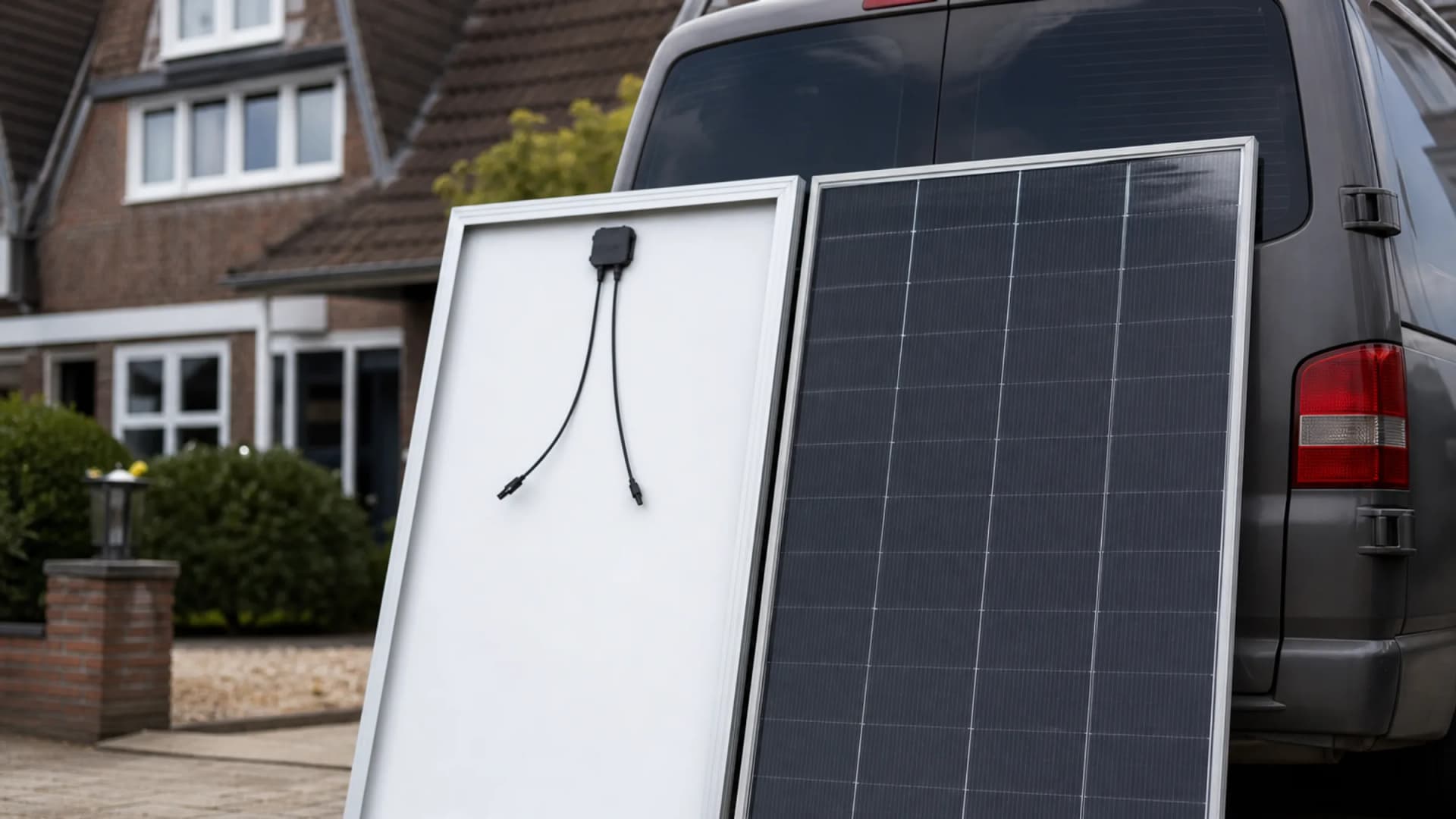
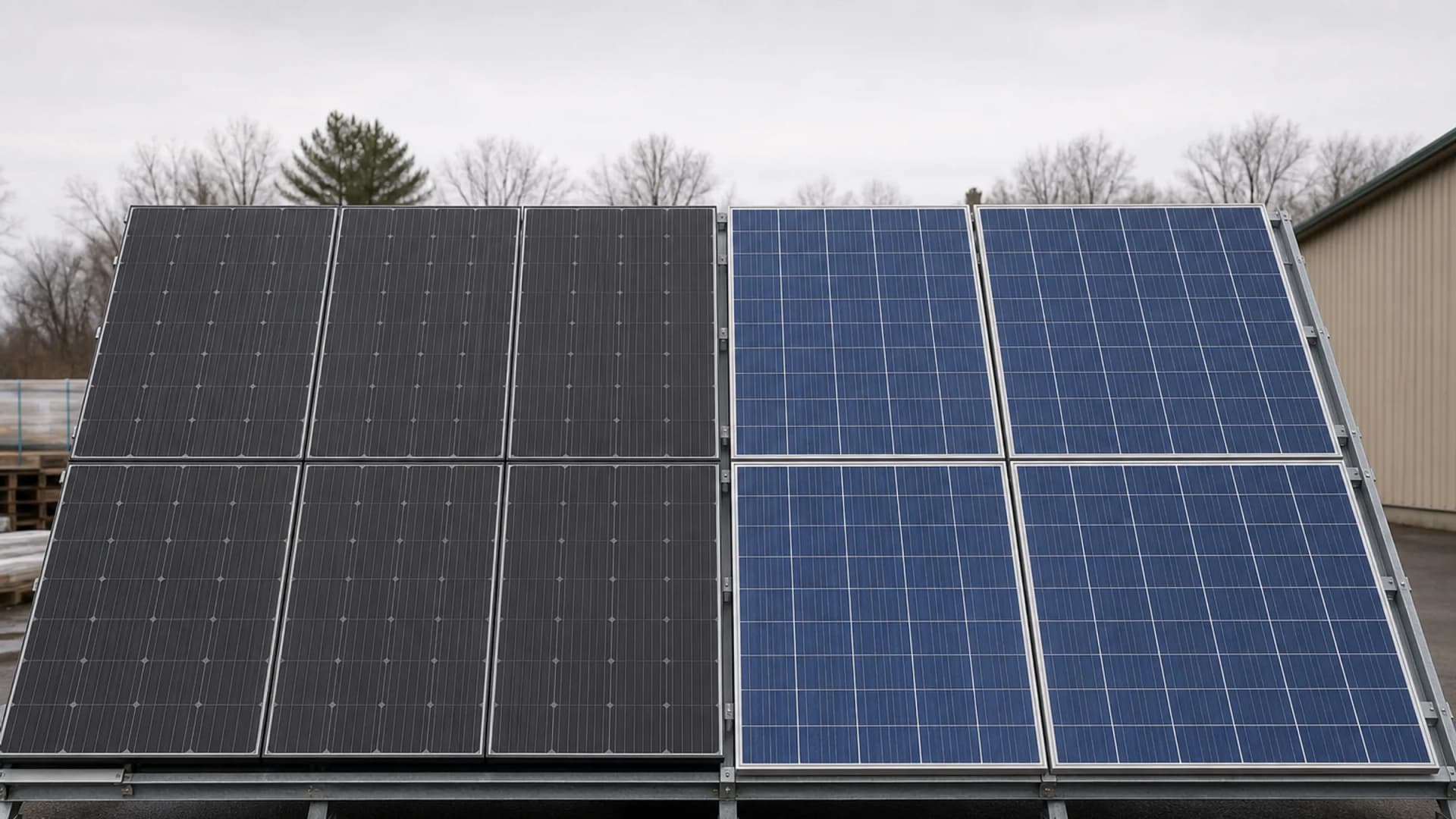
In a glass-foil panel the solar cells sit behind glass with a plastic foil as the back; in glass-glass they sit between two glass sheets. Glass-glass protects the cells better and typically comes with longer warranties, but is heavier and somewhat pricier per unit. For most roofs, both are a fine choice.
Introduction
 Solar panels
Anyone comparing quotes soon runs into the terms glass-glass and glass-foil. Manufacturers of glass-glass like to present their build as the future, but it is not that black and white. Below we put the two builds side by side honestly: what the difference means technically, what it does to lifespan, weight and price, and when each version makes sense. The cell type itself is a separate choice, covered in monocrystalline vs polycrystalline.
The options side by side
Glass-glass
Pros
- Cells better protected against moisture and stress
- Typically longer (power) warranties
- Often available as bifacial
Cons
- More kilos on the roof
- Higher purchase price
- Bifacial gain on home roofs is limited
Glass-foil
Pros
- Lighter and easier to mount
- Cheaper to buy
- Proven on millions of roofs
Cons
- Foil back is more prone to ageing
- Warranties typically shorter
- Degradation typically runs slightly faster
Where does the build actually differ?
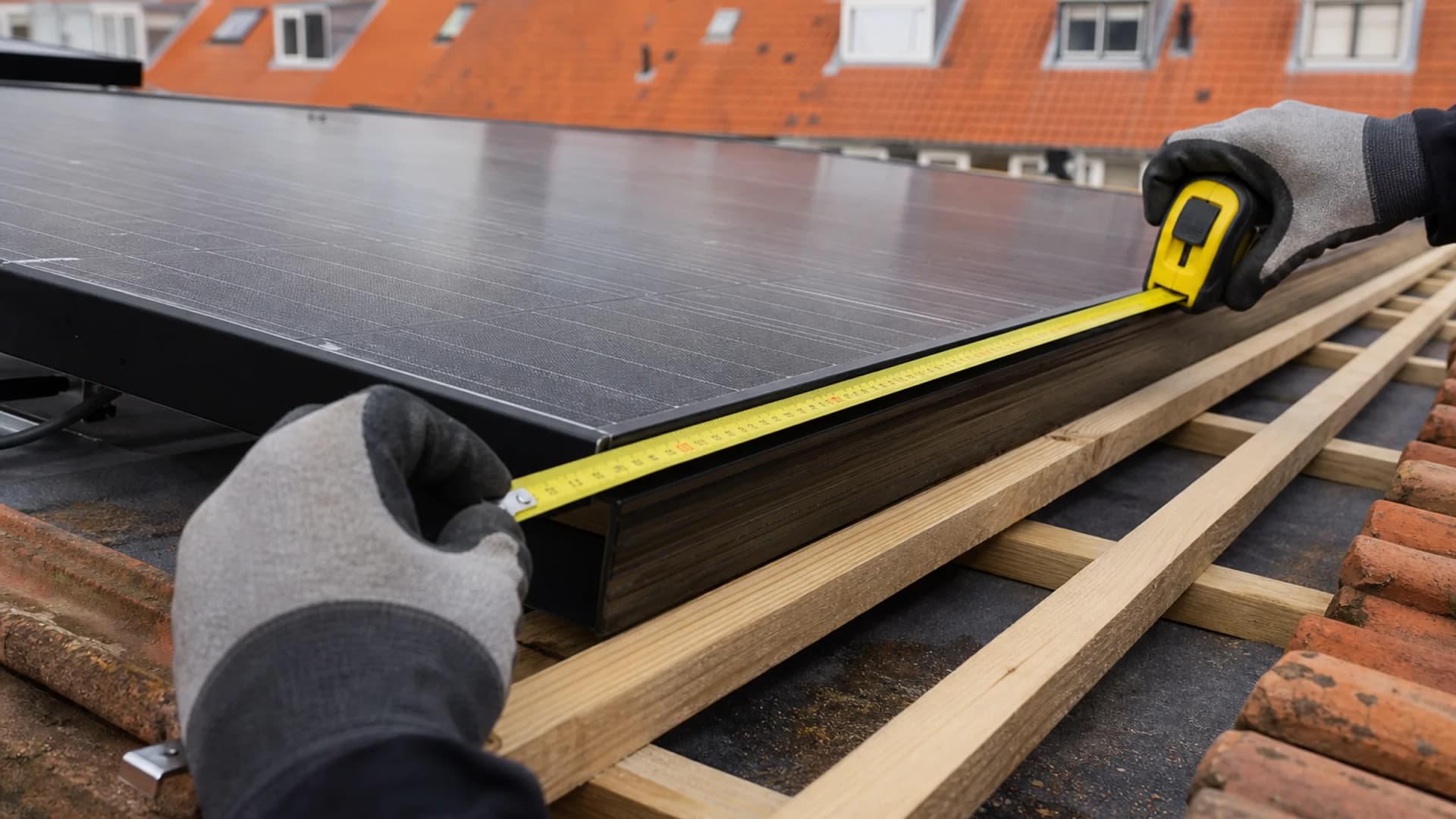
A solar panel is a sandwich. The solar cells sit packed between protective layers, always with tempered glass at the front. The difference is at the back: glass-foil closes off with a plastic foil layer, glass-glass with a second glass sheet. The cells are then fully enclosed between glass.
That back sheet looks like a detail, but it determines how well the cells are protected. Glass lets no moisture through and barely moves with temperature swings. Plastic foil is more flexible and can age over the years under the influence of moisture, heat and UV light. That is why the build shows up in the warranty terms manufacturers are willing to offer.
Lifespan and warranty: what does practice say?
Solar panels lose a little output every year, which is called degradation. In glass-glass that process typically runs a bit slower, because the cells are better shielded from moisture and mechanical stress. Manufacturers translate that into their warranties: on glass-glass you regularly see thirty years of product warranty and a power warranty of roughly 85 to 90 percent after thirty years, where glass-foil typically lands at 25 years and around 80 to 85 percent.
More important than the brochure headline is the small print: what residual output is guaranteed, after how many years, and what you need to do to make a claim. Good glass-foil with a strong warranty can be a better buy than a mediocre glass-glass model with a glossy leaflet. So compare per model, not per category.
And keep it in perspective: glass-foil also typically lasts 25 years or more. How much power you generate over those years mostly depends on your roof and the inverter; that calculation lives in yield of solar panels.
Weight and mounting: where the difference gets concrete
Two glass sheets weigh more than one. Glass-glass therefore sits at the top of the common 20 to 25 kilo range per unit; the glass-foil equivalent is easily a few kilos lighter. On a sturdy tiled roof that makes no difference. All sizes and weights are lined up in solar panel sizes and weight.
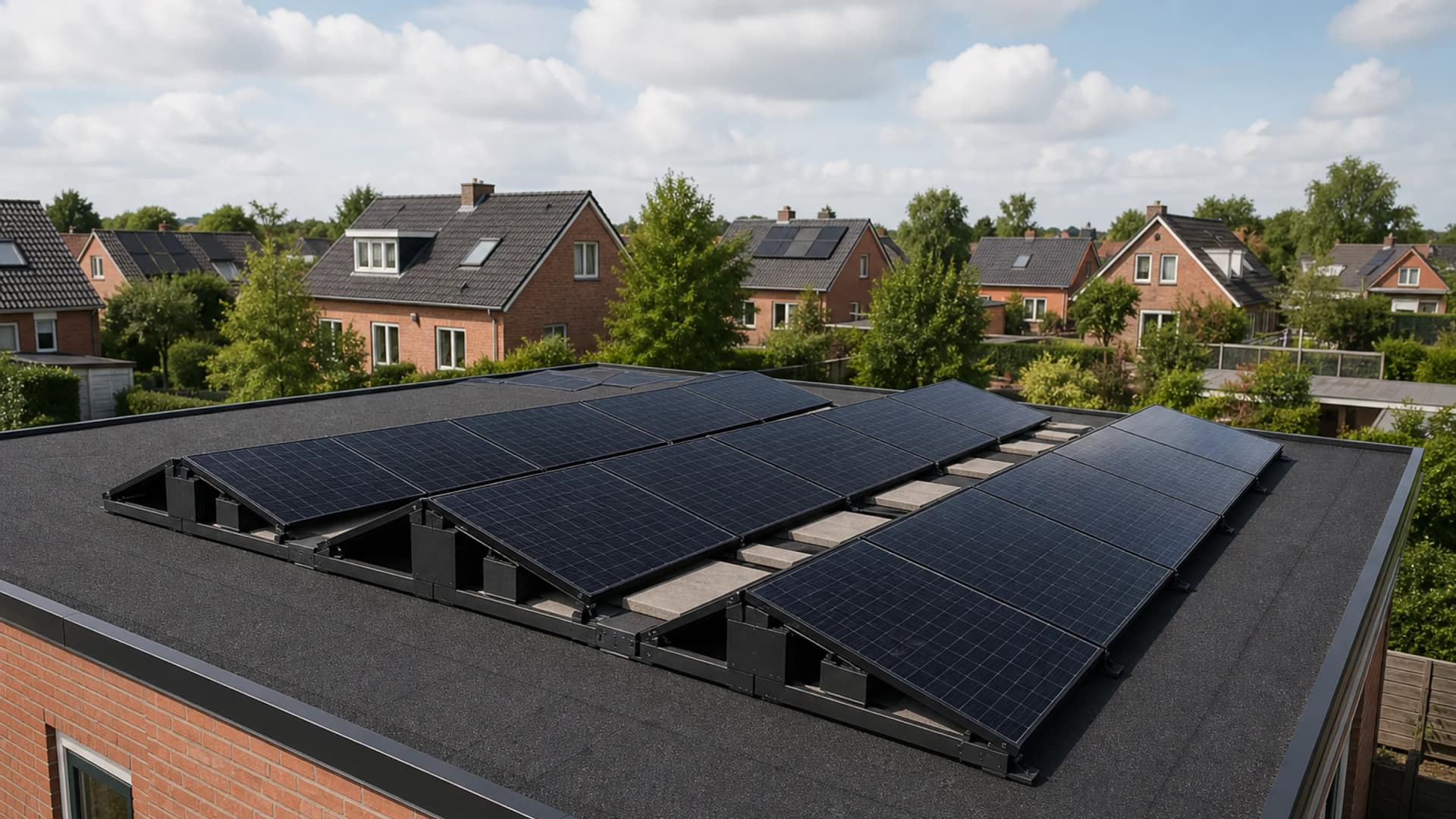
On a flat roof the difference does weigh in, literally: frames and ballast come on top of the panel weight there, and on light timber roofs of extensions and garages every kilo can count. In such cases the lighter glass-foil version can be the difference between installing with or without structural changes. How that ballast calculation works is covered in solar panels on a flat roof.
Bifacial: do not count your winnings early
Many glass-glass models come as bifacial: the cells can also capture light entering through the back. That sounds like free extra yield, but the back only captures anything when light can reflect onto it, for example on a flat roof with light-coloured roofing and frames that leave space under the installation.
On a pitched home roof, everything sits just above dark tiles. There is hardly anything to gain through the back there, and bifaciality is mostly a specification on paper. So do not let a premium for it tip the scales; choose on warranty, weight and price per watt-peak.
Which do you pick when?
If you want maximum long-term certainty and the budget allows, glass-glass is the logical choice: better protected cells and warranties that reach further. If price comes first, or every kilo counts because of a flat or timber roof, good glass-foil is still a sensible buy.
To be fair: just like the cell type, the build is rarely the factor that determines your return. Orientation, shading and a matching inverter weigh more. Which version ends up in your quote depends on the brand and model that fits your roof; the warranty terms are always listed. What else to look for is covered in buying solar panels. Want to know what fits your roof? Request a no-obligation quote.
Verdict
Glass-glass protects the cells better and comes with longer warranties, but is heavier and pricier per unit. Glass-foil is lighter, cheaper and amply proven. For most pitched roofs both are fine; on light and flat roofs the weight can tip the scales. Compare the power warranty per model instead of blindly picking a category, and let orientation, shading and the inverter weigh more than the back sheet.
Solar panels are still a smart investment in 2026. A few things matter if you want the most from your own power.
Your energy use
Planning to drive, cook or heat electrically? Factor that into how many panels you install now.
Spread the yield
Spread panels across roof faces so you generate through the day and use more of your own energy.
Your data
Choose a system with its own 4G connection and data storage in Europe so your information stays secure.
Boost your energy
A smart home battery stores today's power for later, so you use more of your own electricity after sunset.

We install your solar panels in a day
We can often start within three weeks. A day later your panels are on the roof and everything is connected. We leave your home clean and make sure you know exactly how it all works.
- Use more of your own power during the day
- 0% VAT makes the investment even more attractive
Frequently asked questions
No. Glass-glass protects the cells better and typically gets longer warranties, but good glass-foil with strong warranty terms can be a better buy than a mediocre glass-glass model. Compare per model, not per category.
Count on a few kilos per unit. Glass-glass sits at the top of the common 20 to 25 kilo range; glass-foil below it. On a normal tiled roof you will not notice, on light timber roofs and ballasted flat roofs it counts.
No. Glass-foil has covered millions of roofs for decades and typically lasts 25 years or more. The foil back does age somewhat faster than glass, which translates into slightly quicker degradation and shorter warranty terms.
On a pitched home roof usually not: the panel sits just above dark roof tiles, so hardly any light reaches the back. On a flat roof with light-coloured roofing and open frames, bifaciality can add something extra.
Two kinds: the product warranty (defects in the panel itself) and the power warranty (what percentage of original output is guaranteed after a number of years). Look at the term and the guaranteed residual output, plus the conditions for making a claim.

Discover what smart energy can do for you
In about an hour you get insight into your savings, the options for your home and when the investment pays back. Straightforward, honest advice so you know exactly where you stand.
Smart energy at home
- Upgrade your home with our smart battery
- Our solar panels deliver up to 25% more energy
- A heat pump to minimise your energy use
- Charge your electric car easily at home with an EV charger
Booking an advice call is easy
Fill in your details below. Within a day we will contact you to schedule a no-obligation advice call together.
Related articles