Solar self-consumption: use more of your own power
6 min read below · SolarFast knowledge base
Self-consumption is the share of your solar power you use yourself. How to raise it with panels, a battery and smart use, without going off-grid.
Becoming energy independent means raising self-consumption: generating, storing and using as much of your own power as possible. The route runs through solar panels, optionally a home battery and smart use. Your home stays connected to the grid as a backup.
What is energy independence?
Energy independence in practice means self-consumption: covering a larger share of your power use with what you generate yourself, instead of buying everything from your supplier. The grid stays connected as a backup for dark hours, peak use or when your panels deliver too little for a while.
Being fully self-sufficient, off-grid all year, is not forbidden by law, but it is hardly ever practical for a normal home: you would have to heavily oversize generation and storage to bridge dark winter weeks. The goal is therefore to rely less on purchases and price swings by using more of your own power. Which steps help most depends on your use, your roof and your tariff.
Why start with solar panels?
With solar panels you generate your own power during the day. What you use at that moment, you do not have to buy. What you do not use directly goes back to the grid. Until 31 December 2026 your supplier settles that via net metering on your annual statement; the scheme then ends on 1 January 2027. Read more in our piece on net metering, on the ACM explanation of net metering and on the Dutch government site (Dutch).
You estimate annual yield via solar panel yield and return. Sizing is based on your annual use and roof, not a standard panel count. At SolarFast we start with your annual statement and a roof survey so the kWp rating fits what you need.
When does a home battery pay off?
A home battery keeps your solar surplus for the evening, when your panels deliver nothing. That way you use a larger share of your own generation instead of feeding back at a lower payment. This matters more after 1 January 2027, when net metering ends.
Whether a battery pays off depends on your evening use, tariff and installation. We size to your profile and check fuse box and inverter. We often work with expandable Dyness modules. Read when storage pays off on home battery costs and return, or compare with versus without on with vs without home battery.
How do you increase self-consumption?
After panels and optional storage comes smart use: running appliances when the sun shines, charging your car on your own power, or shifting use to cheaper hours with a dynamic energy contract through our partner Frank Energie. That raises self-consumption and makes you less sensitive to price swings.
How to steer energy at home yourself is explained on smart home energy control. Grid control is different: your supplier steers your charger or battery to lower grid peaks. You can combine smart use and grid control if your equipment supports it.
How much of your solar power do you use directly?
Suppose you use 2,000 kWh in a year and your panels generate 3,000 kWh. Of that you use 1,000 kWh directly while the sun shines. You then draw 1,000 kWh from the grid (2,000 minus 1,000) and feed back 2,000 kWh (3,000 minus 1,000). This example follows the principle from the ACM net metering explanation, without euros: it is about the split between direct use and feed-in.
Example year; your actual split depends on use, generation and season.
Without a battery you use most of your own power during the day; in the evening you buy again. The split below is illustrative for a day without storage.
Not your meter data. With a battery the evening point shifts up.
What is realistic (and what is not)
Your home stays connected to the grid; disconnecting is not a realistic goal. What is achievable: using an increasing share of your own generation through panels, a home battery and smart use. The grid fills in on dark days and at peak demand.
Sometimes panels are enough. Sometimes a battery only pays off when your use, tariff or the end of net metering in 2027 justifies it. We look together at which steps give you the most, without having to do everything at once.
Your route with SolarFast
We start with your annual statement and a roof survey. That shows how much you generate, what you can use directly and whether a battery or smart control is the next logical step. At SolarFast our fitters usually install within three weeks after you agree.
Read more on our solar panels page. Request a quote and we calculate what step 1 gives you on your roof.
Related articles
Solar panel annual yield: kWh and benefits
Annual solar panel yield: count on 0.85 to 0.9 kWh per watt-peak. How to calculate it, what it saves on your bill, and the financial benefits.
Net metering explained
Net metering for solar panels: what it is, the cap, feed-in payment and feed-in charges. How your supplier settles power fed back to the grid.
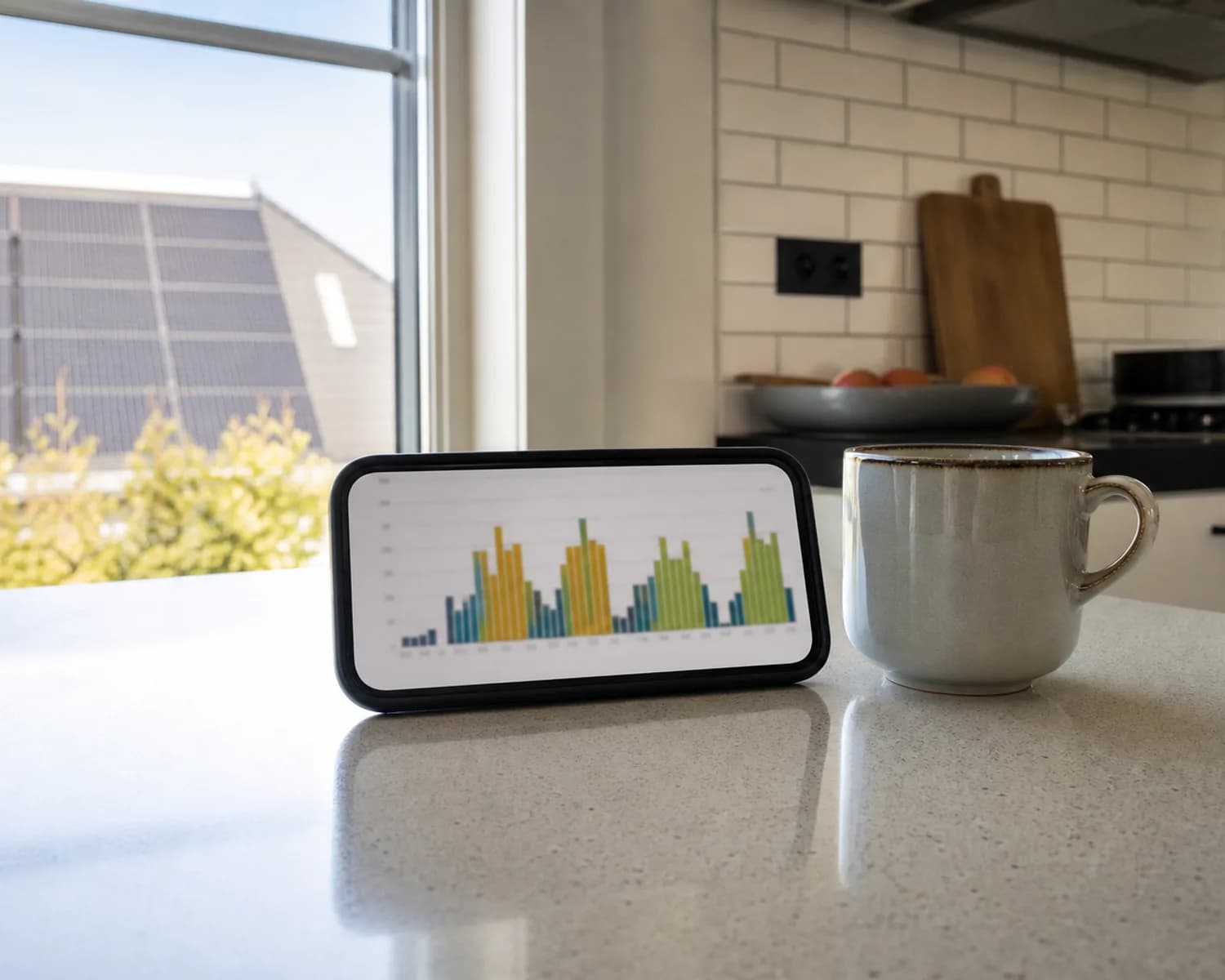
What is a dynamic energy contract?
With a dynamic energy contract you pay the hourly price for power. When does it pay off with solar panels or a home battery, and how does it compare to fixed?
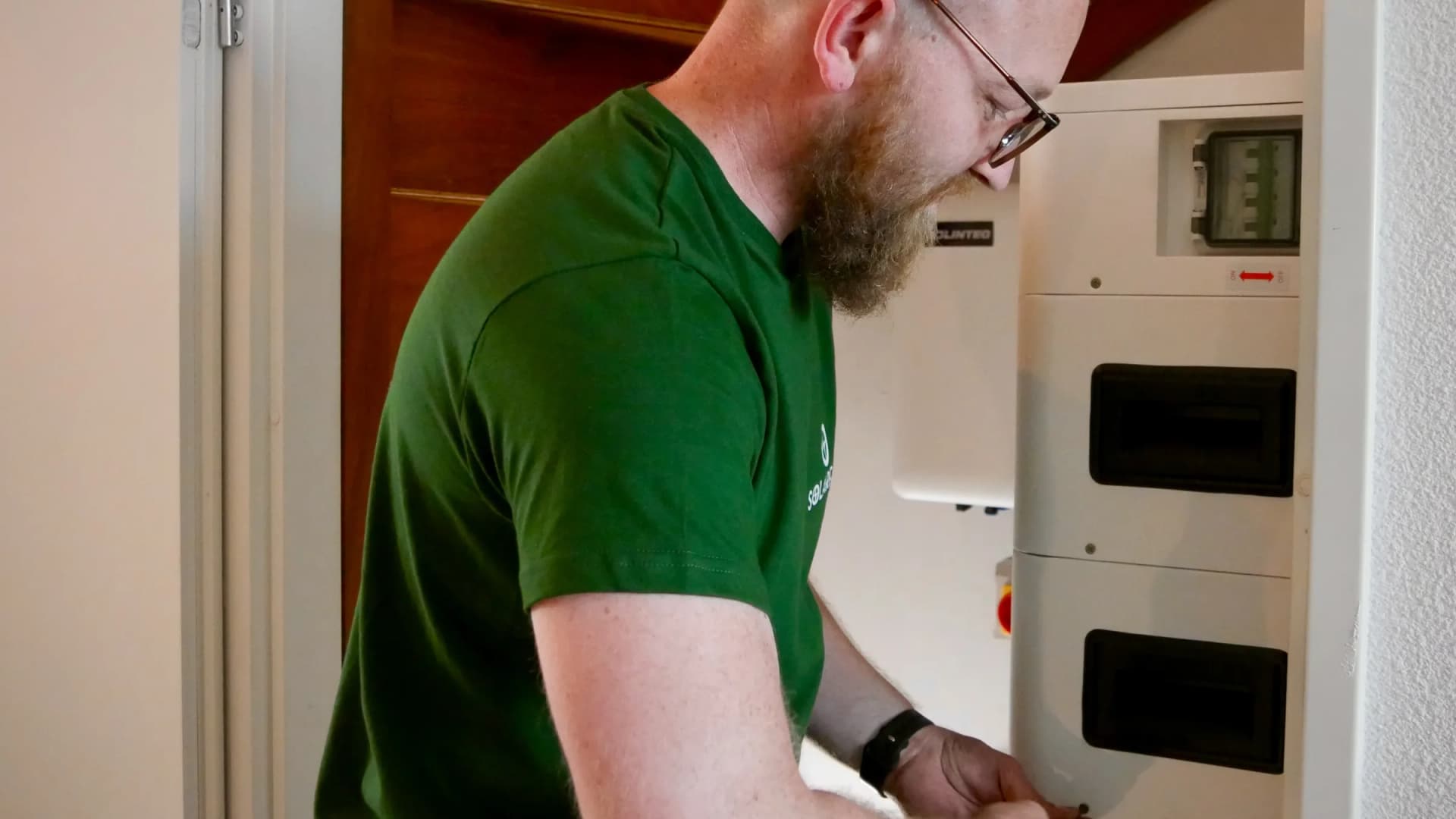
What does a home battery cost and when does it pay off?
What does a home battery cost and when does it pay back?
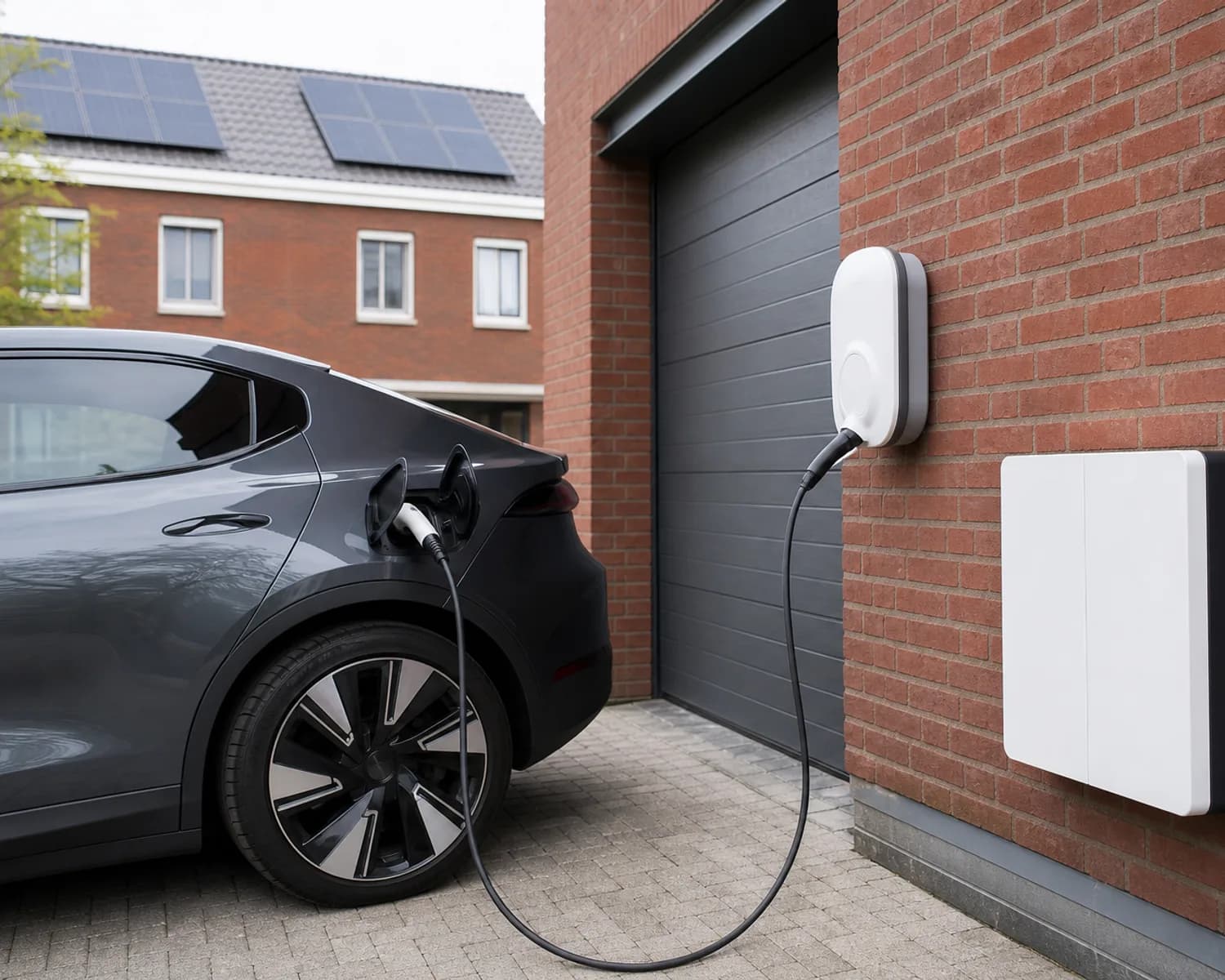
Smart grid control
Grid control and net-aware charging: how your supplier steers your charger, home battery or heat pump, what you notice and whether you get paid.
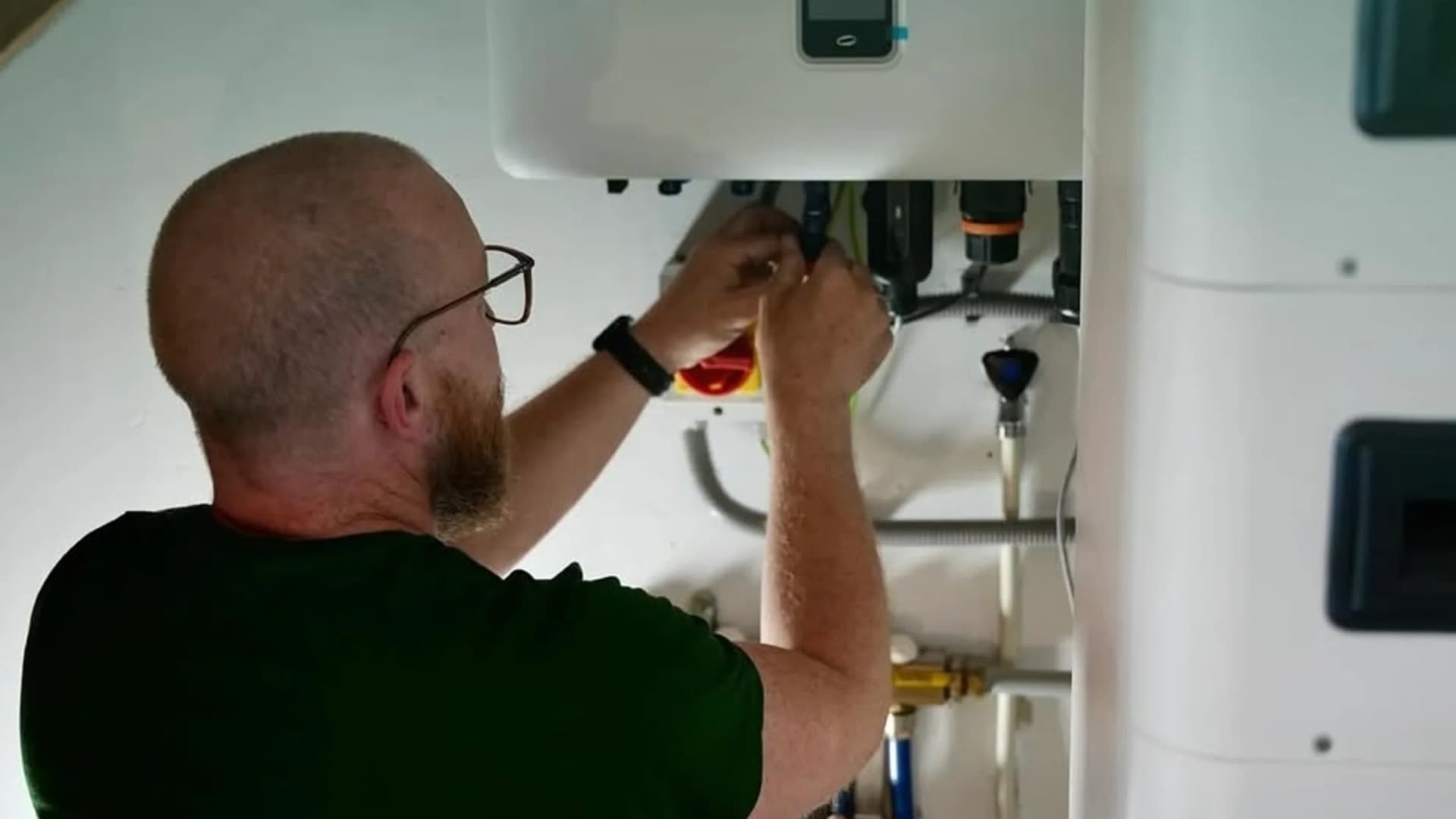
Smart home energy control: increase self-use
Use more of your own power by timing your charger, home battery and household use. When self-steering pays off and how grid control differs.
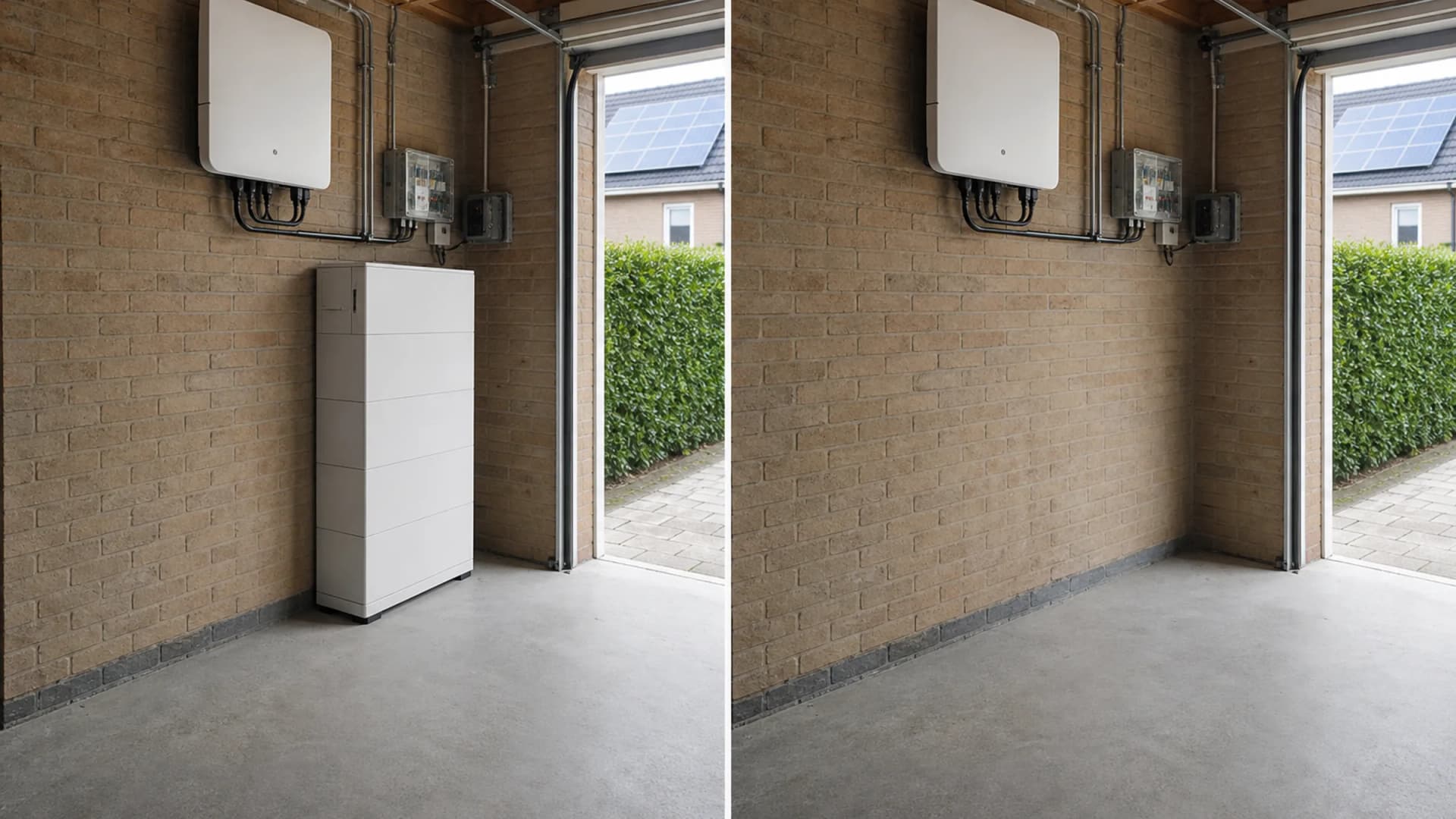
With or without a home battery: net metering or storage?
Home battery or net metering? With a worked example before and after 1 January 2027, the role of feed-in charges and how SolarFast works with Dyness batteries.
Frequently asked questions
How do I raise self-consumption from solar panels?
Use as much power as you can while your panels generate during the day, store surplus in a home battery and shift use with smart control or a dynamic contract. Read how that works on smart home energy control.
Do I have to stay connected to the grid?
It is not mandatory, but for a normal home disconnecting is hardly ever practical. The grid fills in when your panels deliver too little. Becoming energy independent is about using more of your own power, not going fully off-grid.
What is the first step?
Solar panels. They let you generate your own power. A home battery and smart use build on that. Request a quote and we calculate what step 1 gives you on your roof.
Does a battery help me become more independent?
Yes. In the evening you use your own stored energy instead of buying it. That makes you less dependent, especially after 1 January 2027 when net metering ends. On our comparison page we put with versus without home battery side by side.
In what order should I tackle it?
Panels first, then optionally a battery, then smart use or a dynamic contract. Read more on smart home energy control; grid control is a separate programme through your supplier.
What changes when net metering ends?
After 2027 feed-in becomes less attractive; direct use and storage matter more. Net metering ends on 1 January 2027. Read our net metering piece, the ACM explanation or the Dutch government site (Dutch) for rules and examples.
We apply this every day
The same knowledge you're reading here, we put to work for households across the Netherlands.